
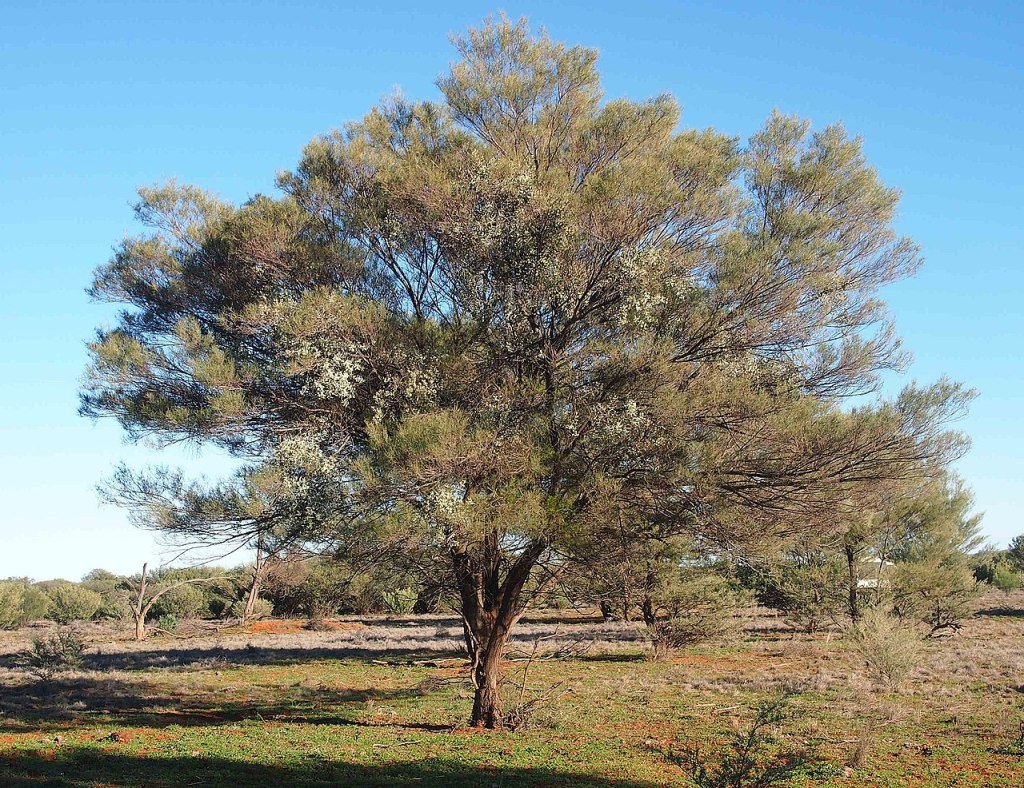
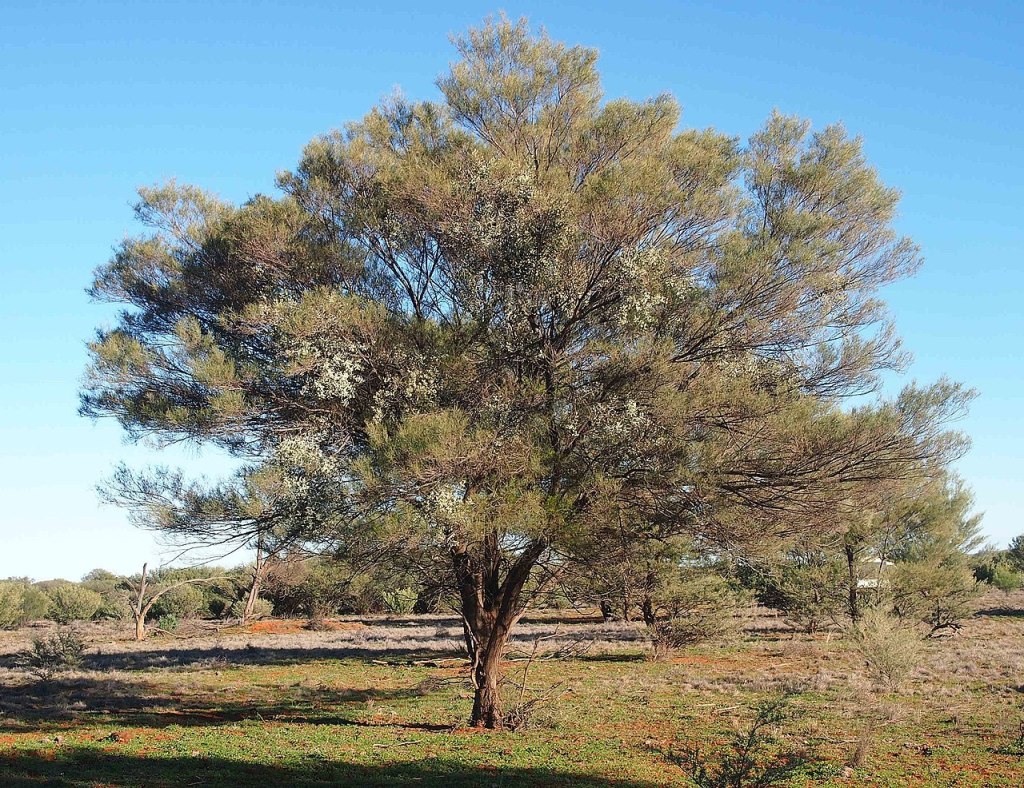
Acacia aneura, commonly known as the Mulga tree, is an iconic Australian plant renowned for its hardiness and cultural significance. With a distinctive appearance and a reputation for resilience, it’s an intriguing choice for gardeners seeking to introduce an exotic yet robust tree to their landscape.
Botanical Description
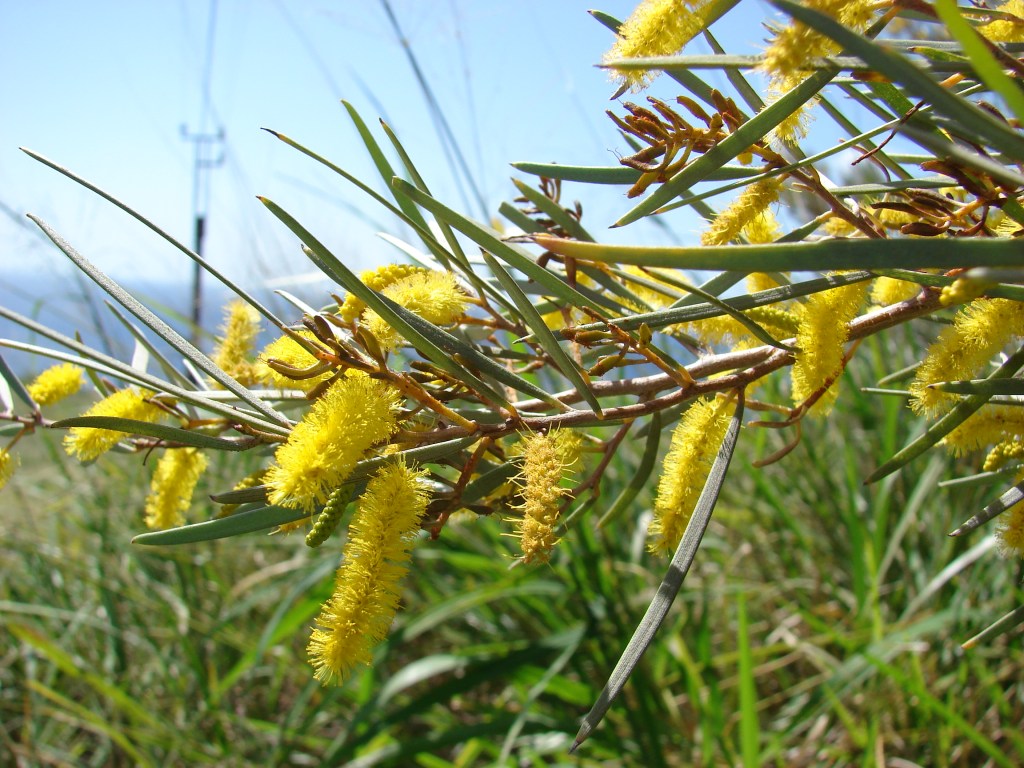
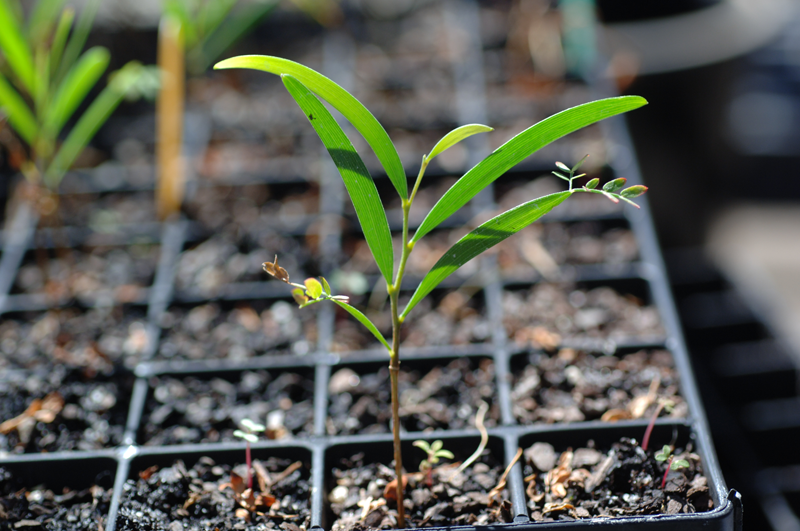
The mulga tree is a small to medium-sized tree, often reaching heights between 15-30 feet. Its leaves are unique, being long, narrow, and phyllode-like, a characteristic adaptation to dry conditions. Its bark is rough and dark gray, peeling in small longitudinal strips. The tree produces yellow spherical flowers in clusters, followed by curled or twisted seed pods.

USDA Climate Zone
Acacia aneura thrives in USDA zones 8-11, preferring arid and semi-arid climates akin to its native Australian desert environment. This makes it a perfect tree for growing in the low and intermediate deserts of Arizona and southern Nevada as well as inland Southern California.
Historical and Cultural Significance
The mulga tree holds deep cultural significance for Indigenous Australians. Its wood is used for tool-making, while the seeds serve as a food source when ground into a flour. The tree’s gum has traditional medicinal uses, and the leaves play a role in various cultural ceremonies.
Planting and Care
Mulga trees prefer well-drained soil and full sun. Given their desert origins, they’re drought-tolerant once established. However, they’ll benefit from occasional deep watering during extremely dry periods. They’re adaptable to various soil types but thrive best in slightly acidic to neutral pH.
Propagation
Propagation is usually done through seeds. Pre-treat seeds with boiling water or scarify them to encourage germination. Once treated, plant in a well-draining mix and maintain a steady warmth. Cuttings are less commonly used but can also be successful with the right care.
Pests and Diseases
Mulga trees are relatively pest-resistant. However, they can occasionally be affected by borers or root rot if planted in poorly-draining soil. Ensure proper soil conditions and monitor regularly for any signs of infestation.
Pruning and Maintenance
While the Mulga tree requires little pruning, it can be beneficial to shape the tree and remove any dead or damaged branches. This will ensure a healthier and more aesthetically pleasing tree.
Landscape Use
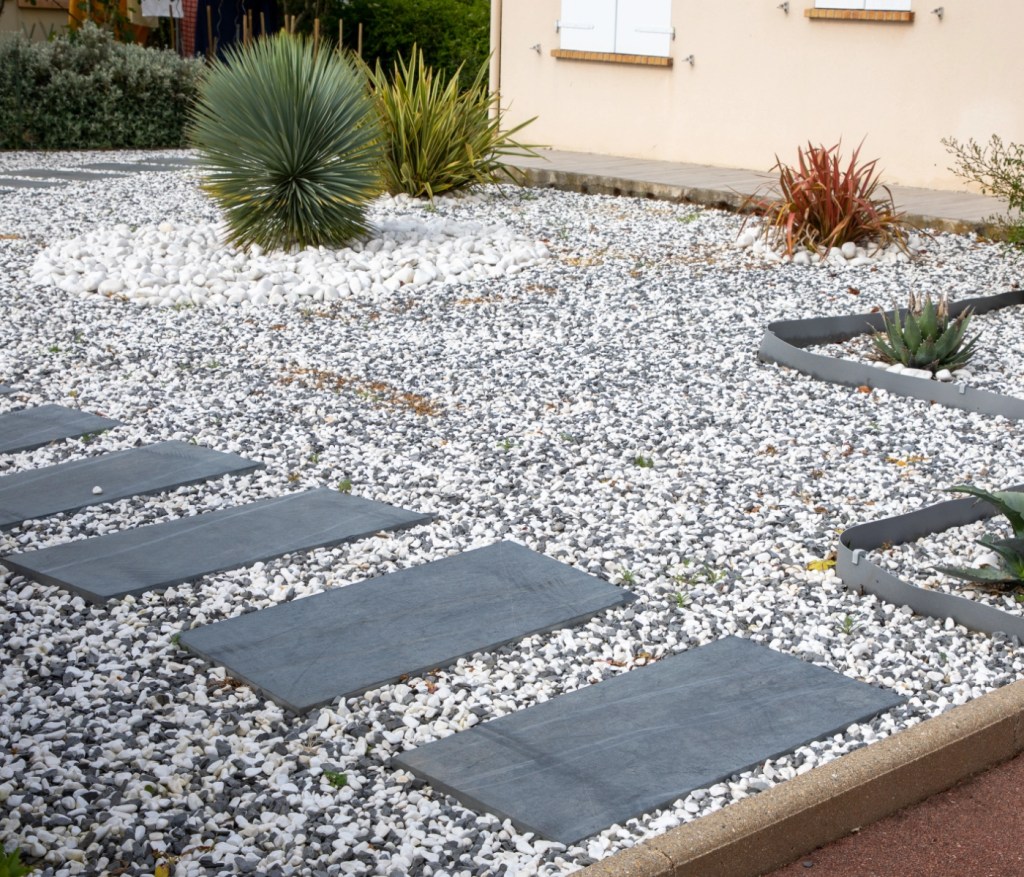
Given its unique appearance and hardiness, the Mulga tree can serve as a focal point in xeriscapes or drought-resistant gardens. It also works well as a windbreak or screen, given its dense foliage.
Potential Concerns for Pets and Children
The seed pods of the Mulga can be a choking hazard for small children. Additionally, while not highly toxic, ingestion of large quantities of leaves or seeds can be harmful. Always supervise children and pets around the tree.
Benefits for Gardeners and Homeowners
Mulga trees are a low-maintenance addition, perfect for gardeners seeking drought-resistant plants. Its unique appearance, coupled with its hardiness, makes it a standout choice for sustainable landscaping.
User Tips and Experiences
Many gardeners praise the Mulga for its resilience, noting minimal care needs once established. Some suggest utilizing its dense growth as a natural privacy barrier.
Final Thoughts
The mulga tree, with its rich history and undeniable hardiness, offers a unique blend of beauty and resilience. Whether you’re seeking a sustainable landscaping option or a tree with cultural depth, Acacia aneura stands out as a prime choice.
Resources and References
“Australian Native Plants: Acacia aneura.” Australian National Botanic Gardens.
Jones, D., & Elliot, R. (2006). “The Encyclopaedia of Australian Plants.” Lothian Press.
Wrigley, J. & Fagg, M. (2003). “Australian Native Plants: Cultivation and Uses in the Health and Food Industries.” Timber Press.

 Desert Gardener
Leave a comment