Agave Species – Century Plant
Agave species stand as architectural marvels in desert gardens, sculpting a bold and striking presence with their distinctive rosette forms and sharp-edged leaves that add a touch of sculptural elegance to arid landscapes.

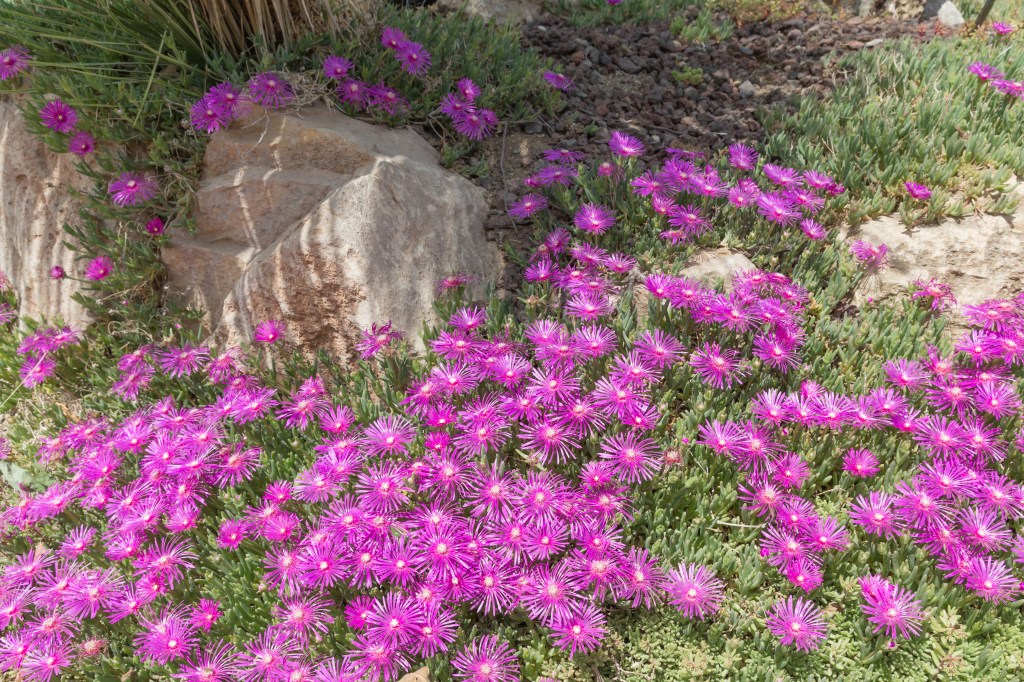
Iceplant
Iceplant, with its vibrant and brilliantly colored flowers, serves as a captivating groundcover that not only adds a burst of color to arid landscapes but also provides effective erosion control and a delightful visual tapestry.
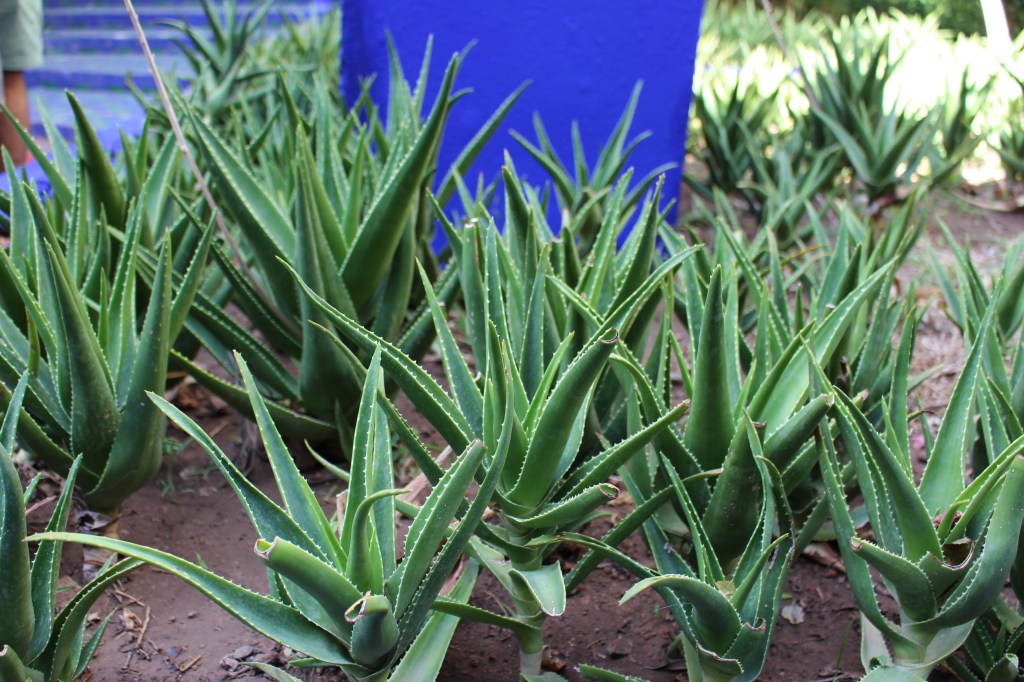
Aloe
Aloes, cherished as garden plants, offer a diverse array of forms, from striking rosettes to towering spikes, adding both structural intrigue and vibrant hues to the landscape, while their resilience and unique beauty make them a valuable addition to arid gardens.
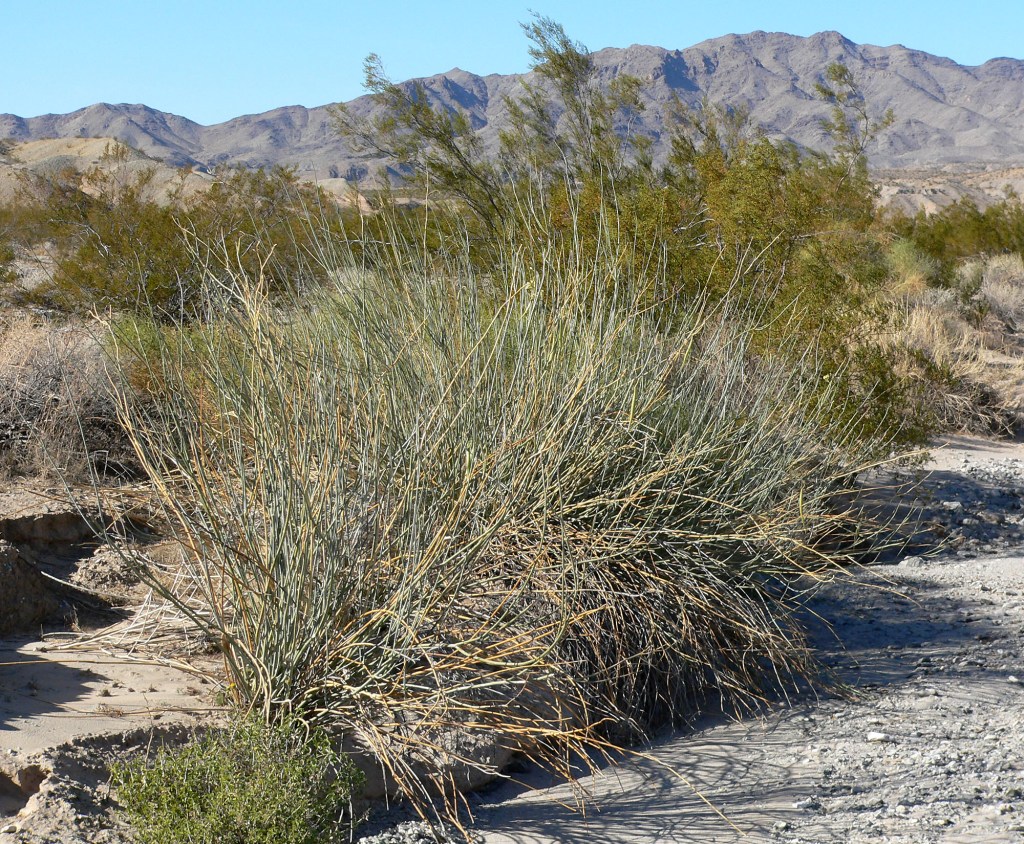
Asclepias subulata —Desert Milkweed
Asclepias subulata, commonly known as Desert Milkweed, graces the arid landscape with its slender gray-green stems and clusters of pale pink flowers, serving as a vital host plant for monarch butterflies and contributing to the conservation of these iconic pollinators.
Bulbine frutescens — Bulbine
Bulbine frutescens boasts succulent-like foliage and cheerful spikes of star-shaped yellow or orange flowers, creating a charming and water-wise presence in the landscape.

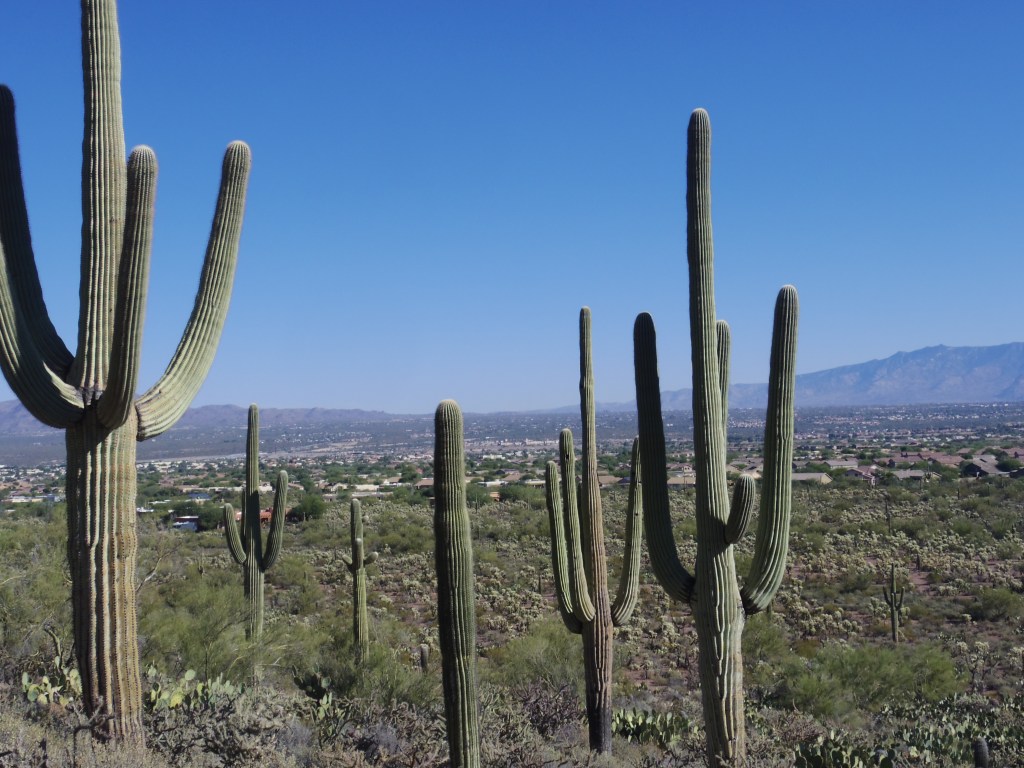
Carnegiea gigantea — Saguaro
Carnegiea gigantea, the Saguaro cactus, is endemic to the Sonoran Desert, exemplifying its unique adaptation to the harsh conditions of this specific arid region.
Cereus hildmannianus — Hedge Cactus
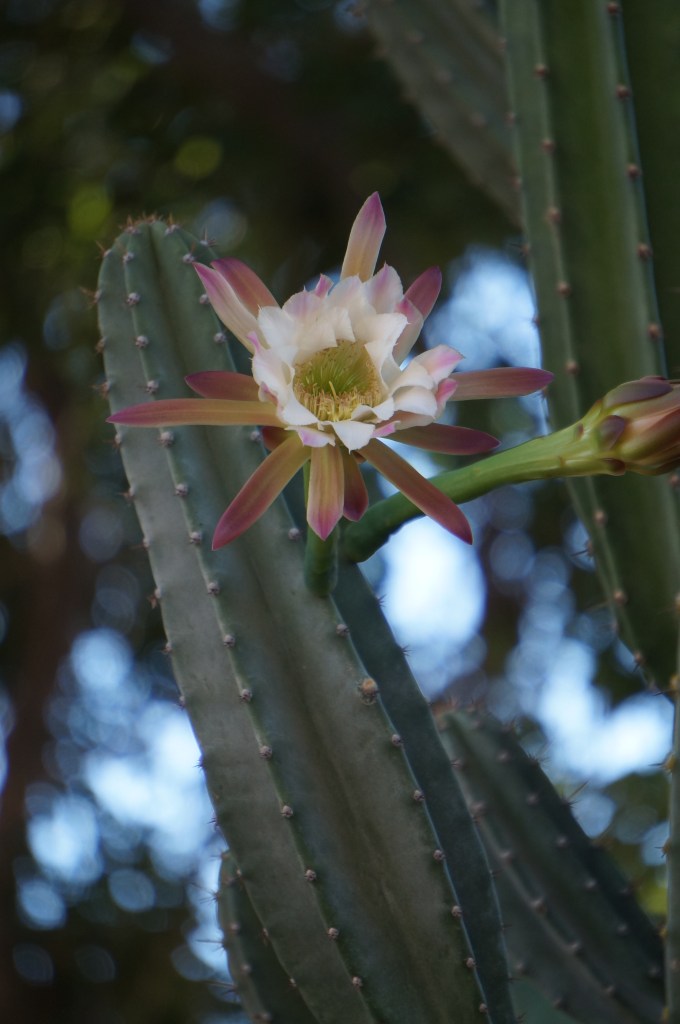
Cereus hildmannianus, also known as Hedgehog Cactus, features cylindrical stems covered in spines and adorned with striking nocturnal white or pink flowers, creating a captivating contrast of textures and colors in the desert landscape.
Cylindropuntia acanthocarpa — Buckhorn Cholla
Cylindropuntia acanthocarpa, known as Buckhorn Cholla, captivates with its branching cylindrical stems adorned in clusters of spines and vibrant yellow or greenish flowers, adding a distinctive and visually intriguing element to the desert landscape.
Cylindropuntia bigelovii — Teddybear Cholla
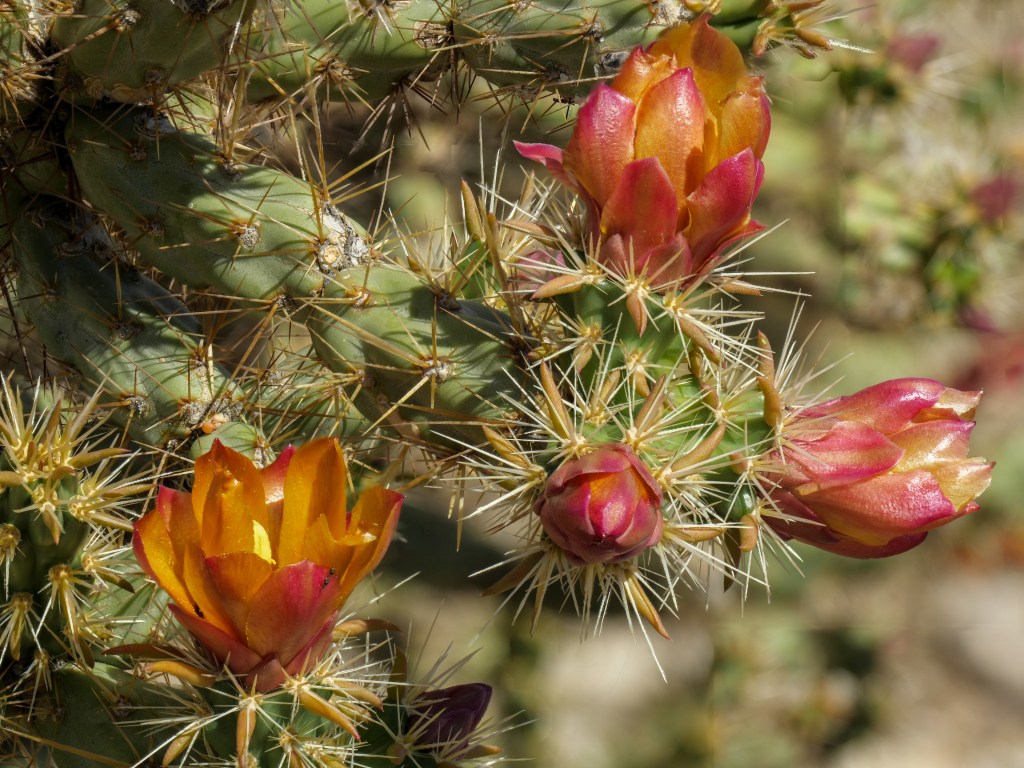
Cylindropuntia bigelovii, affectionately known as Teddybear Cholla, exhibits a deceptively cuddly appearance with its dense spines, while its golden flowers create a stunning contrast, contributing a charismatic and unique presence to desert environments.

Echinocactus grusonii — Golden Barrel
Echinocactus grusonii, the Golden Barrel cactus, features its iconic globe-like form covered in golden spines, making it a captivating focal point in residential landscapes, particularly in xeriscaped gardens, arid-themed designs, or as a striking potted specimen, showcasing its sculptural beauty and drought-tolerant nature.

Echinocereus engelmannii — Engelmann’s Hedgehog Cactus
Echinocereus engelmannii, known as Engelmann’s Hedgehog Cactus, showcases its distinctive cylindrical stems adorned with spines and eye-catching magenta to pink flowers, adding a touch of elegance and color to the desert landscape.

Echinopsis candicans — Argentine Trichocereus
Echinopsis candicans, the Argentine Trichocereus, boasts columnar stems adorned with white or creamy-yellow nocturnal flowers that contrast beautifully against the desert landscape, offering a stunning display of elegance and color.
Echinopsis huascha — Argentine Hedgehog
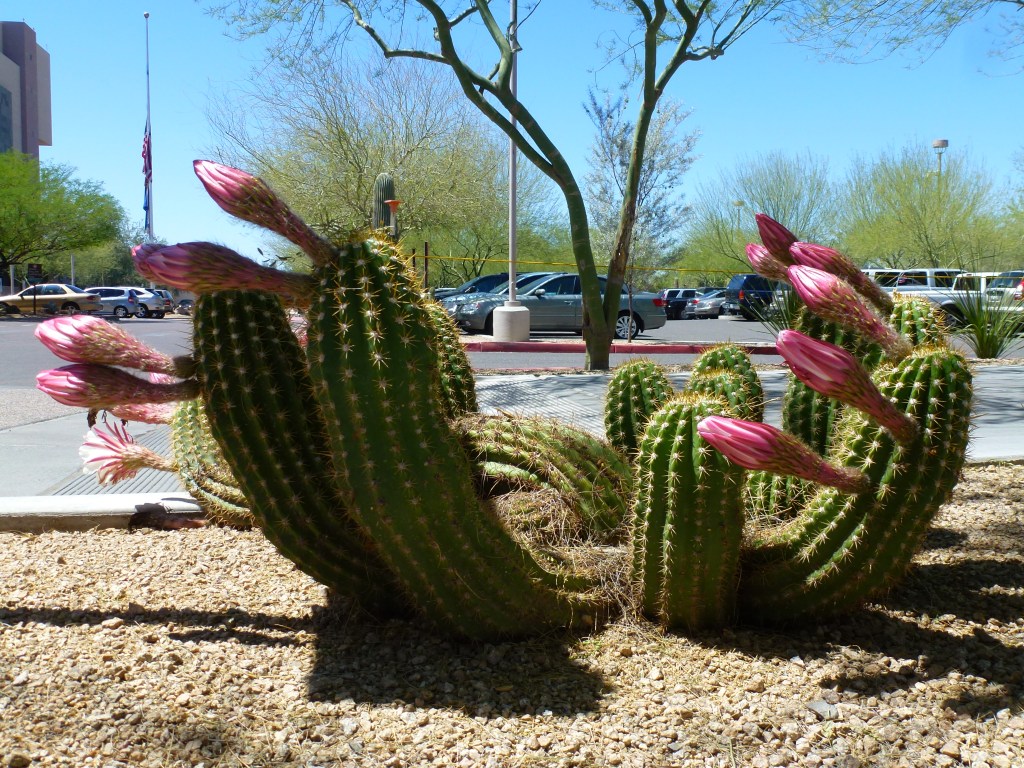
Echinopsis huascha, the Argentine Hedgehog cactus, showcases its spiny cylindrical stems crowned with vibrant red, orange, or pink flowers, making it a striking choice for Arizona residential landscapes, where it adds a burst of color and texture, particularly in xeriscaped gardens or rockeries, while requiring minimal water and maintenance.

Echinopsis terscheckii — Cardon Grande
Echinopsis terscheckii, the Cardón Grande cactus, presents a grand architectural form with its towering columnar stems reaching heights of up to 30 feet or more, creating a commanding and awe-inspiring presence in the desert landscape.

Ferocactus cylindraceus — California Barrel Cactus
Ferocactus cylindraceus, the California Barrel Cactus, features a cylindrical form with ribs and sharp, stout thorns that radiate from each rib, creating a visually striking texture and providing both aesthetic and protective qualities in the desert environment.
Ferocactus wislizeni — Candy Barrel Cactus
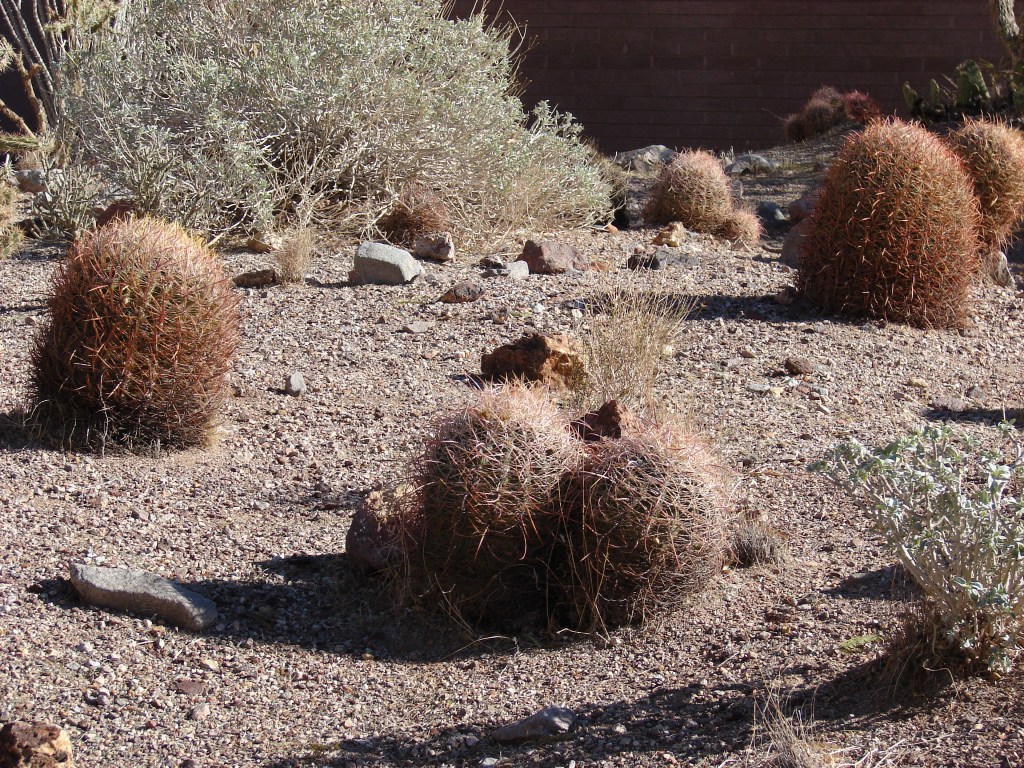
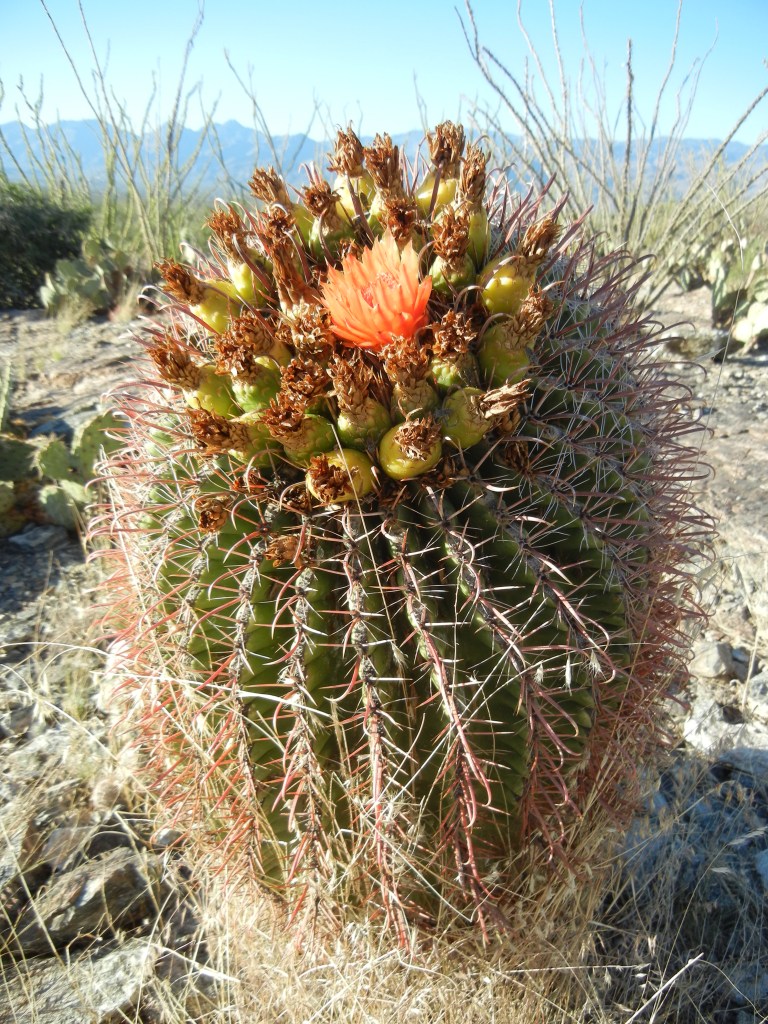
Ferocactus wislizeni, the Candy Barrel Cactus, displays a cylindrical form with distinctive ribs, often in shades of green or blue-green, and can reach heights of up to 5 feet or more, adding a bold and eye-catching presence to the desert landscape.
Lophocereus schottii — Senita Cactus
Lophocereus schottii, the Senita Cactus, boasts a unique columnar form with vertical ribs and clusters of spines, and its branching arms create captivating silhouettes that can be creatively used to cast intriguing shadows on walls, adding an artistic and dynamic element to outdoor spaces.
Lophocereus schottii f. monstrosus — Totem Pole Cactus
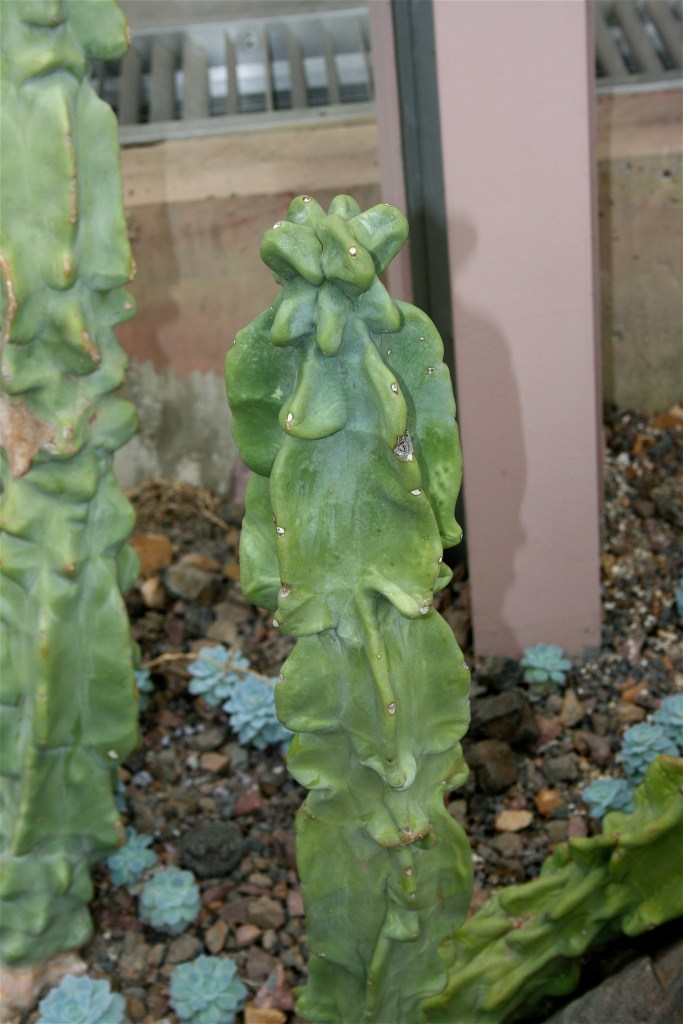
Lophocereus schottii f. monstrosus, the Totem Pole Cactus, exhibits a fascinating and distinctive form characterized by its lack of spines and its columnar, ribbed structure that can grow to impressive heights, creating a visually captivating and sculptural presence in the desert landscape.
Marginatocereus marginatus — Mexican Fencepost
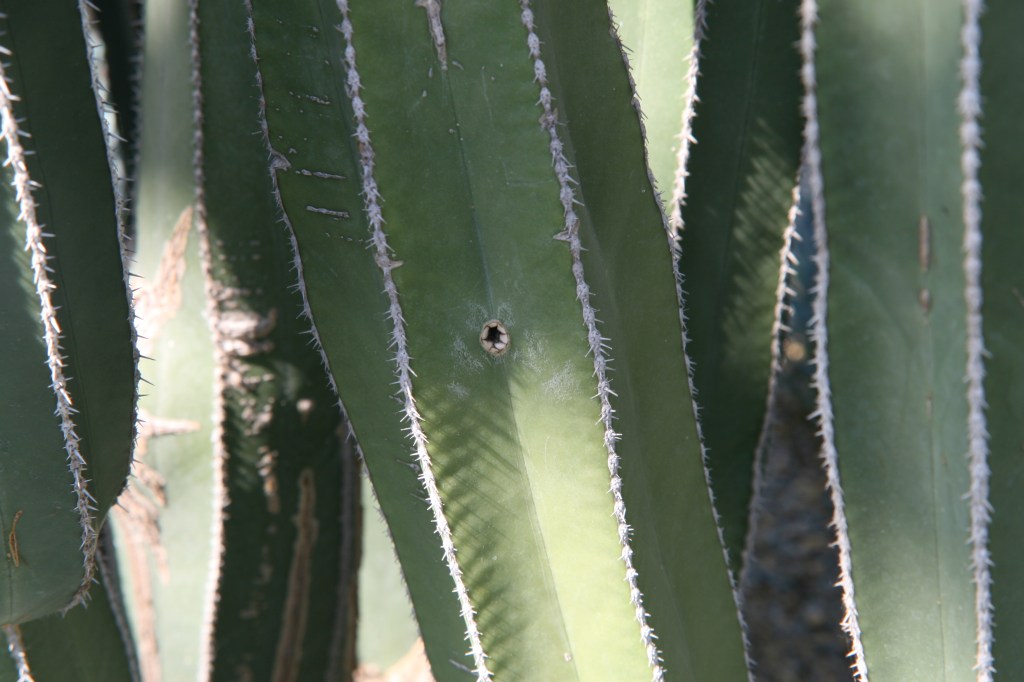
Marginatocereus marginatus, also known as Mexican Fencepost Cactus, showcases tall and erect columns with prominent ribs and distinctive horizontal ridges, often displaying a blue-gray hue, and can reach heights of up to 15 feet, making it a striking focal point in the landscape, ideal for planting in rows or as a standalone specimen to create unique visual interest and architectural allure.
Myrtillocactus geometrizans — Blue Myrtle Cactus
Myrtillocactus geometrizans, the Blue Myrtle Cactus, stands out with its distinctive blue-green hue and columnar form characterized by ridged segments, creating a visually captivating contrast against the desert landscape, while its unique appearance and drought tolerance make it an alluring choice for xeriscaped gardens and arid-themed designs.
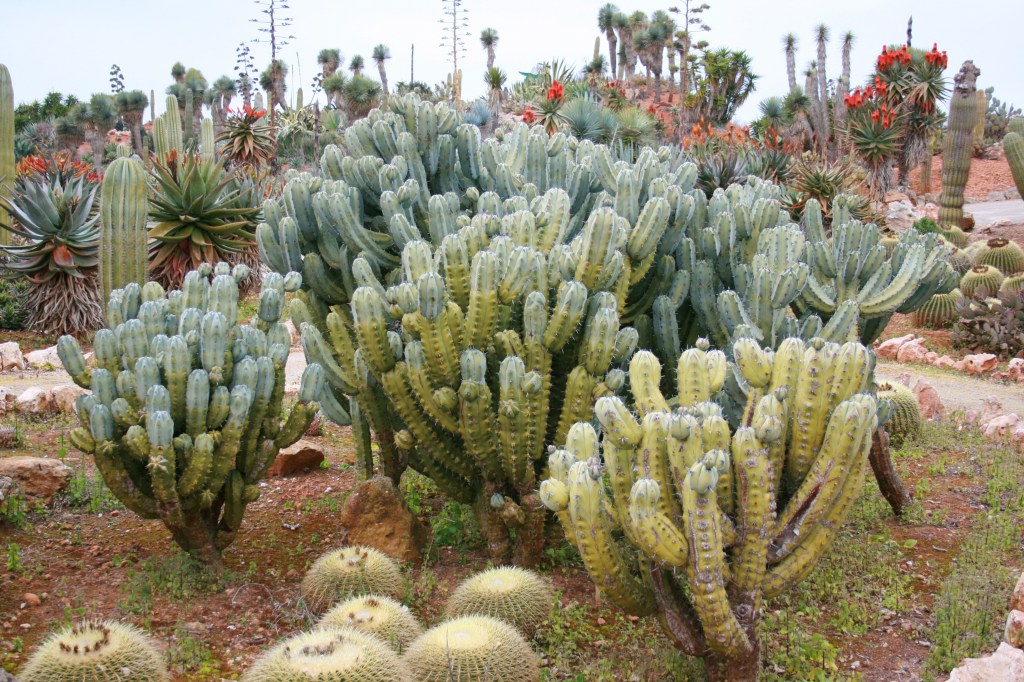
Opuntia basilaris — Beavertail Prickly Pear
Opuntia basilaris, commonly known as Beavertail Prickly Pear, boasts flattened pads with a distinct beavertail shape, and vibrant pink to magenta flowers that adorn its surface, adding both a touch of color and a sculptural quality to the arid landscape.
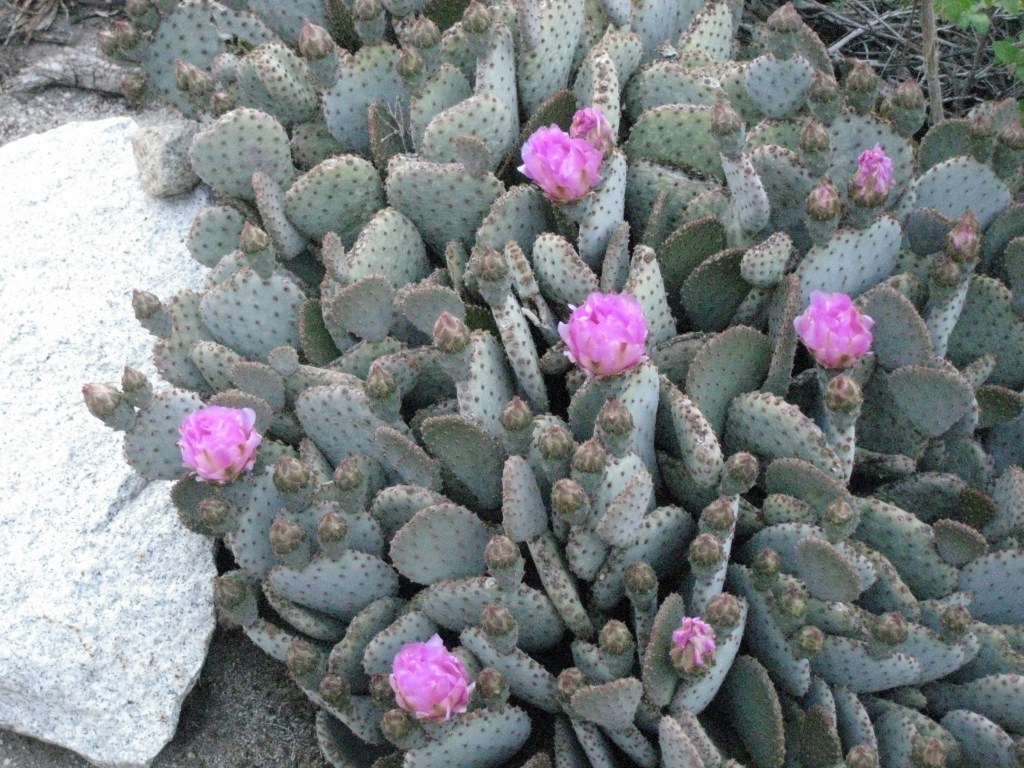
Opuntia engelmannii — Cactus Apple
Opuntia engelmannii, also called Cactus Apple or Engelmann Prickly Pear, showcases flattened pads covered in spines and features showy yellow to orange flowers that mature into pear-shaped fruits known as “tunas,” which come in various colors and are edible when carefully prepared, offering a multi-dimensional visual and culinary appeal in desert environments.
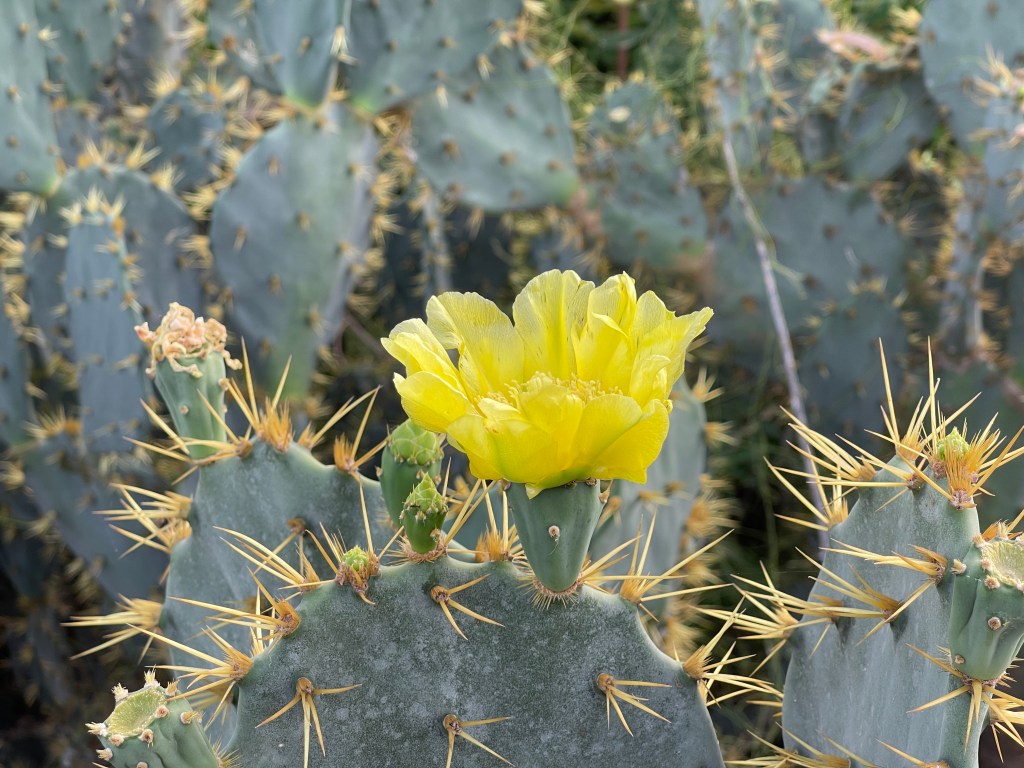
Opuntia ficus-indica — Indian Fig
Opuntia ficus-indica, the Indian Fig or Prickly Pear Cactus, exhibits flattened pads that can grow in a sprawling or columnar form, reaching heights of up to 10 feet or more, and is adorned with clusters of spines, some large and others fine, giving it a distinctive appearance in the landscape.
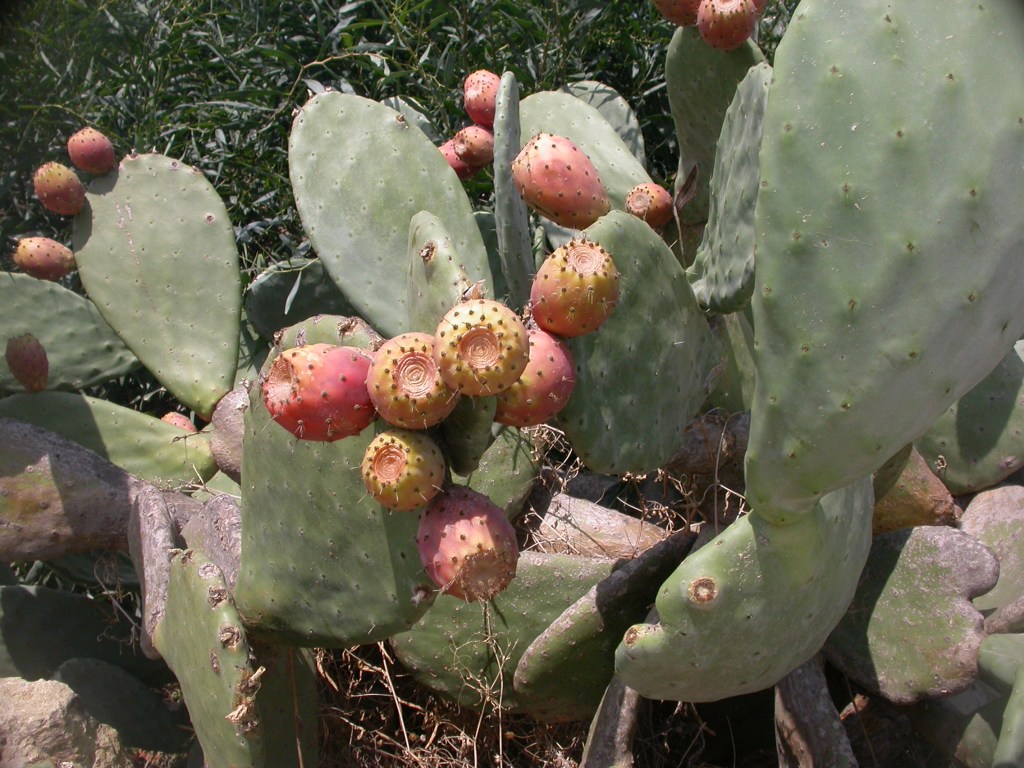
Opuntia macrocentra – Purple Prickly Pear
Opuntia macrocentra, known as Purple Prickly Pear, showcases flattened pads with a deep purple hue, often contrasted by bright yellow flowers, creating a captivating visual display that adds both color and texture to the arid landscape.
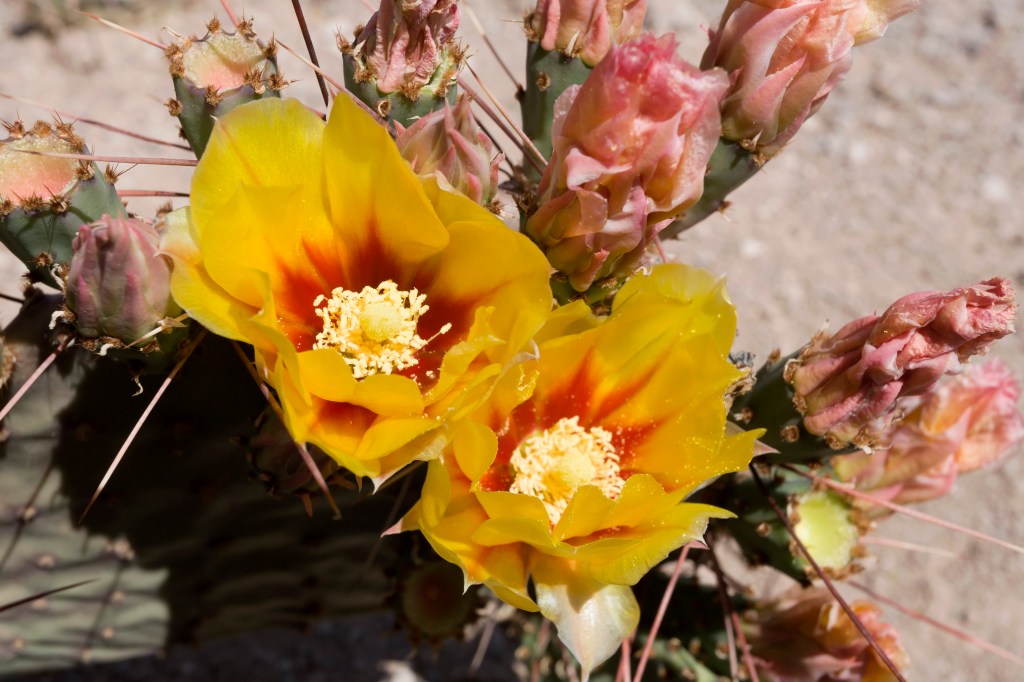
Opuntia robusta — Giant Prickly Pear
Opuntia robusta, commonly known as Giant Prickly Pear, features large and thick flattened pads that can grow to be quite sizable, often reaching heights of around 6 to 10 feet and widths of 4 to 6 feet, creating a substantial and striking presence in the desert landscape.
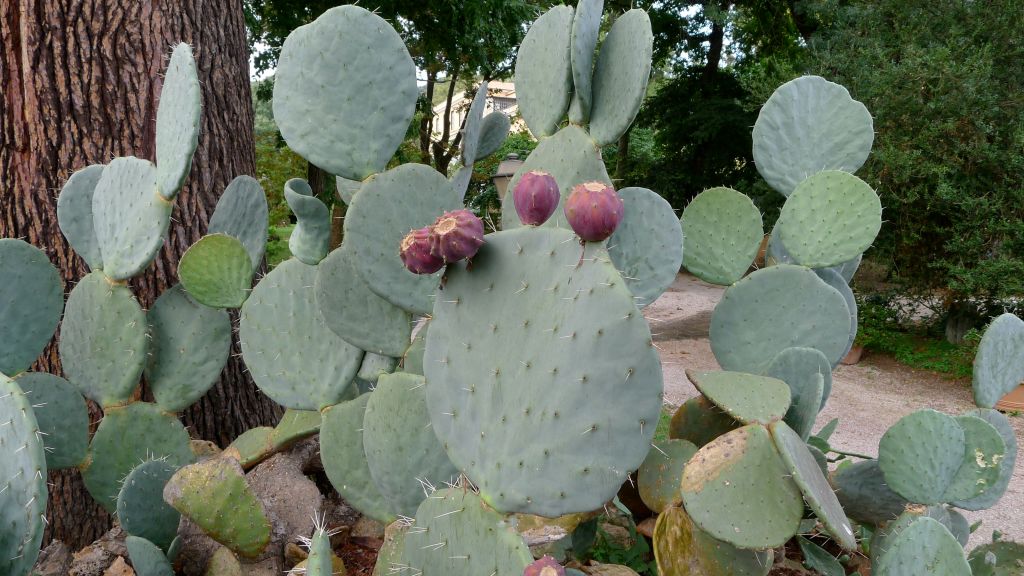
Opuntia santa-rita —Santa Rita Prickly Pear
Opuntia santa-rita, the Santa Rita Prickly Pear, exhibits distinctive paddle-like pads with a striking purple to blue-gray coloration that intensifies in full sun, creating a visually captivating and unique presence in the desert landscape.

Stenocereus thurberi — Organpipe Cactus
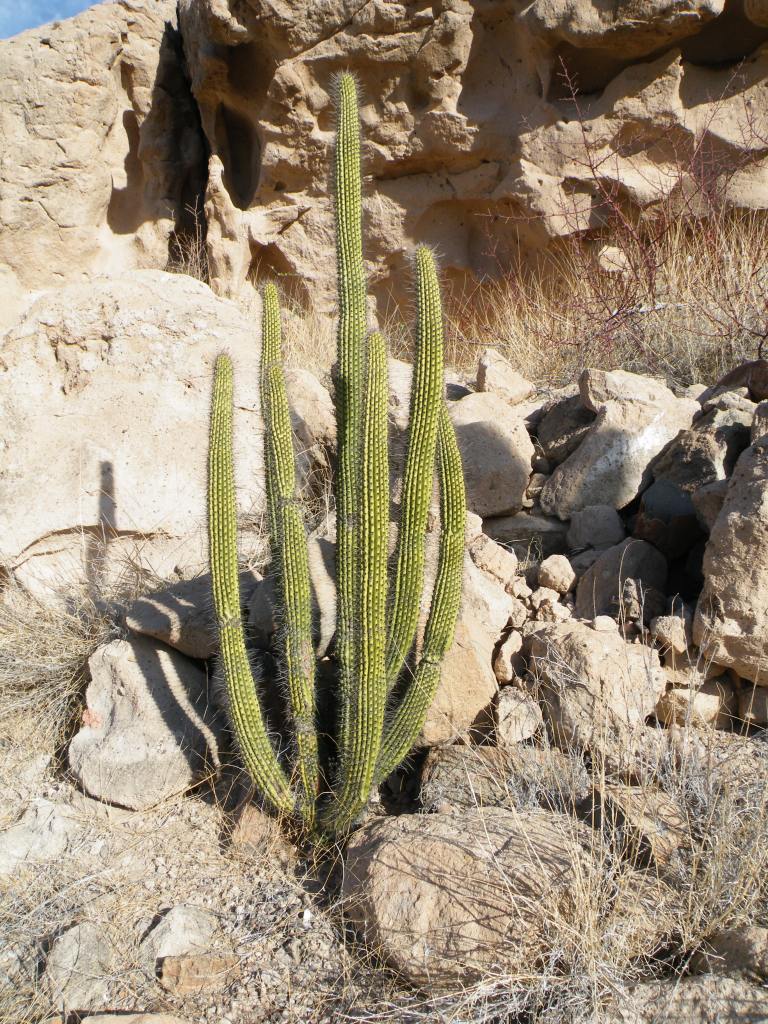
Stenocereus thurberi, also known as Organpipe Cactus, showcases a multi-stemmed and columnar form reminiscent of organ pipes, often reaching impressive heights, while its ribs and spines contribute to its distinct appearance, making it a charismatic and emblematic species in the desert landscape.

Tephrocactus articulates — Pinecone Prickly Pear
Tephrocactus articulatus, known as Pinecone Prickly Pear, boasts cylindrical, jointed segments that resemble pinecones, showcasing a unique and intricate texture, while its bright yellow flowers and compact size make it a charming and distinctive addition to arid gardens and rockeries.
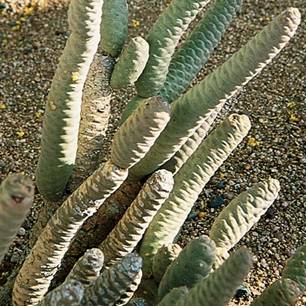
Cycas revoluta — Sago Palm
Cycas revoluta, the Sago Palm, presents a symmetrical and feathery crown of dark green, glossy fronds atop a stout trunk, making it a popular choice for landscape focal points due to its striking architectural form, low maintenance requirements, and ability to create a tropical ambiance in various garden styles.
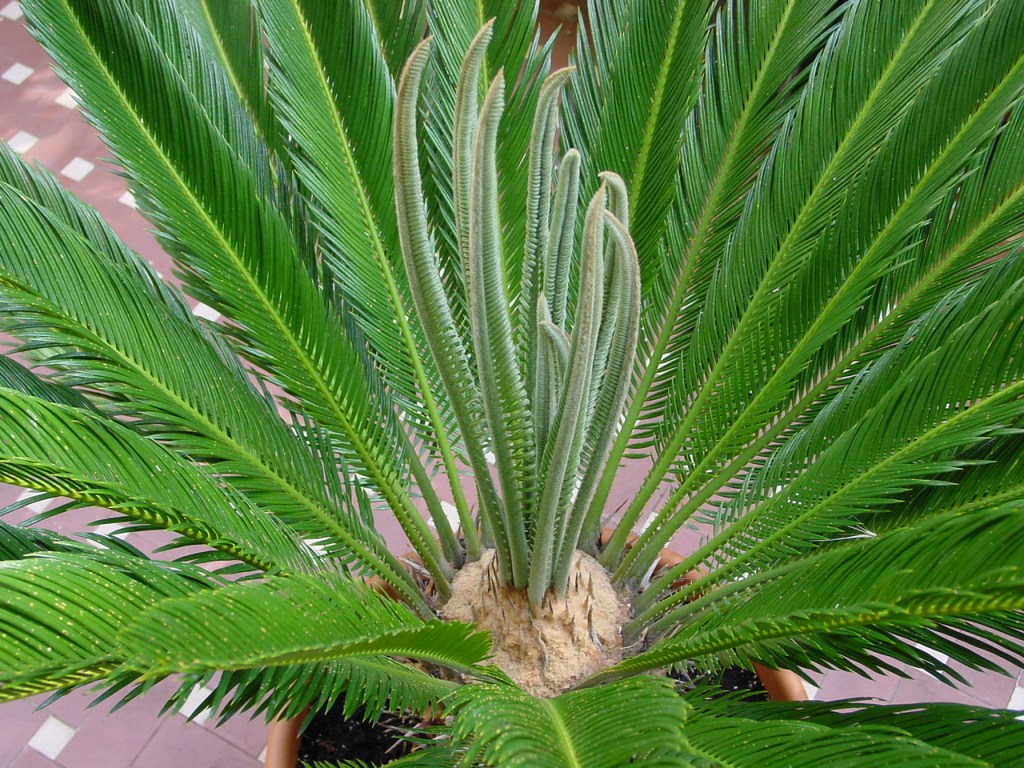
Dasylirion Species — Desert Spoon
Dasylirion species, collectively known as Desert Spoon, showcase rosettes of long, narrow leaves with toothed edges, adding a sculptural and textural element to the landscape, making them popular choices in the southwest for xeriscaped gardens, rockeries, or as dramatic focal points due to their resilience, unique appearance, and low water needs.

Pedilanthus macrocarpus – Slipper Plant
Pedilanthus macrocarpus, known as Slipper Plant, features an intriguingly contorted and slender stem structure, resembling slippers or hooks, and it produces clusters of small, red flowers that hang gracefully, adding a touch of curiosity and distinctive charm to the desert landscape.

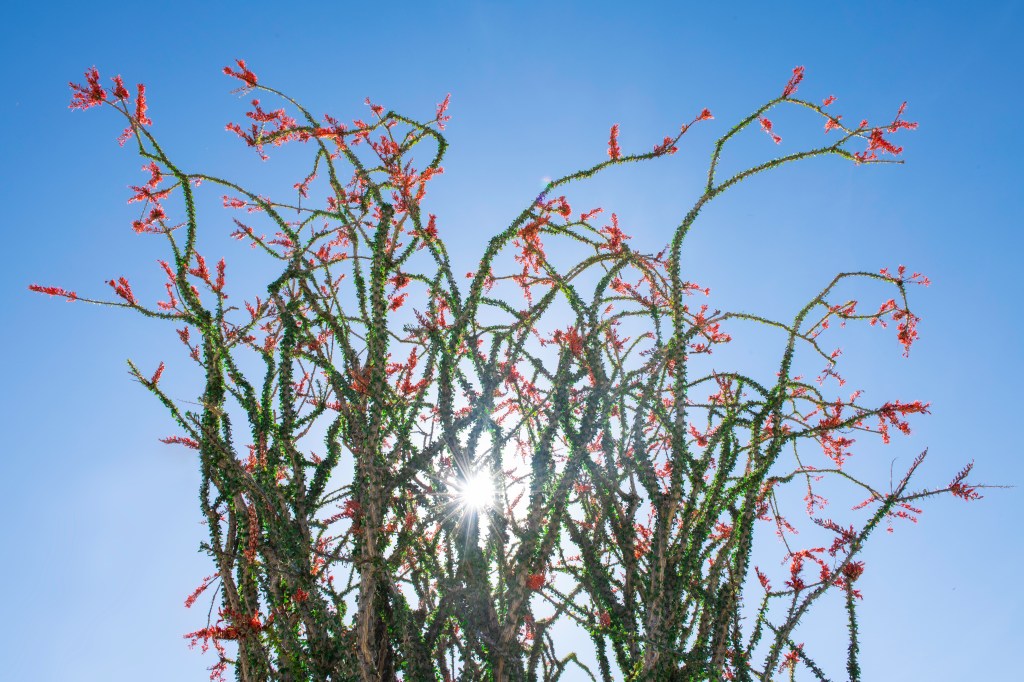
Fouquieria splendens — Ocotillo
Fouquieria splendens, the Ocotillo, showcases tall, spindly stems crowned with vibrant clusters of red tubular flowers, creating a striking and visually captivating appearance in the desert landscape, while its nectar-rich blooms make it a magnet for hummingbirds, adding a delightful touch of wildlife interaction.
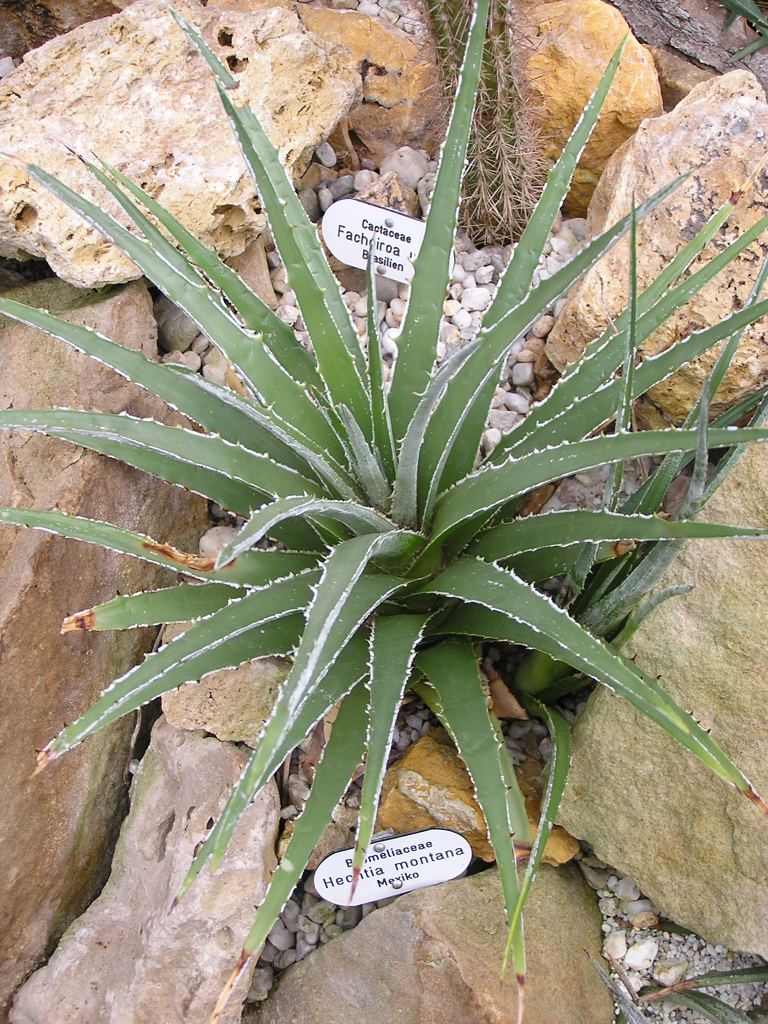
Hechtia montana — Hechtia
Hechtia montana, also referred to as Mountain Hechtia, displays a rosette of spiky, rigid leaves that radiate from the center, giving it a unique and architectural form, while its native origins in Mexico make it an interesting addition to desert landscapes, contributing a touch of exotic beauty.
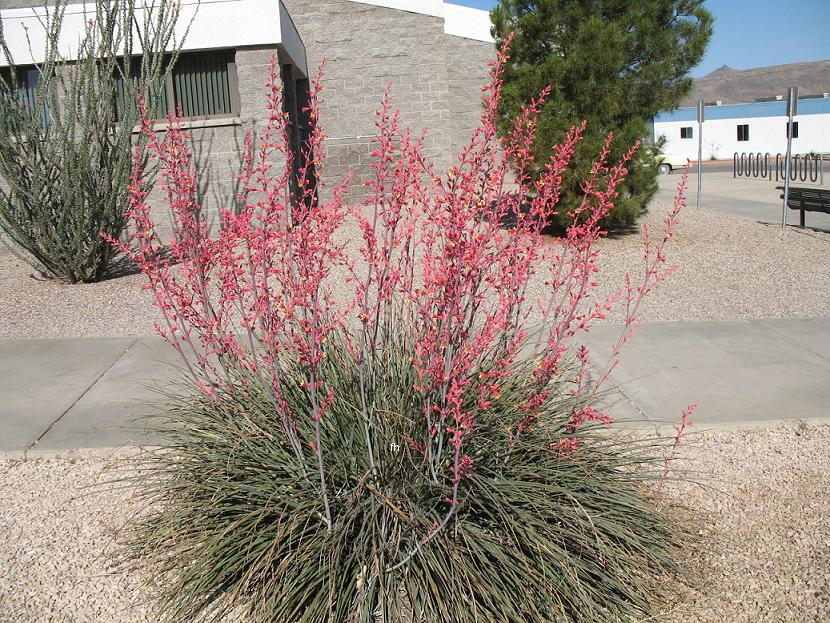
Hesperaloe species — Hesperaloe
Hesperaloe species, commonly known as Hesperaloe or Red Yucca, present a striking appearance with long, slender leaves that often feature a reddish hue, producing tall flowering spikes adorned with tubular blossoms in shades of red, pink, or coral, creating an eye-catching and drought-tolerant presence in desert gardens.
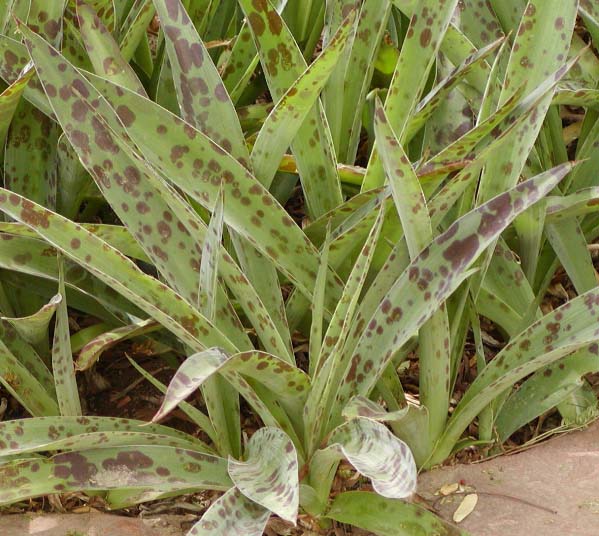
Manfreda maculosa — Spice Lily
Manfreda maculosa, the Spice Lily, showcases broad, spotted leaves and produces tall flower spikes with small, star-like flowers, making it a distinctive and visually appealing choice for natural groundcover in shaded areas under trees, adding a touch of unique beauty to those often overlooked spots.
Nolina Species — Beargrass
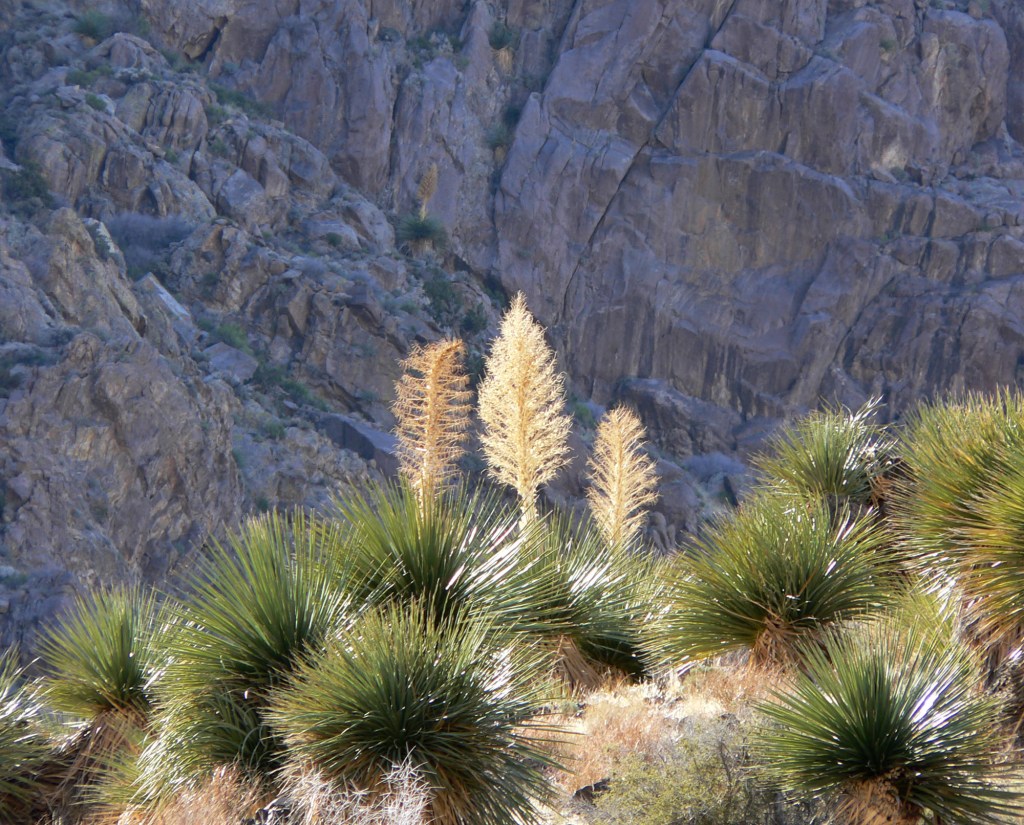
Nolina species, commonly known as Beargrass, feature long, grass-like leaves that emerge from a central base, forming attractive clumps, and often produce tall flower spikes with delicate blossoms, making them versatile additions to the garden, suitable for xeriscaping, rock gardens, borders, or as striking focal points, offering both visual interest and low-maintenance appeal.
Portulacaria afra — Elephant Food
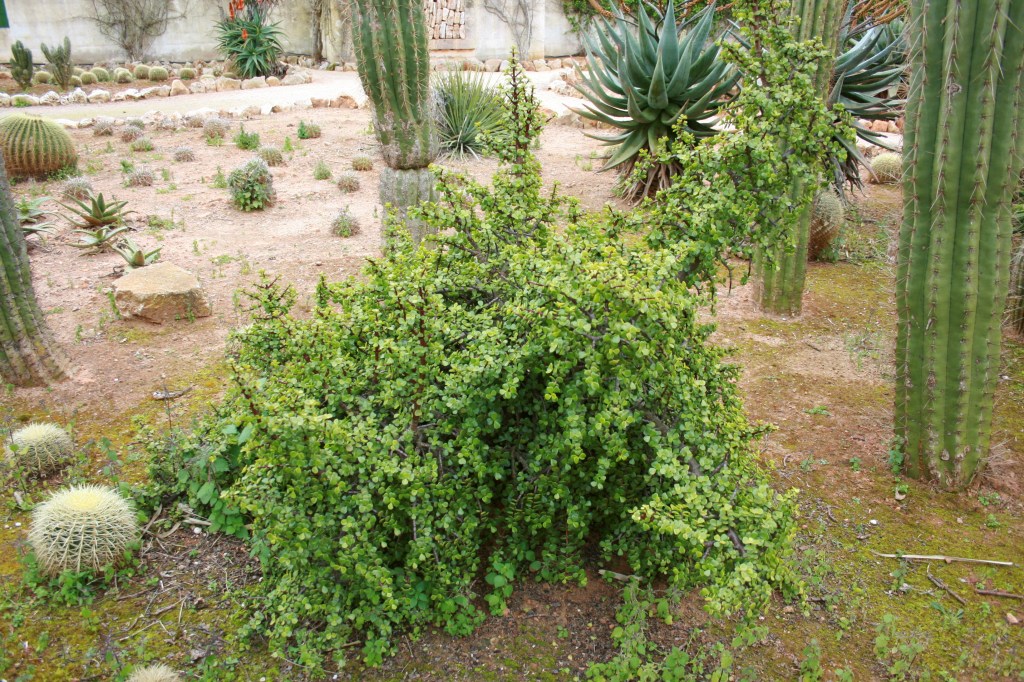
Portulacaria afra, the Elephant Bush, showcases small, fleshy leaves on arching stems, giving it a distinctive appearance reminiscent of elephant ears, and it can be used effectively as a succulent shrub, while a dwarf variety also exists, which serves as a charming groundcover option, both contributing to the beauty and versatility of desert landscapes.
Yucca Species — Yucca
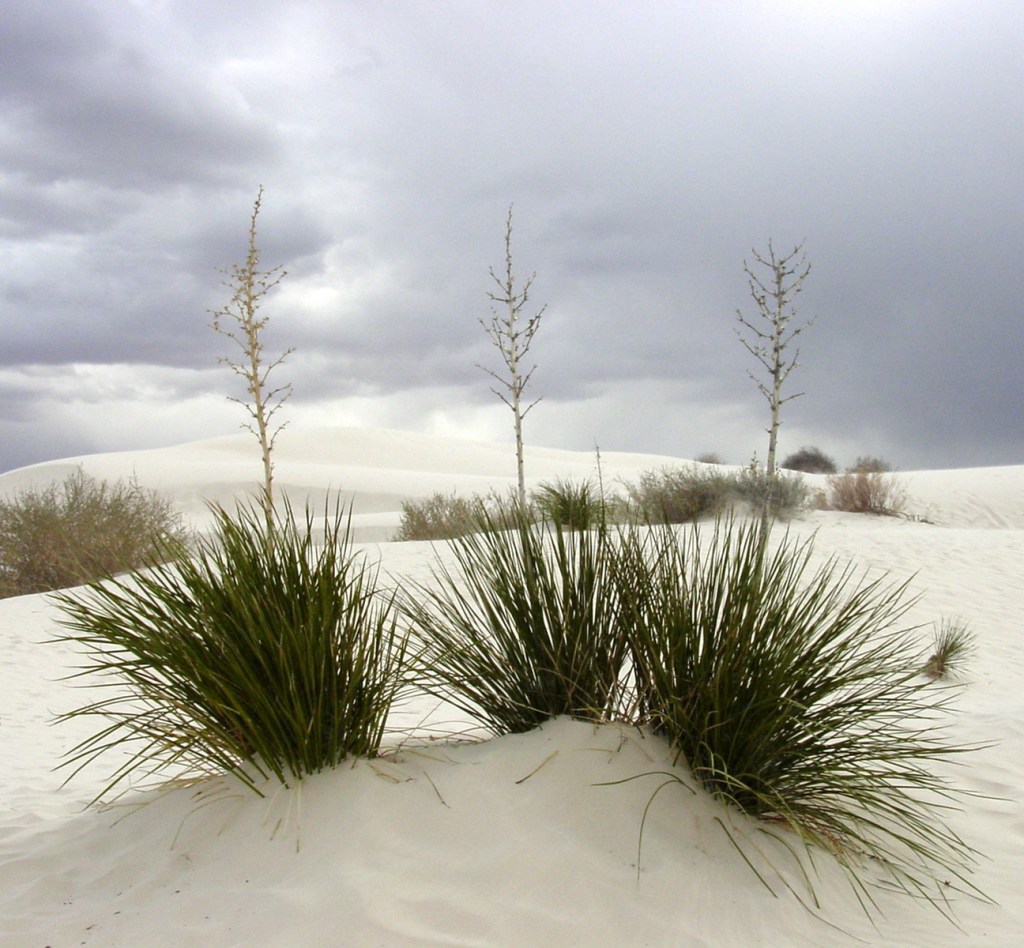
Growing Yucca species in the desert garden offers a combination of rugged beauty and low-maintenance appeal. With their striking rosettes of spiky, sword-like leaves and tall flower spikes adorned with creamy white or greenish blossoms, yuccas add architectural interest and visual drama to the landscape. These drought-tolerant plants thrive in the arid conditions, making them perfect for xeriscaped gardens or as focal points in rock gardens, while their adaptability and variety of sizes, from compact to tree-like, provide ample options for different garden designs.
 Desert Gardener