Acacia redolens — Prostrate Acacia
Acacia redolens, with its trailing form and low water needs, serves as an excellent groundcover choice in the low water desert garden, adding both visual interest and practicality to the landscape.
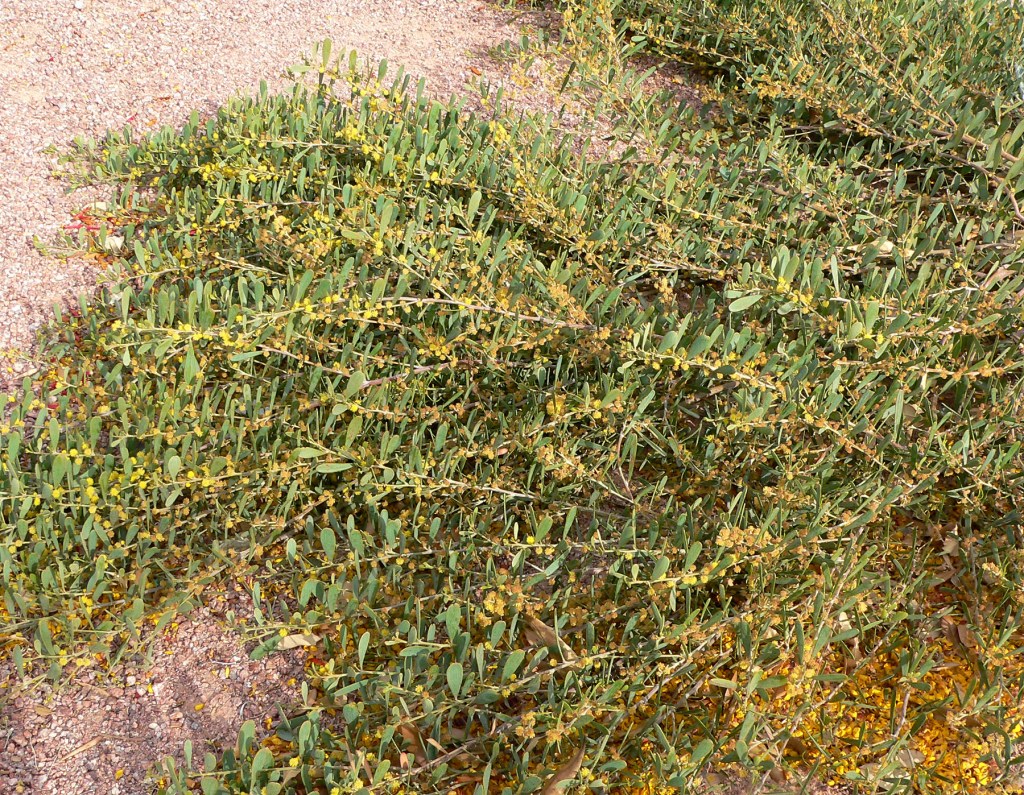
Acalypha monostachya ‘Raspberry Fuzzies’
Acalypha monostachya ‘Raspberry Fuzzies’ is a distinctive cultivar known for its fuzzy, elongated flower spikes that resemble raspberry clusters, adding a unique and whimsical touch to garden landscapes while attracting attention with its vibrant color and intriguing texture.
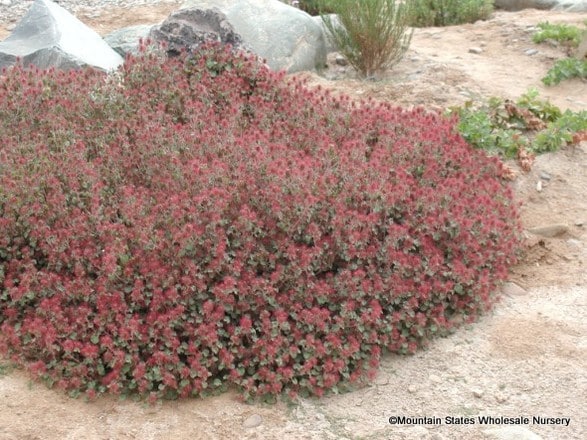
Asparagus densiflorus – Asparagus Fern
Asparagus densiflorus, commonly known as Asparagus Fern, can serve as an attractive and texturally diverse groundcover, with its delicate, feathery foliage creating a lush carpet-like effect that adds a touch of elegance and softness to garden spaces.
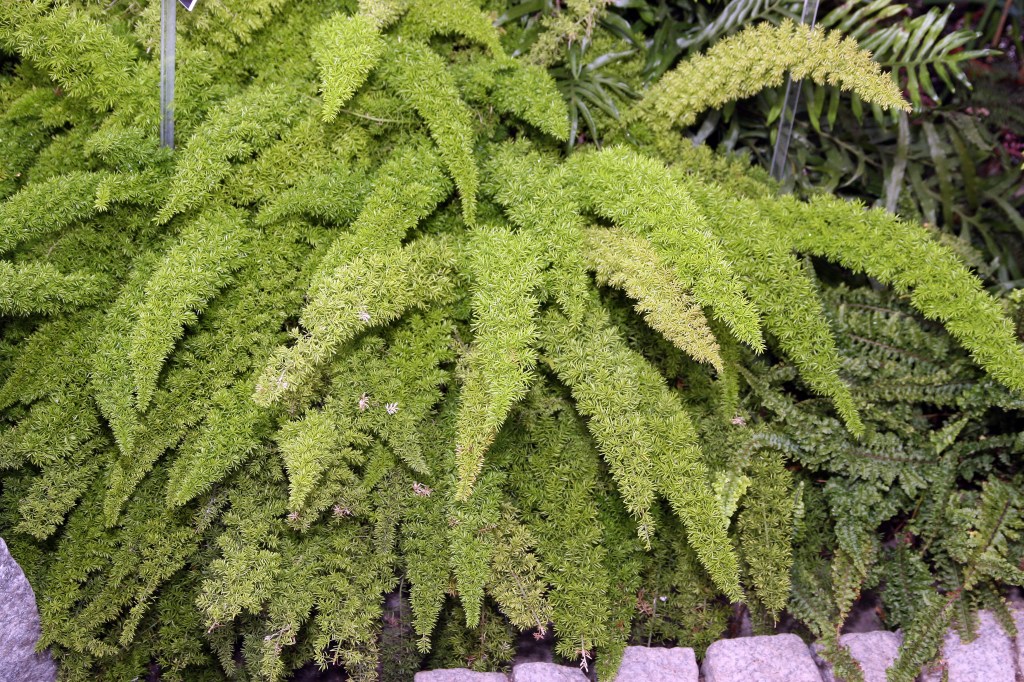
Baccharis x ‘Centennial’ – Centennial Coyotebrush
Baccharis x ‘Centennial’ is a low-growing, spreading shrub that forms a dense mat of vibrant green foliage, making it a versatile groundcover choice for sunny areas in the garden; its adaptability to various soil types and ability to withstand drought conditions also contribute to its suitability as a groundcover option, particularly in xeriscape and native plant gardens.
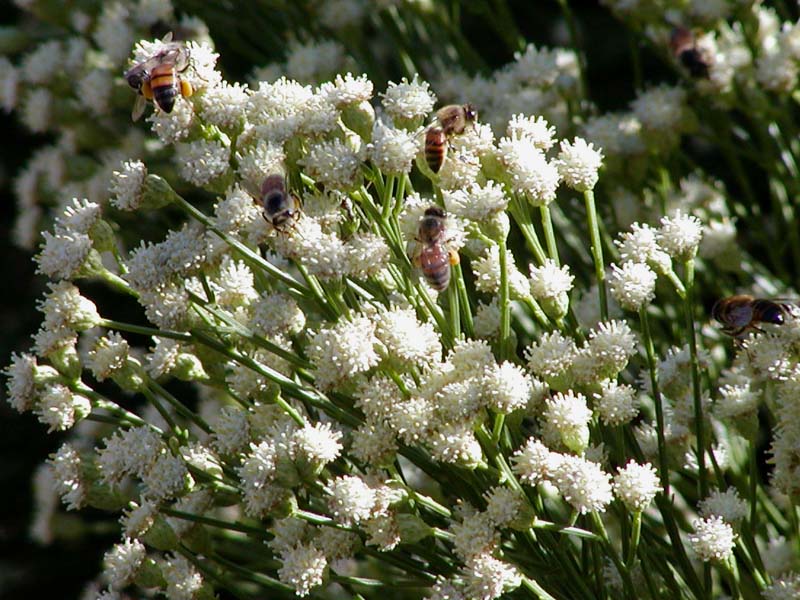
Calylophus hartwegii — Sundrops
Calylophus hartwegii, commonly known as “Sun Drop” or “Evening Primrose,” features bright yellow, cup-shaped flowers that open in the evening and provide a cheerful and luminous display, making it a charming addition to garden landscapes, especially in arid and sunny environments.
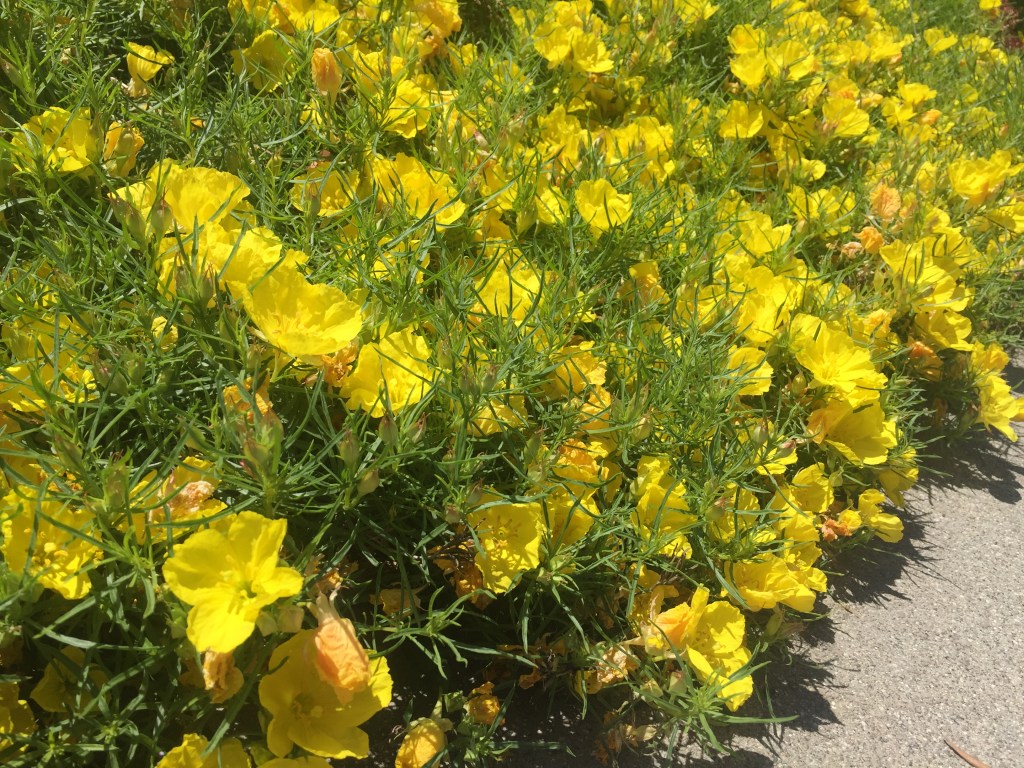
Cephalophyllum alstonii ‘Red Spike’ — Red Spike Iceplant
Red Spike Iceplant with its vibrant red-purple flowers and succulent, trailing foliage, creates a striking groundcover that not only adds a splash of color but also offers effective erosion control on slopes, making it a visually appealing and practical choice for sunny, dry areas in the landscape.
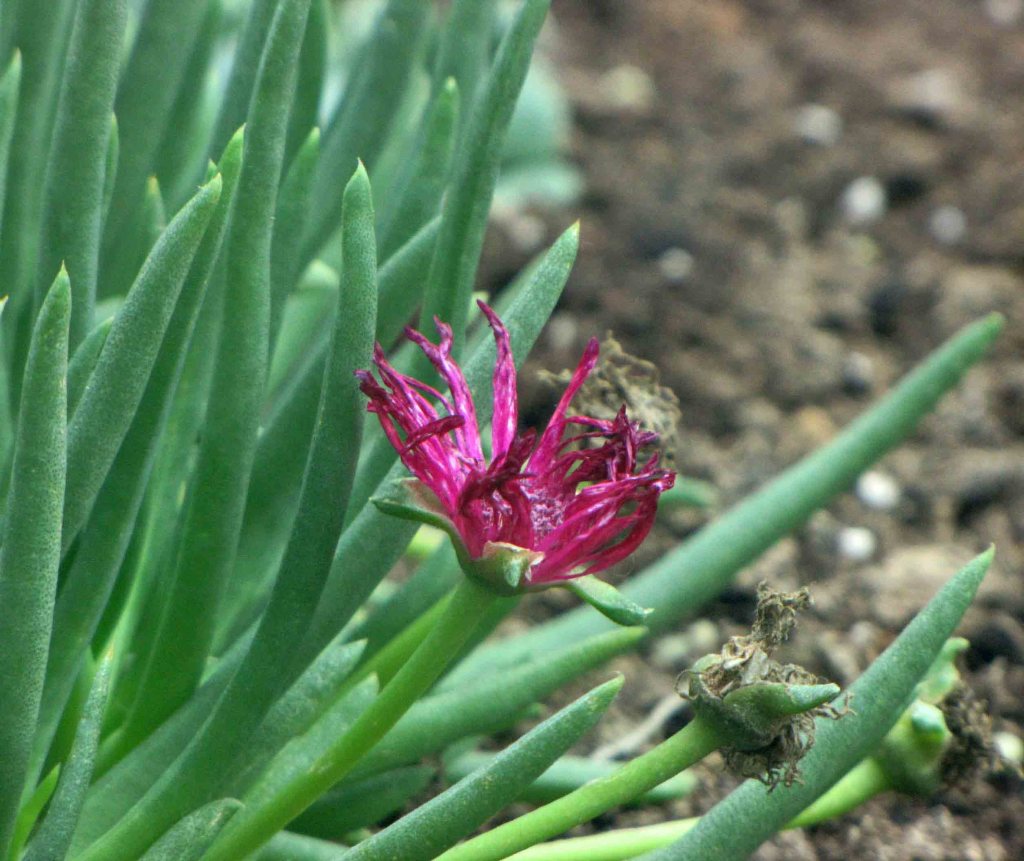
Convolvulus mauritanicus — Ground Morning Glory
Convolvulus mauritanicus, commonly known as Ground Morning Glory, is a trailing perennial with soft, silver-green foliage and delicate, sky-blue flowers that blanket the plant, creating a charming and vibrant groundcover that can thrive in various garden settings, particularly in rock gardens, borders, or cascading over walls.

Dalea greggii — Prairie Clover
Dalea greggii, often referred to as Prairie Clover, is a compact, perennial shrub characterized by its feathery, gray-green foliage and spikes of pink to purple pea-like flowers, contributing both visual interest and ecological value to landscapes by attracting pollinators and adding a touch of color to arid gardens.
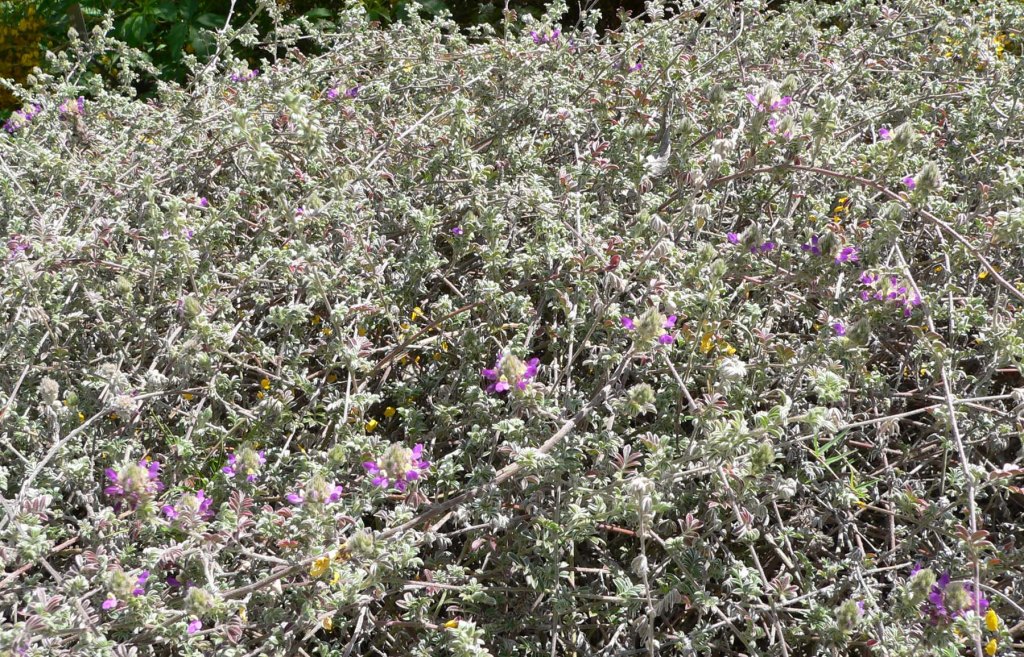
Eremophila glabra ‘Mingenew Gold’ — Outback Sunrise Emu Bush
Eremophila glabra ‘Mingenew Gold’ is a cultivar of the desert-adapted Eremophila glabra, known for its compact form, small green leaves, and abundant trumpet-shaped yellow flowers; its vibrant blooms and low-maintenance nature make it a valuable addition to arid landscapes and water-wise gardens.
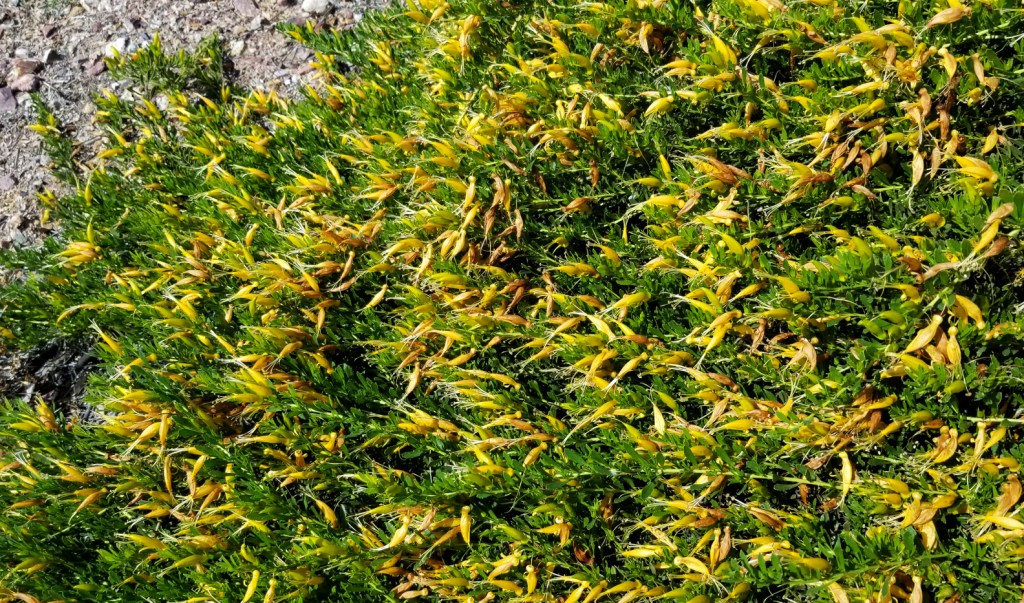
Euphorbia rigida — Blue Euphorbia
Euphorbia rigida, also known as Blue Euphorbia, displays a unique and captivating appearance with its striking blue-gray leaves and upright growth habit; its architectural form and drought-tolerant nature make it an excellent choice for adding both color and texture to xeriscape gardens.
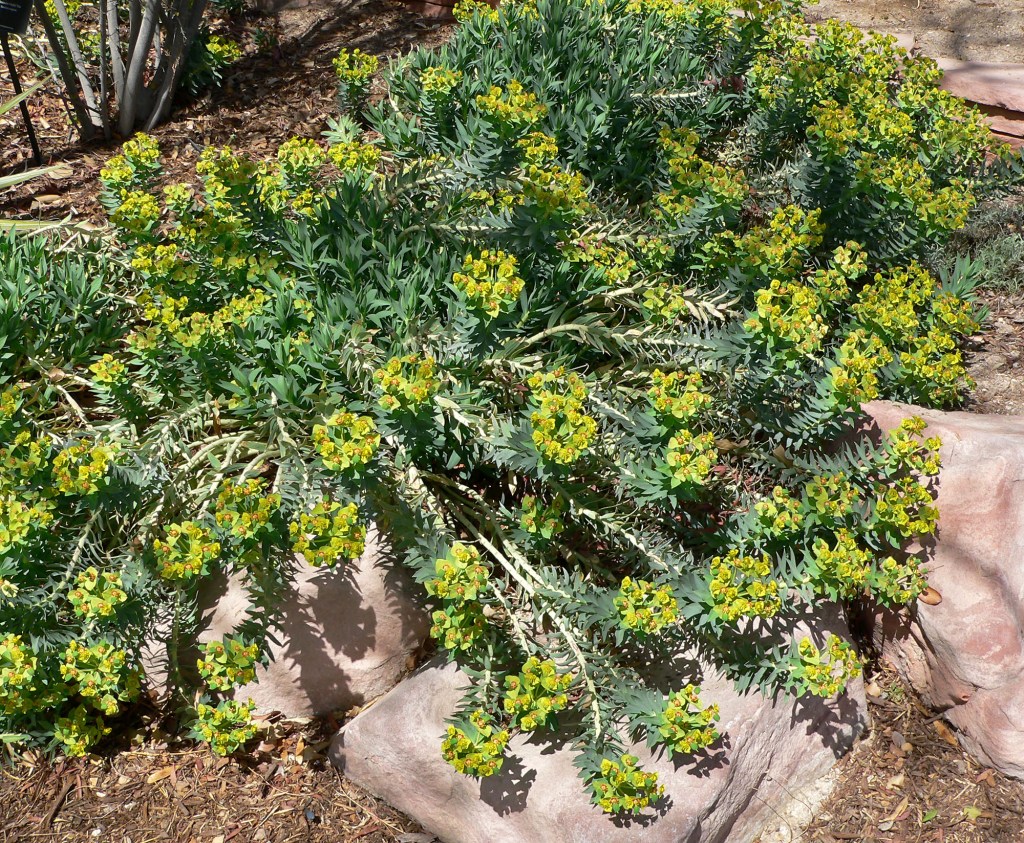
Gazania rigens — African Daisy
Gazania rigens, commonly known as Treasure Flower or African Daisy, forms a vibrant and colorful groundcover with its bright, daisy-like flowers in a range of hues, including shades of yellow, orange, and pink; its ability to thrive in hot and dry conditions makes it a valuable addition to groundcover plantings, adding a cheerful and low-maintenance splash of color to the landscape.
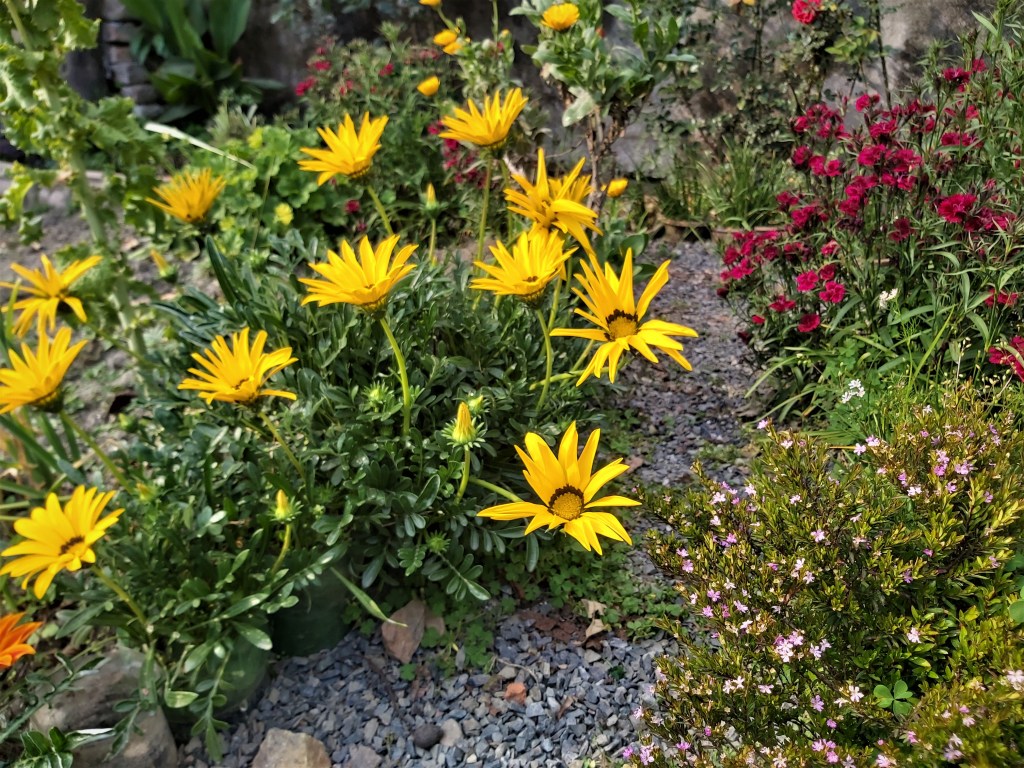
Glandularia bipinnatifida
— Prairie Verbena
Glandularia bipinnatifida, also known as Prairie Verbena, showcases finely dissected foliage and clusters of small, fragrant, lavender to violet flowers that attract pollinators; its dainty and vibrant blooms make it a delightful choice for adding a splash of color to both native and cottage-style gardens.
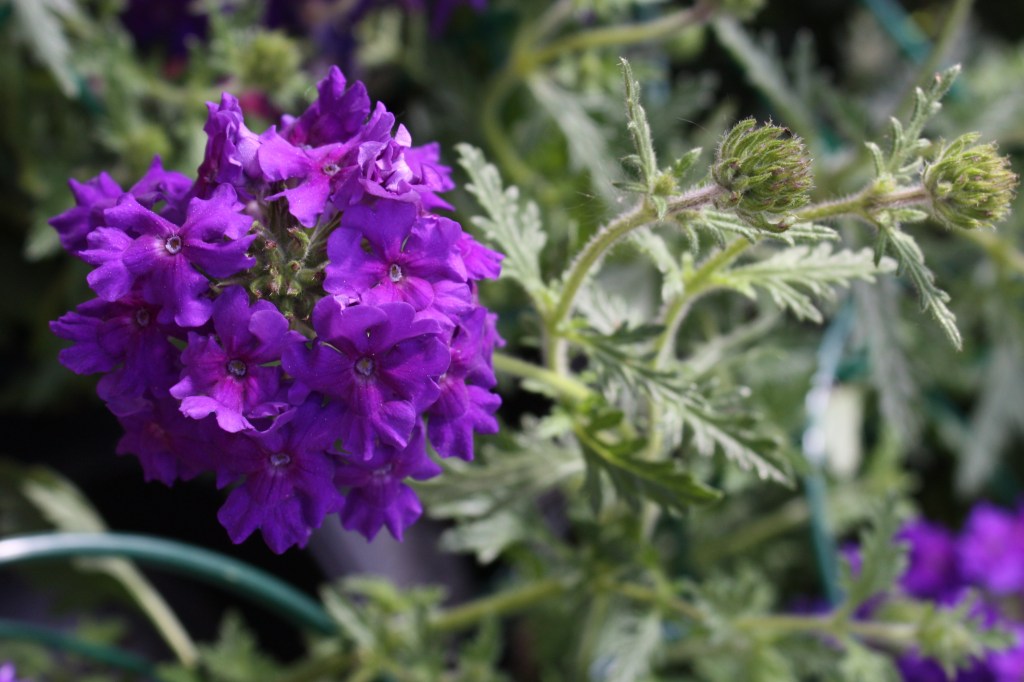
Lantana montevidensis —Trailing Lantana
Lantana montevidensis, commonly referred to as Trailing Lantana, creates a lush and colorful groundcover with its trailing stems, small clusters of lavender, pink, or white flowers, and dense foliage; its ability to tolerate heat, drought, and poor soils makes it an ideal choice for adding both beauty and resilience to garden landscapes.
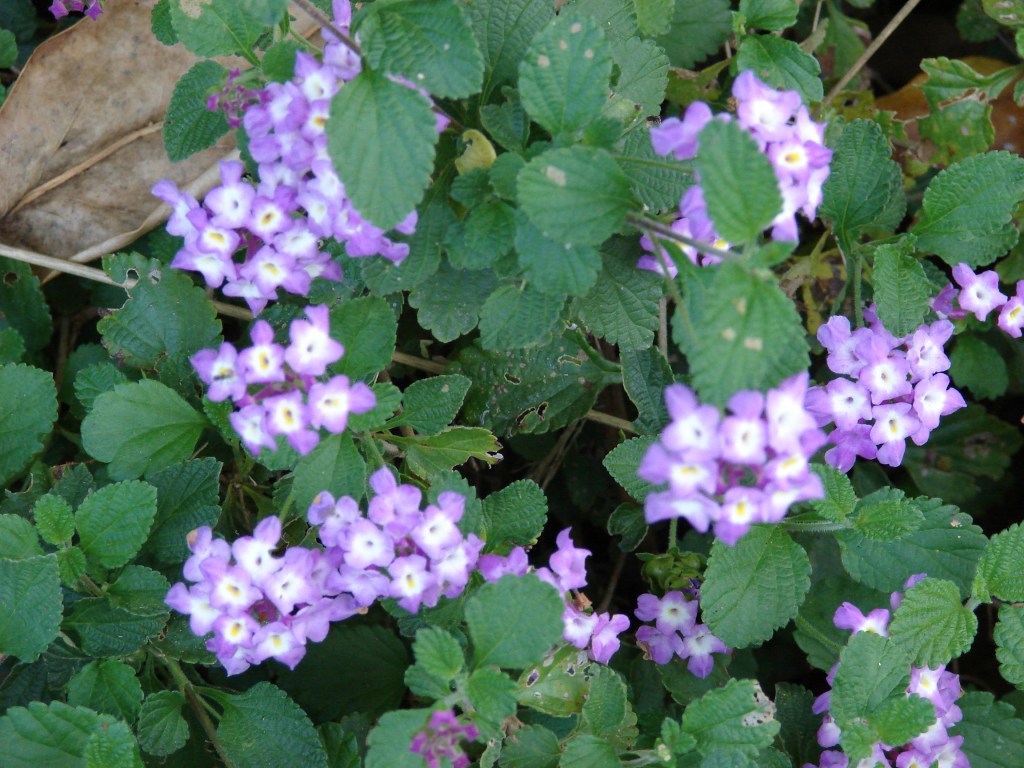
Malephora crocea —Copper Iceplant
Malephora crocea, commonly known as Copper Ice Plant, features succulent, fleshy leaves and vibrant orange to copper-colored flowers that open in sunny conditions; its drought tolerance and ability to spread and carpet the ground make it a striking and low-maintenance groundcover choice, especially in arid and coastal gardens.
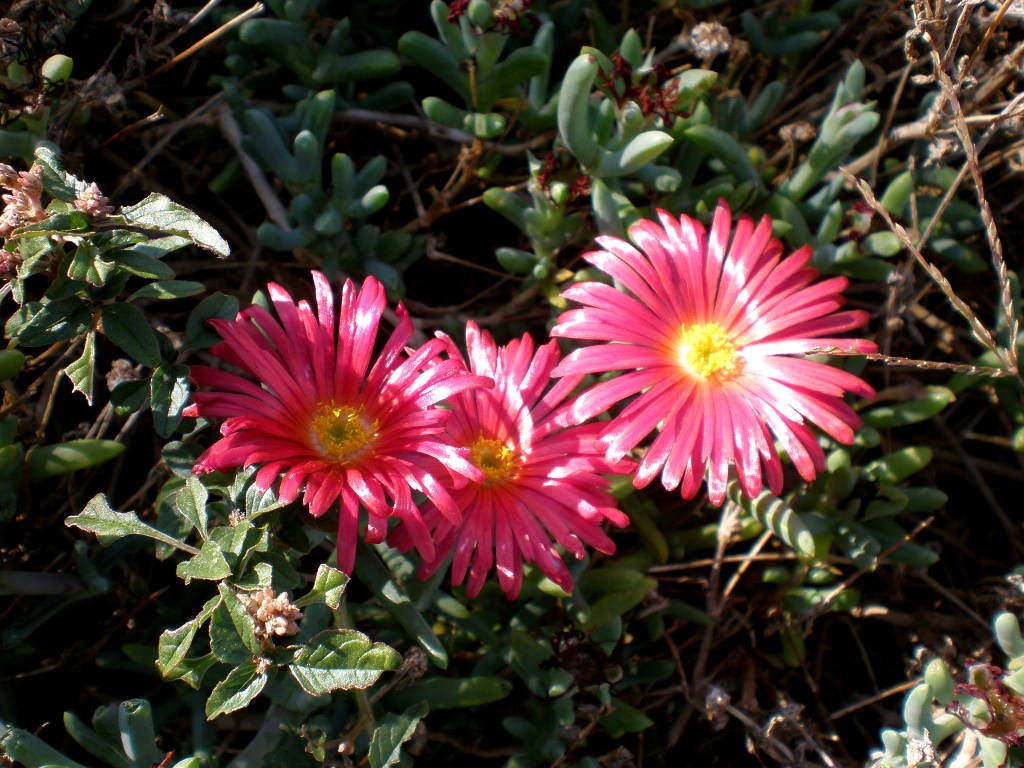
Myoporum parvifolium —Creeping Myoporum
Myoporum parvifolium, commonly known as Creeping Boobialla, forms a dense and low-growing groundcover with its small, narrow leaves and tiny white or pink flowers; its ability to tolerate a range of soil types and its spreading growth habit make it a versatile and attractive choice for covering large areas in garden landscapes while also helping with erosion control.
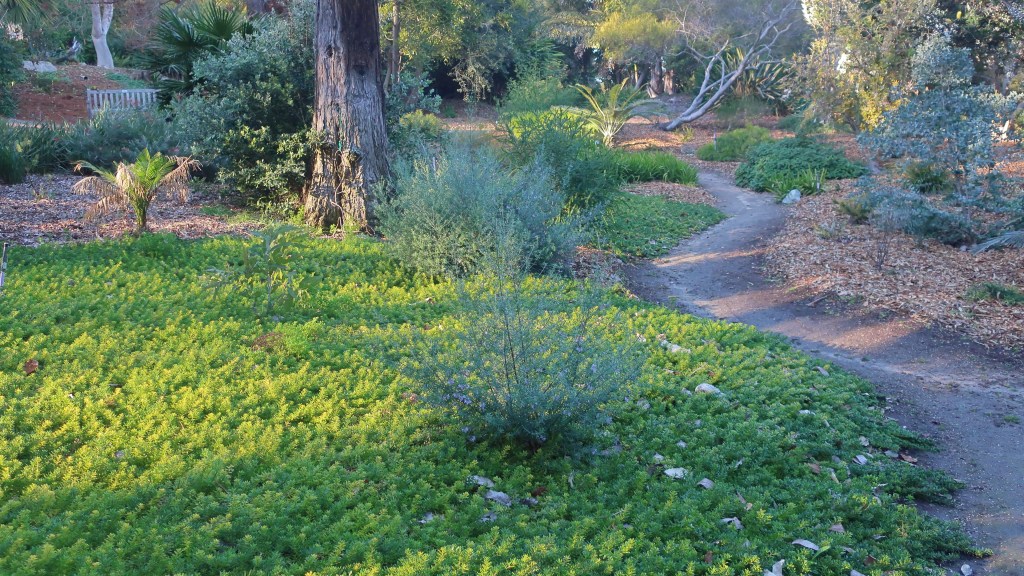
Oenothera stubbei —Saltillo Evening Primrose
Oenothera stubbei, or Saltillo Evening Primrose, is a charming desert plant known for its bright yellow, cup-shaped flowers that open in the evening, adding a cheerful and fragrant touch to the garden landscape.
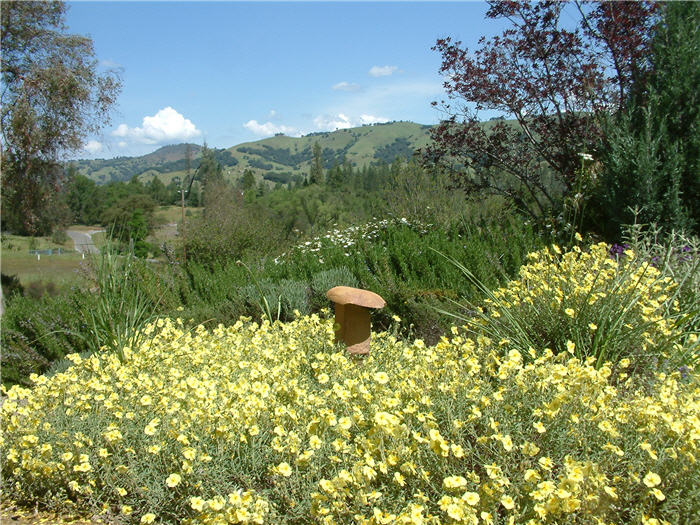
Pentzia incana —African Sheepbush
Pentzia incana, also known as African Sheepbush, presents silvery-gray foliage and clusters of small, yellow flowers; its drought tolerance and unique appearance make it an appealing choice for xeriscape gardens, adding texture and color contrast to the landscape.
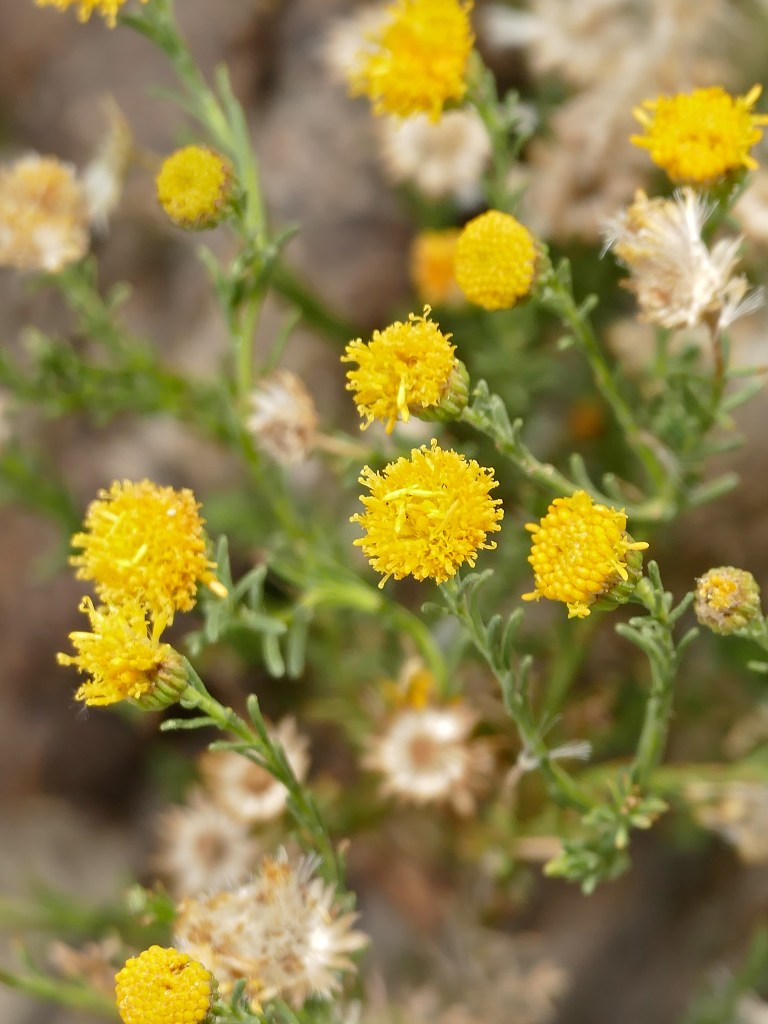
Rosmarinus officinalis ‘Prostratus’ — Prostrate Rosemary
Rosmarinus officinalis ‘Prostratus,’ or Prostrate Rosemary, forms a low-growing and spreading groundcover with aromatic needle-like leaves and pale blue flowers; its cascading growth habit, drought tolerance, and culinary versatility make it a desirable choice for both ornamental and edible garden settings.
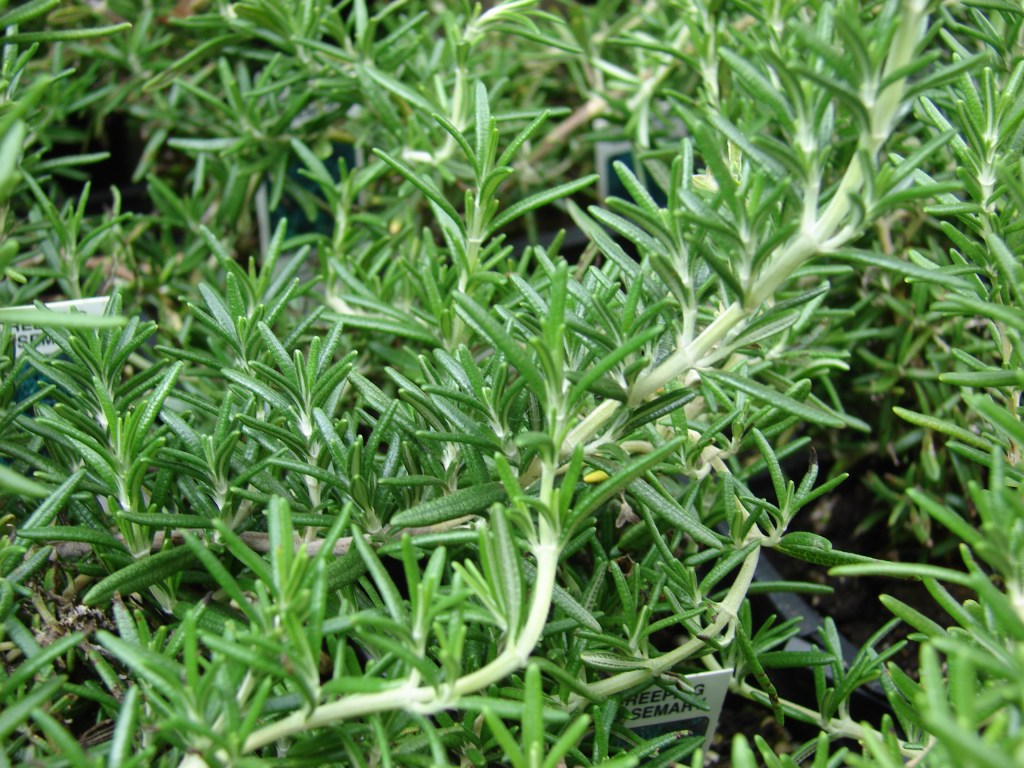
Ruellia coerulea ‘Katie’ — Katie Ruellia
Ruellia coerulea ‘Katie,’ commonly known as Katie Ruellia or Mexican Petunia, is a compact and prolific flowering plant with glossy green foliage and vibrant purple, trumpet-shaped flowers; its compact size and continuous blooming make it an excellent choice for adding color and charm to garden borders and containers.
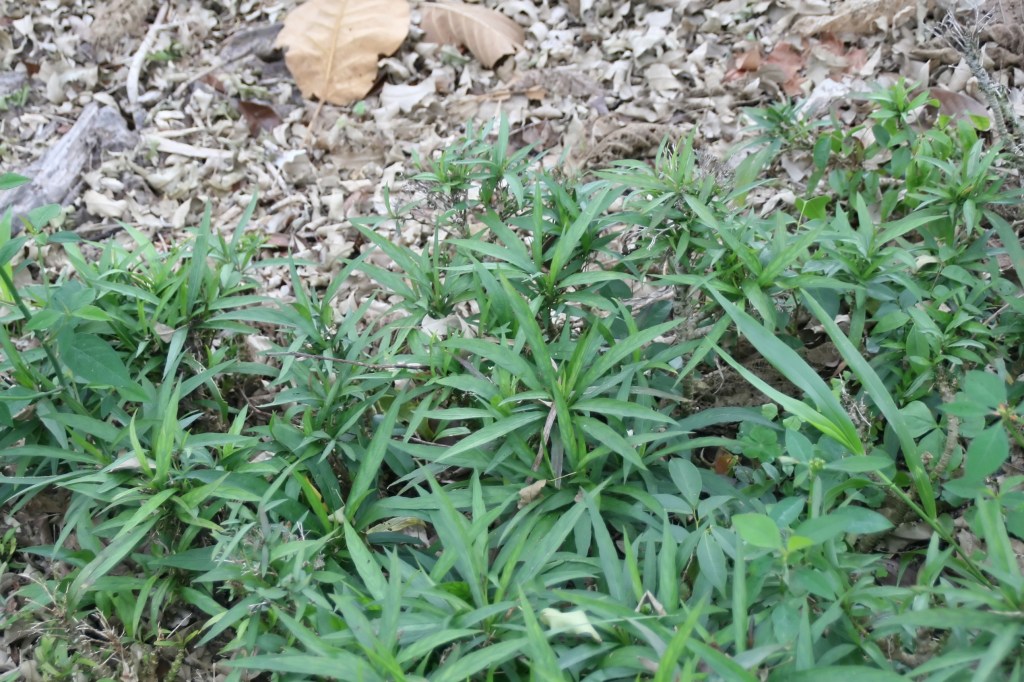
Sesuvium verrucosum — Sea Purslane
Sesuvium verrucosum, commonly referred to as Sea Purslane, is a succulent groundcover with thick, fleshy leaves and small pink to purple flowers; its salt tolerance and ability to thrive in coastal environments make it an excellent choice for stabilizing sandy or rocky soils and adding a touch of vibrant color to seaside gardens.
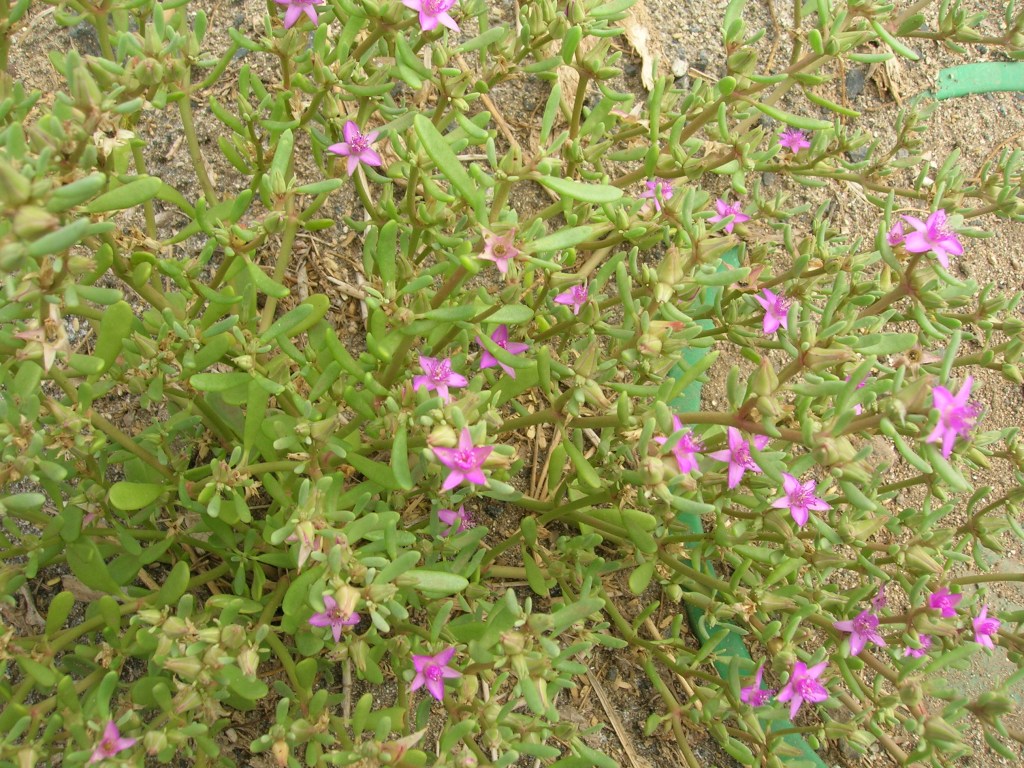
Sphagneticola trilobata — Creeping-Oxeye
Sphagneticola trilobata, commonly known as Creeping-Oxeye or Wedelia, is a fast-spreading groundcover with small, daisy-like yellow flowers and bright green, lobed leaves; its vigorous growth and ability to cover large areas quickly make it a popular choice for creating low-maintenance and colorful groundcover carpets in sunny garden spaces.
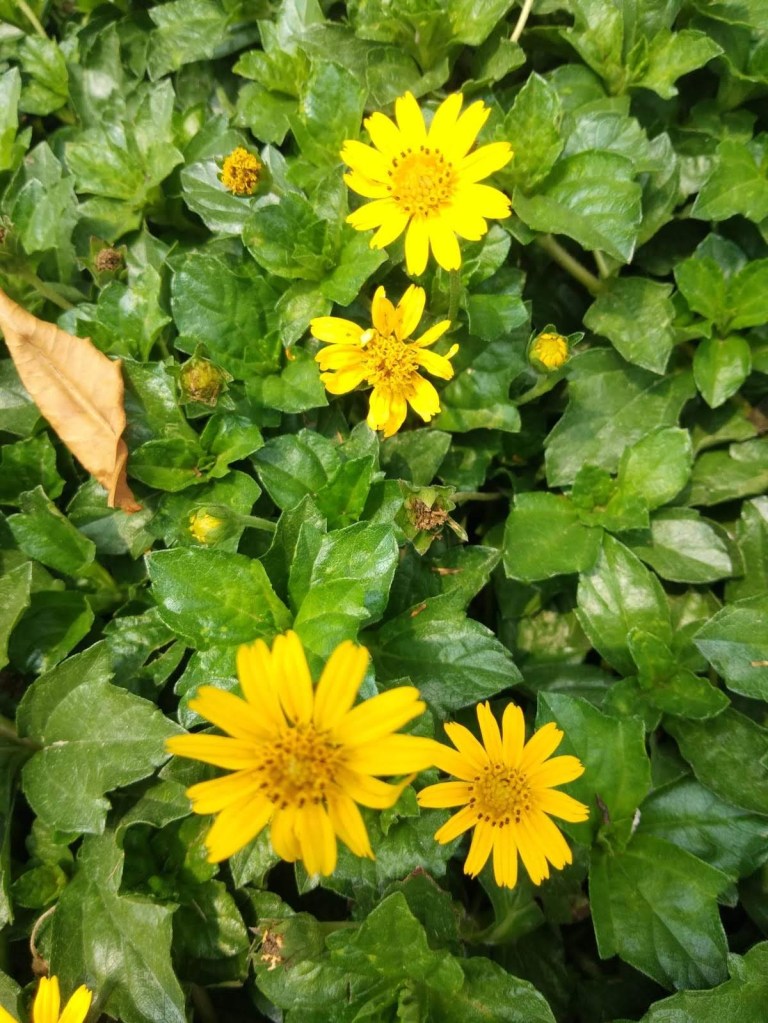
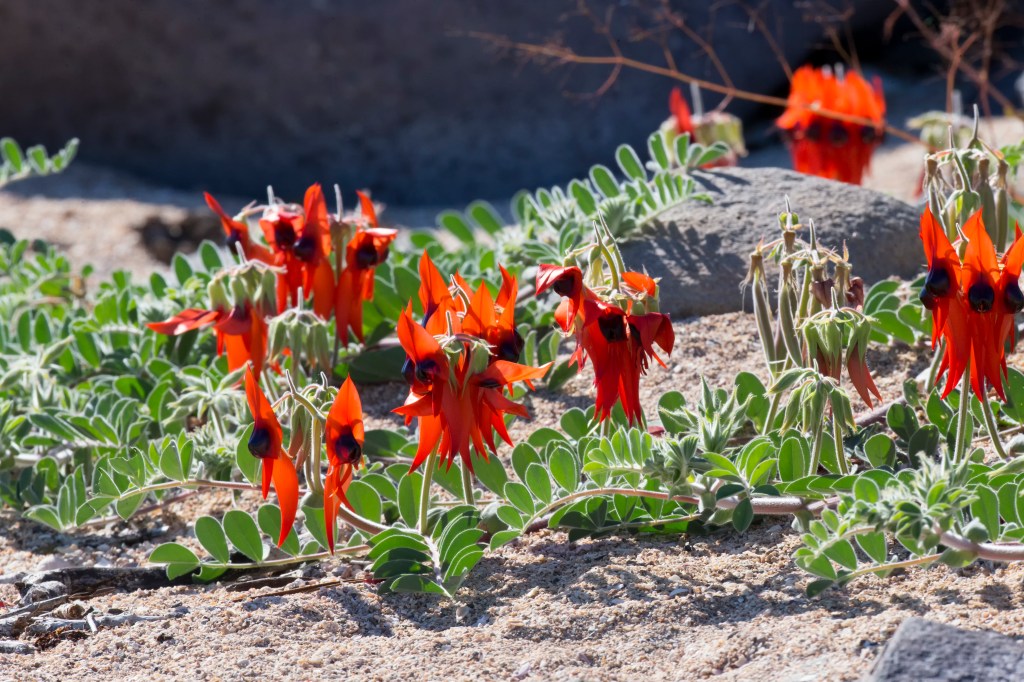
Swainsona formosa — Sturt’s Desert Pea
Swainsona formosa, also known as Sturt’s Desert Pea, is an iconic desert plant native to Australia, featuring striking blood-red, pea-like flowers with a distinctive black center; its unique appearance and cultural significance make it a sought-after choice for adding a touch of bold beauty and intrigue to arid landscapes.
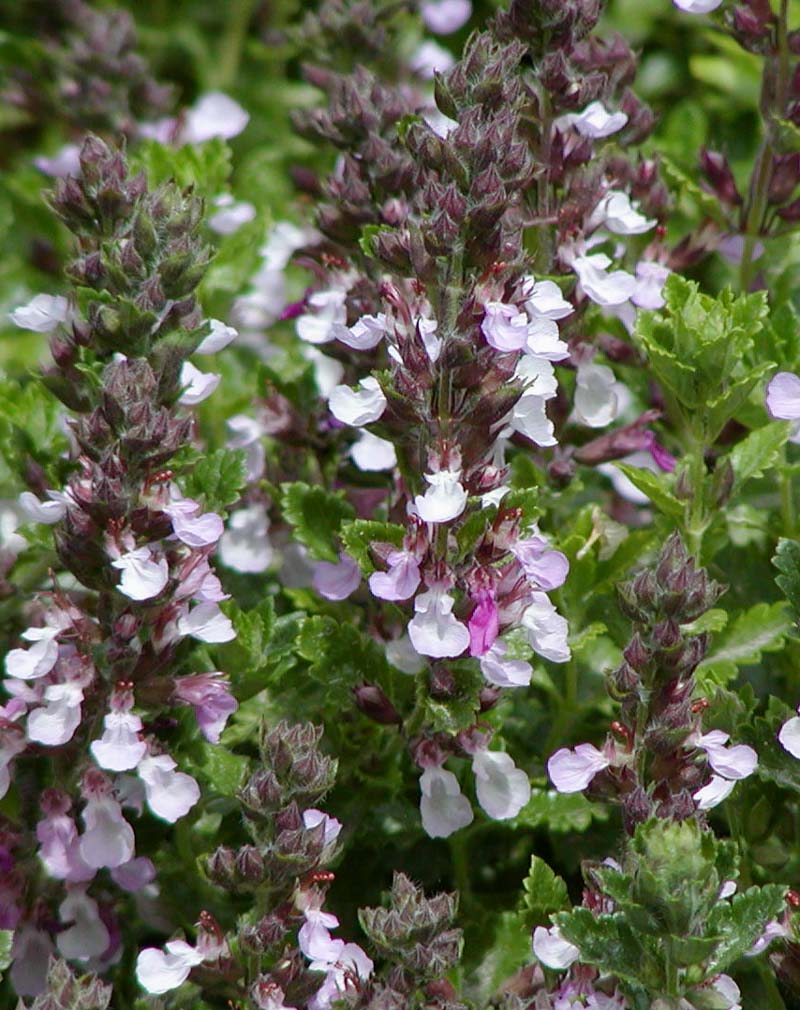
Teucrium chamaedrys ‘Prostratum’ — Prostrate Germander
Teucrium chamaedrys ‘Prostratum,’ commonly referred to as Prostrate Germander, forms a low-growing groundcover with small, aromatic leaves and clusters of pink to lavender flowers; its dense and spreading growth habit, along with its drought tolerance and attractive foliage, make it an excellent choice for creating textured and fragrant groundcovers in various garden settings.
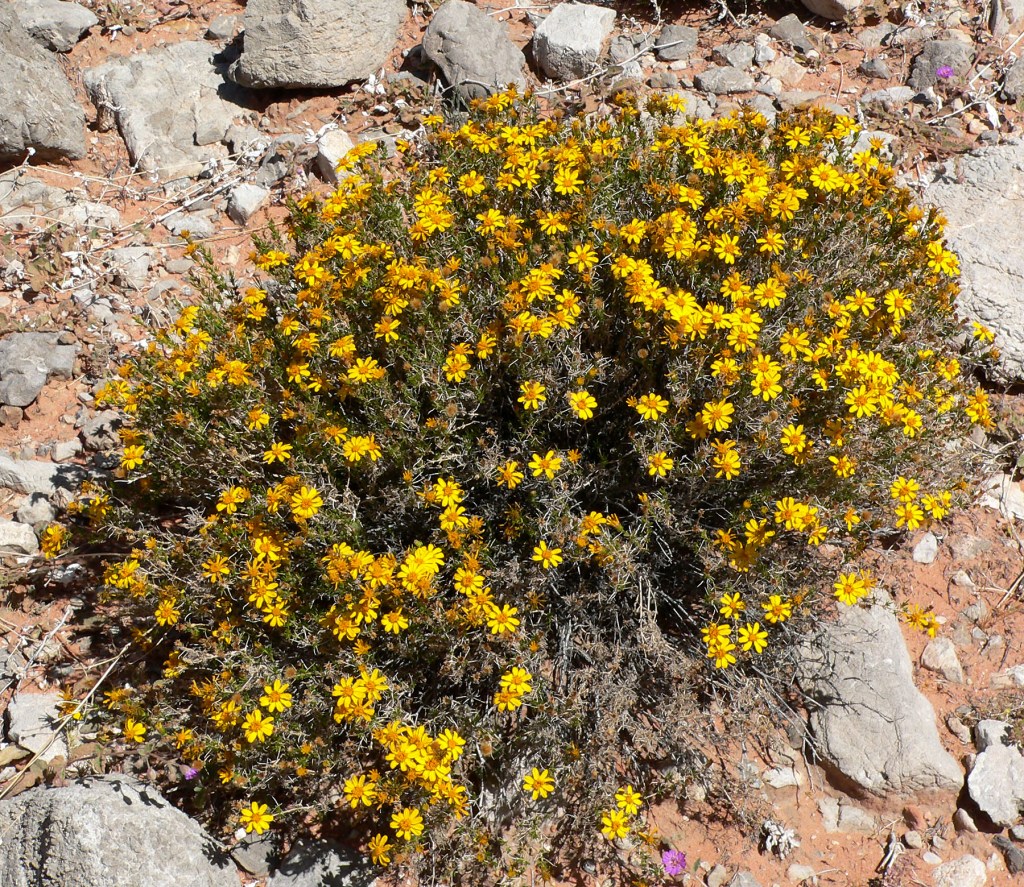
Thymophylla acerosa — Pricklyleaf Dogweed
Thymophylla acerosa, commonly known as Pricklyleaf Dogweed, is a resilient desert plant characterized by feathery silver-gray foliage and bright yellow, daisy-like flowers; its ability to thrive in harsh, arid conditions and its charming floral display make it a valuable addition to xeriscapes and rock gardens.
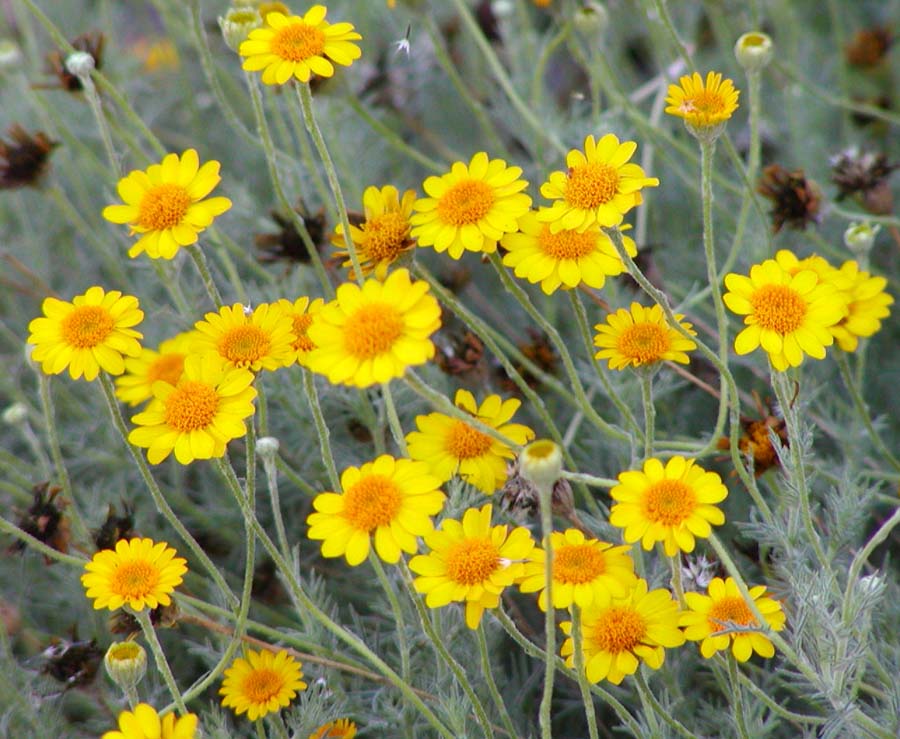
Thymophylla pentachaeta — Fiveneedle Pricklyleaf
Thymophylla pentachaeta, also known as Fiveneedle Pricklyleaf, is a desert-adapted plant featuring delicate, fern-like leaves and cheerful yellow, daisy-like flowers; its fine-textured foliage and vibrant blooms make it a charming choice for adding a touch of color and texture to arid landscapes.
Verbena rigida — Sand Paper Verbena
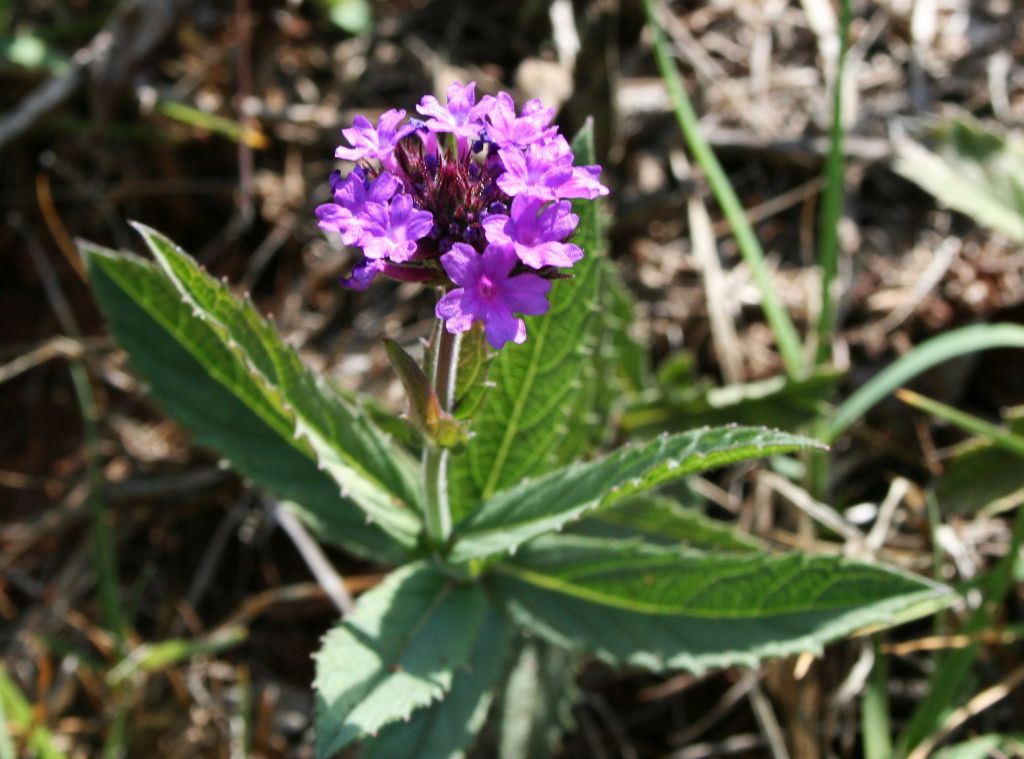
Verbena rigida, commonly known as Sand Paper Verbena, is a hardy perennial with rough-textured, gray-green leaves and clusters of vibrant purple flowers; its resilience, drought tolerance, and colorful blooms make it a versatile and eye-catching addition to dry gardens, providing a burst of color and texture.
Zauschneria californica — California Fuchsia
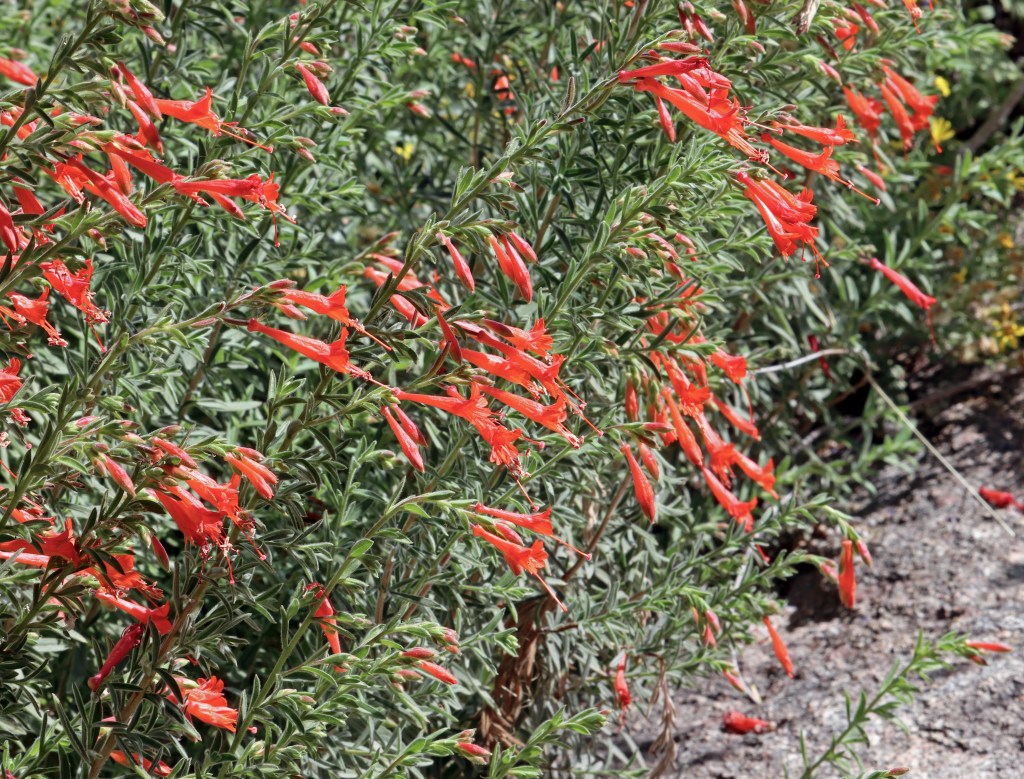
Zauschneria californica, often referred to as California Fuchsia, showcases bright red tubular flowers that attract hummingbirds, set against silvery-green foliage; this drought-tolerant perennial creates a striking contrast and provides a nectar source for pollinators, making it an excellent choice for water-wise gardens.
 Desert Gardener