Growing and selecting ornamental grasses offers an opportunity to infuse landscapes with a diverse range of textures, colors, and forms. These versatile plants bring a captivating allure to gardens, with their graceful swaying in the wind, architectural shapes, and dynamic seasonal changes. Whether seeking a dramatic focal point, a soft backdrop, or a resilient groundcover, ornamental grasses can be tailored to fit various garden styles, from formal to naturalistic. With an array of sizes, colors, and growth habits to choose from, gardeners can craft visually striking and environmentally beneficial landscapes by carefully considering each grass’s unique attributes and selecting varieties that best suit their aesthetic preferences and regional conditions.
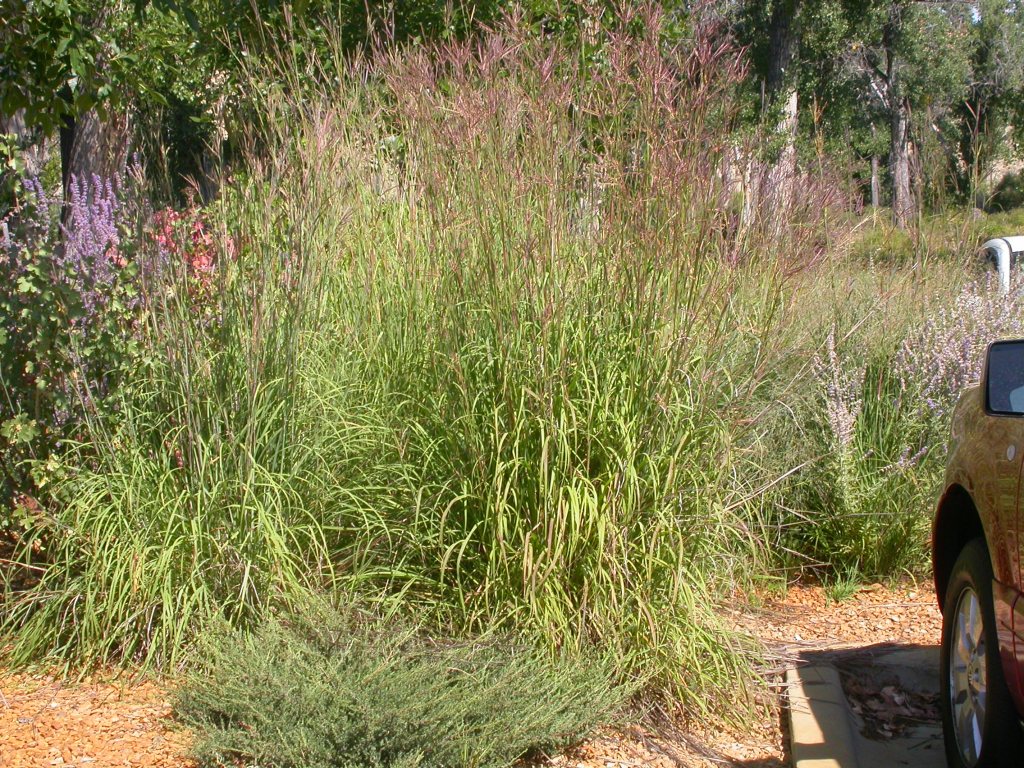
Big Bluestem — Andropogon gerardii
Big Bluestem (Andropogon gerardii) stands tall with its elegant, feathery seed heads and attractive blue-green foliage, adding a touch of native prairie charm and vertical interest to ornamental landscapes.
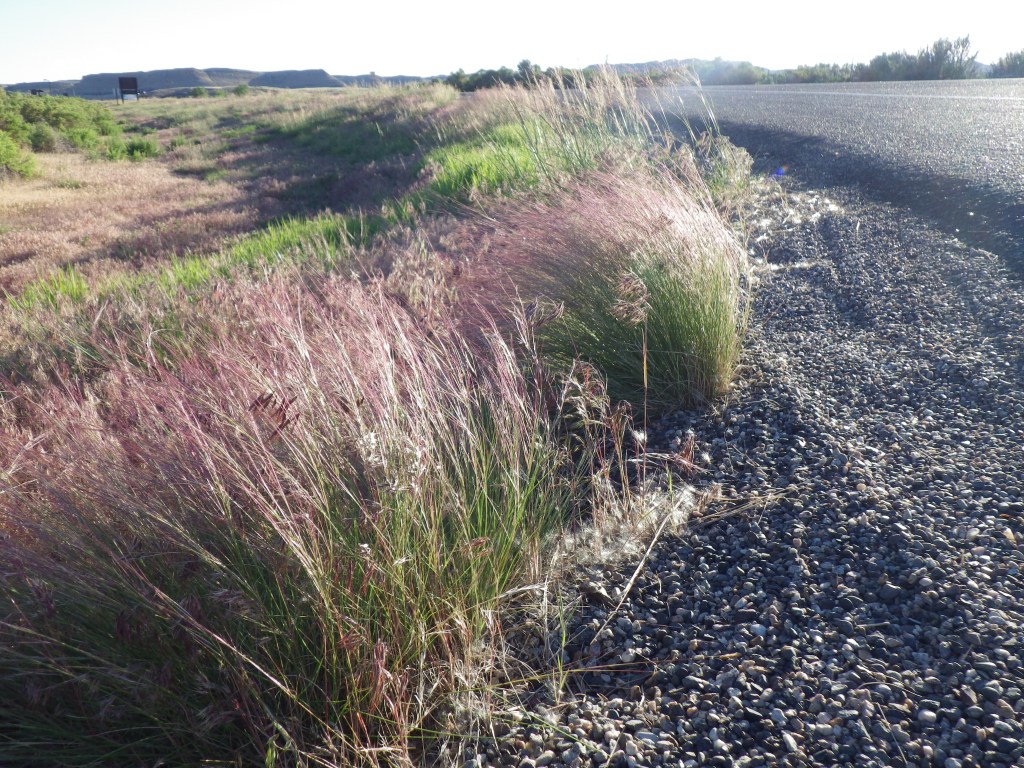
Purple Three-Awn — Aristida purpurea
Purple Three-Awn (Aristida purpurea) graces the landscape with its slender, purple-tinged inflorescences and delicate appearance, offering a subtle yet enchanting element to garden designs.
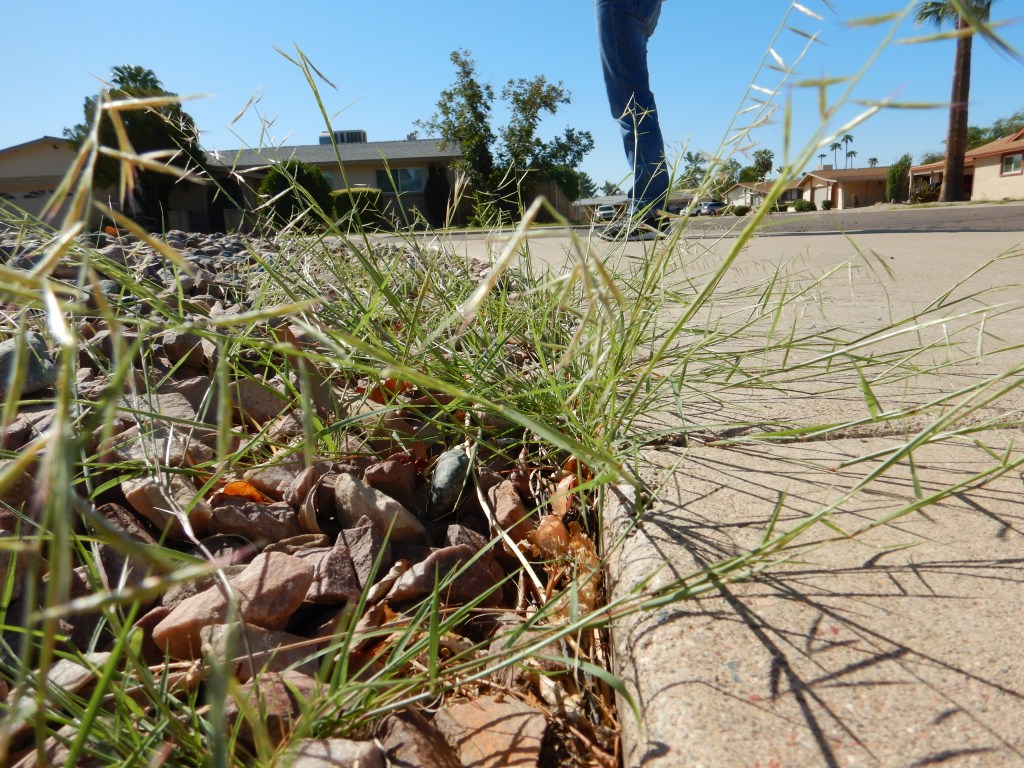
Cane Bluestem — Bothriochloa barbinodis
Cane Bluestem (Bothriochloa barbinodis) presents gracefully arching stems adorned with feathery seedheads that sway in the breeze, bestowing a graceful and dynamic dimension to ornamental landscapes.

Needle Grama — Bouteloua aristidoides
In a xeriscape garden, Needle Grama (Bouteloua aristidoides) can be strategically placed to create textural diversity, its fine, upright foliage serving as a gentle backdrop to showcase other succulents and desert plants, while its airy seedheads add a delicate visual contrast and movement to the landscape.
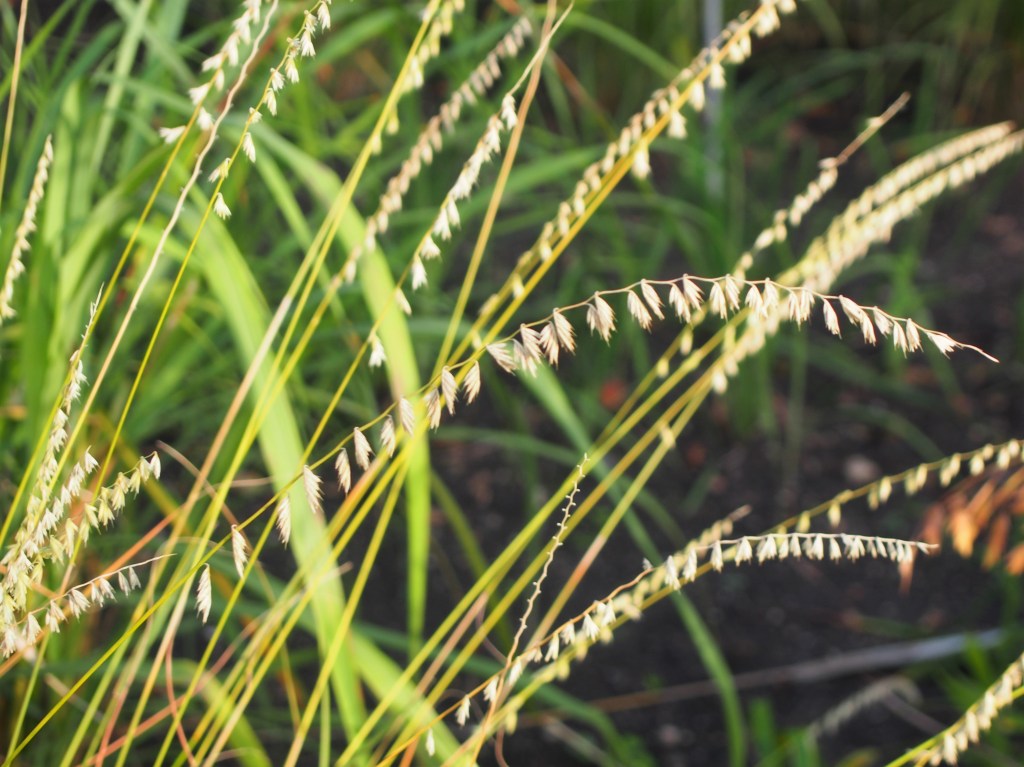
Sideoats Grama — Bouteloua curtipendula
Sideoats Grama (Bouteloua curtipendula) brings an elegant touch to the landscape with its distinctive oat-like seed spikes that gracefully hang from one side of the stems, adding visual interest and a unique charm to native and xeriscape gardens.
Blue Grama — Bouteloua gracilis
Blue Grama (Bouteloua gracilis) graces the landscape with its delicate, nodding seedheads and fine-textured foliage, infusing a sense of grace and natural beauty into native and xeriscape gardens.
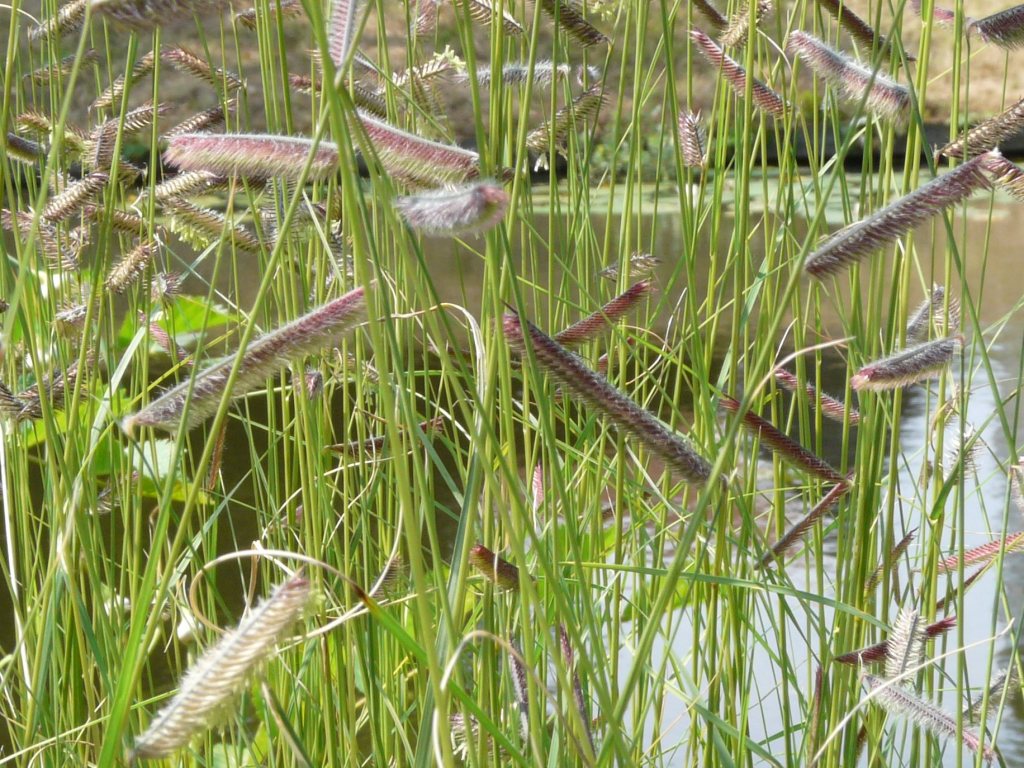
Low Woollygrass — Dasyochloa pulchella
Low Woollygrass (Dasyochloa pulchella) serves as a valuable groundcover option, its soft, silvery leaves forming a dense carpet that suppresses weeds and adds a touch of silvery allure to arid landscapes.
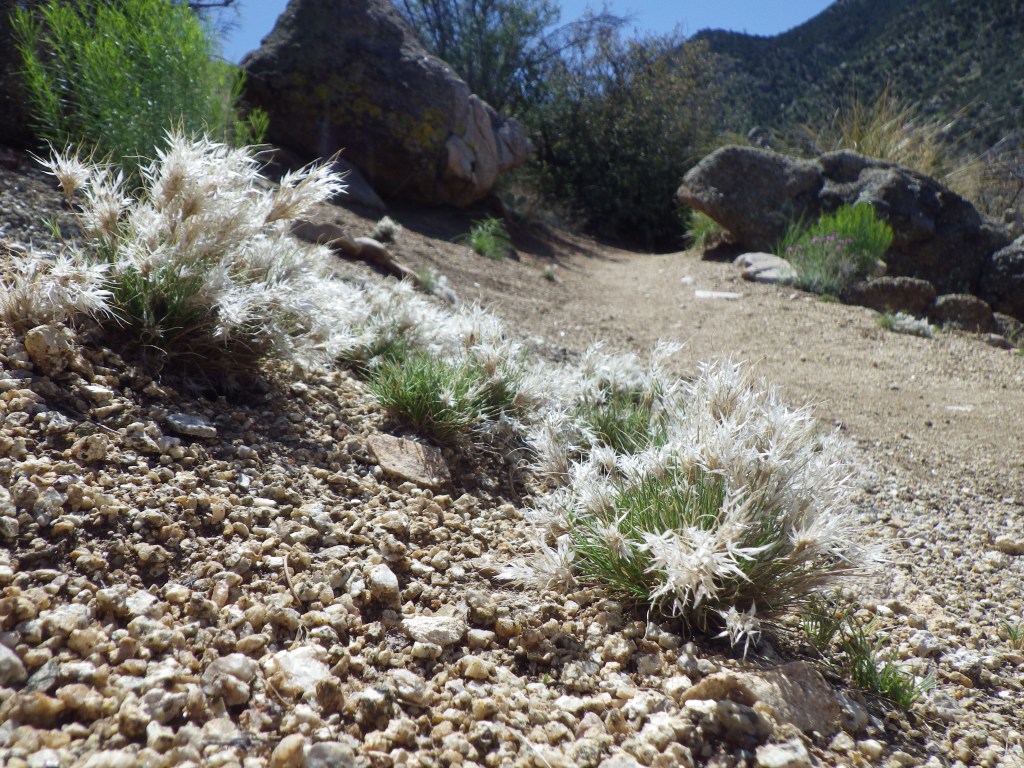
Arizona Cottontop — Digitaria californica
Arizona Cottontop (Digitaria californica) features airy, white seedheads resembling cotton tufts atop slender stems, creating a delicate and ethereal appearance in the landscape, and is a versatile addition to native gardens and naturalistic settings.
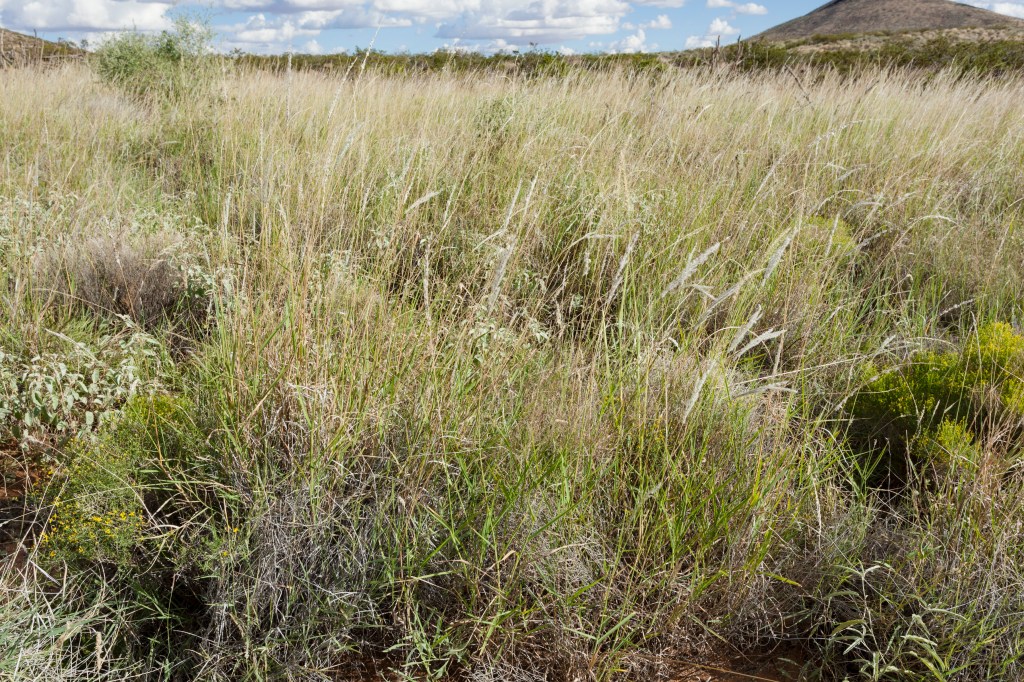
Big Galleta — Hilaria rigida
Big Galleta (Hilaria rigida) forms dense clumps of rigid, bluish-green leaves and produces distinctive seedheads, resembling oats, which contribute to its unique textural qualities and make it a valuable grass for erosion control and naturalistic landscapes.
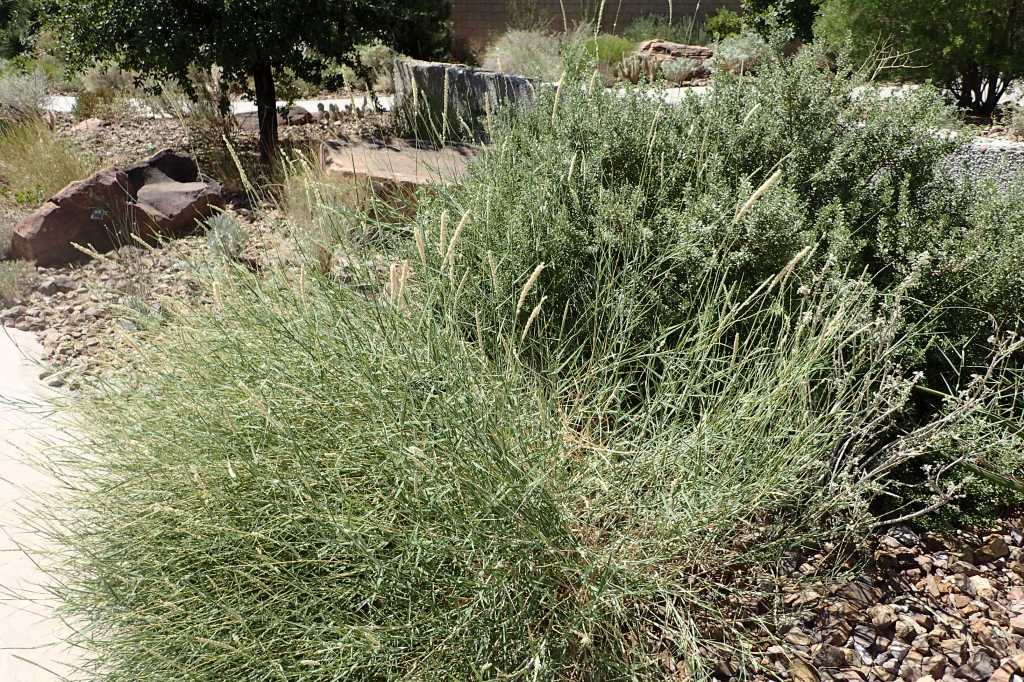
Gulf Muhly — Muhlenbergia capillaris
Gulf Muhly (Muhlenbergia capillaris) delights with its airy and feathery pink to purple flower stems that sway gracefully in the breeze, infusing a touch of elegance and movement into the garden.
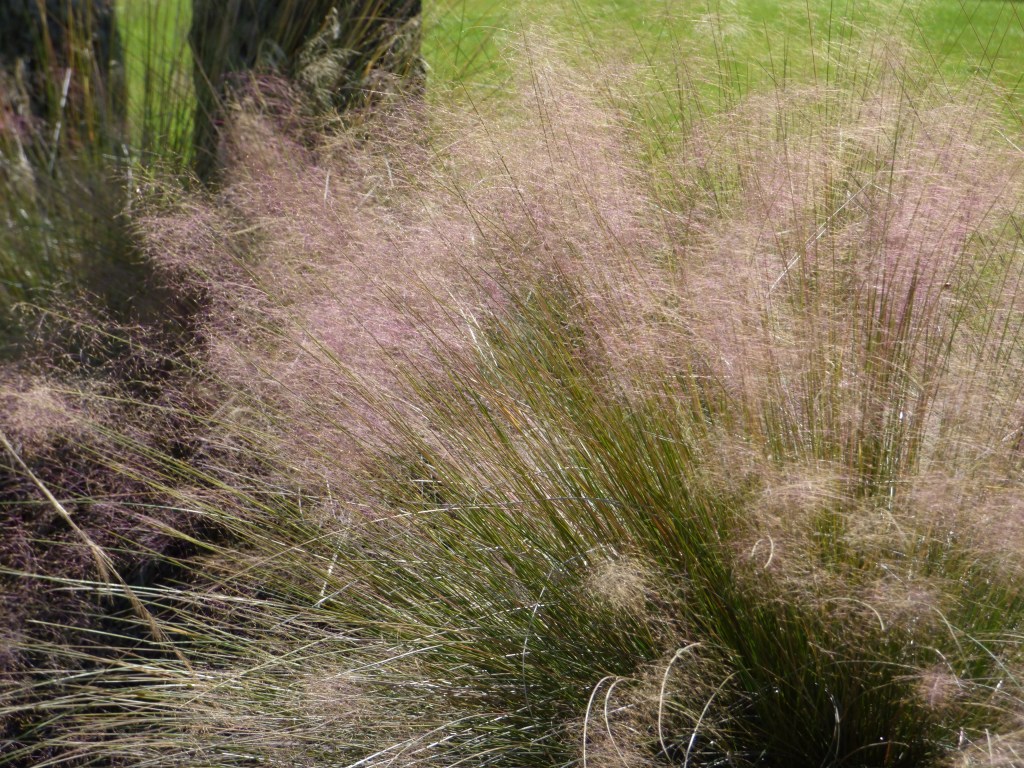
Bamboo Muhly — Muhlenbergia dumosa
In a garden setting, Bamboo Muhly (Muhlenbergia dumosa) creates a striking visual with its dense clumps of slender, bamboo-like stems and tufted foliage, adding a unique and eye-catching architectural element to landscapes while requiring minimal water and maintenance.
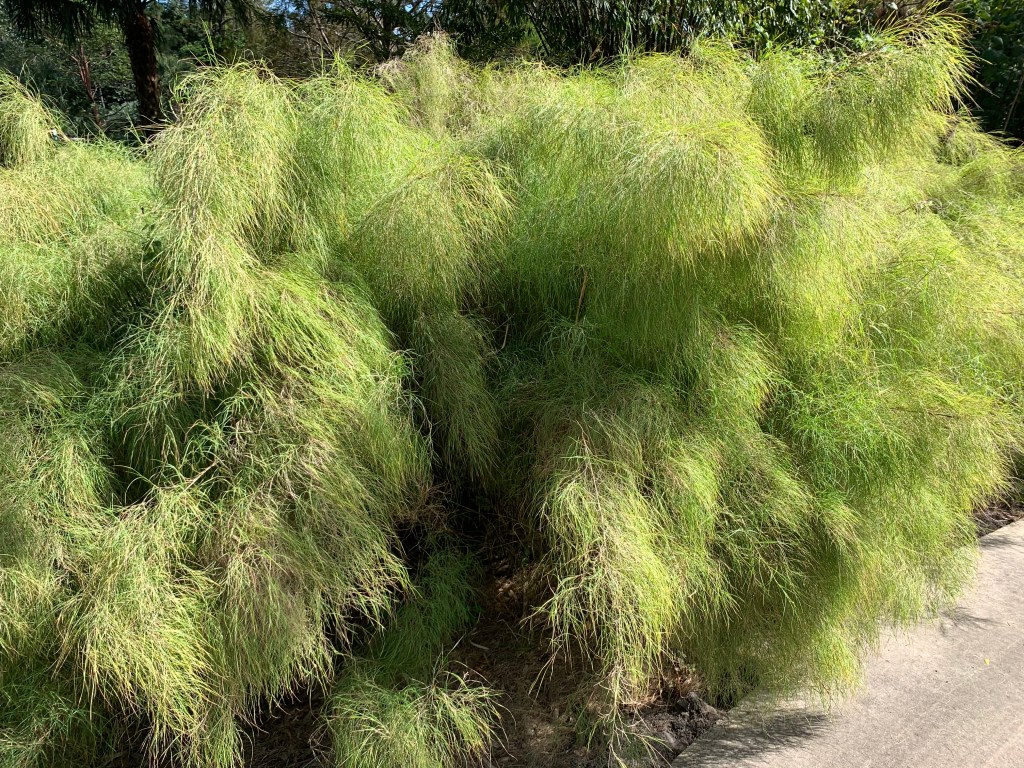
Bullgrass — Muhlenbergia emersleyi
Bullgrass (Muhlenbergia emersleyi) brings a rugged charm to garden landscapes with its tufted, bluish-gray leaves and wispy seedheads that stand tall, evoking a sense of wild beauty while providing a resilient and native touch to arid and naturalistic gardens.
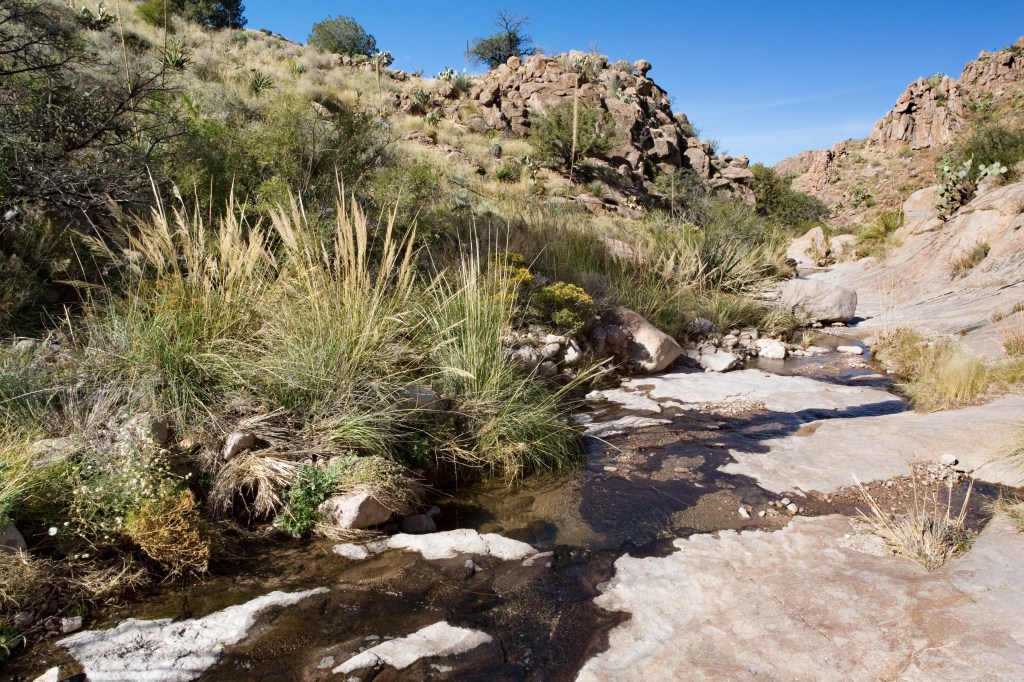
Lindheimer’s Muhly — Muhlenbergia lindheimeri
Lindheimer’s Muhly (Muhlenbergia lindheimeri) graces gardens with its graceful, fountain-like form and airy, pink to purple flower plumes, adding a touch of elegance and movement to the landscape.
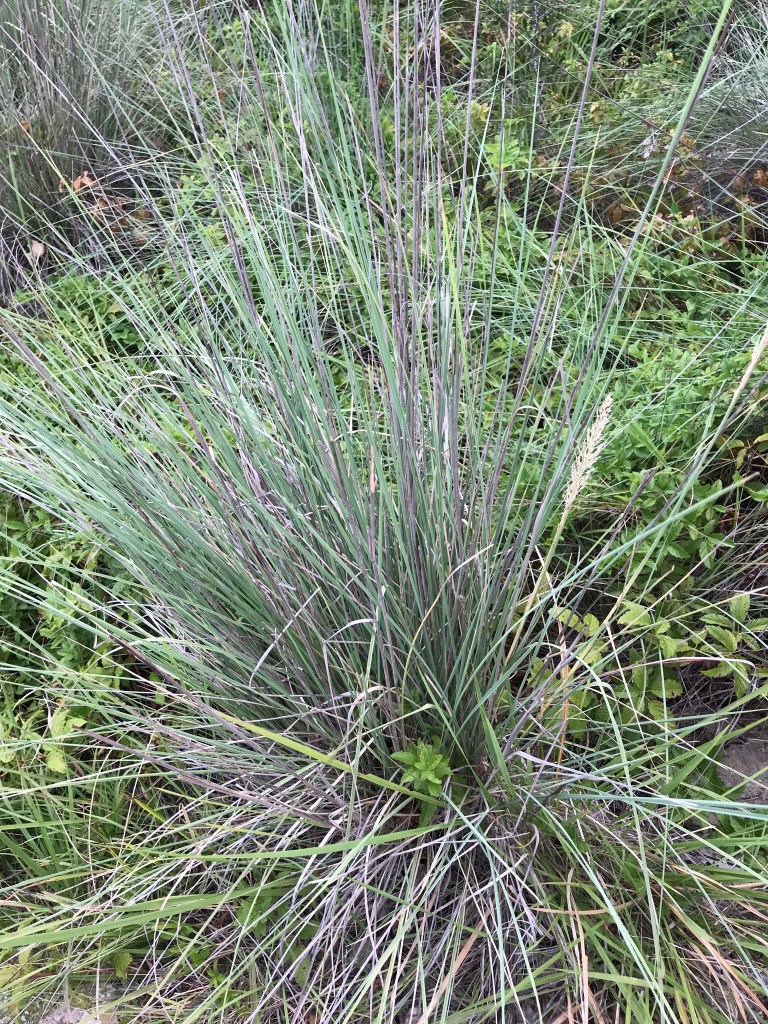
Bush Muhly — Muhlenbergia porteri
Bush Muhly (Muhlenbergia porteri) features dense clumps of blue-green foliage and produces airy, feathery seedheads, creating a pleasing textural contrast in dry gardens while also serving as an excellent choice for erosion control and adding a naturalistic touch to the landscape.

Deergrass — Muhlenbergia rigens
Deergrass (Muhlenbergia rigens) boasts elegant, arching leaves and tall, feathery flower spikes that provide a soft, graceful presence in gardens, and in autumn, its foliage takes on warm, golden hues, adding a captivating seasonal dimension to the landscape.
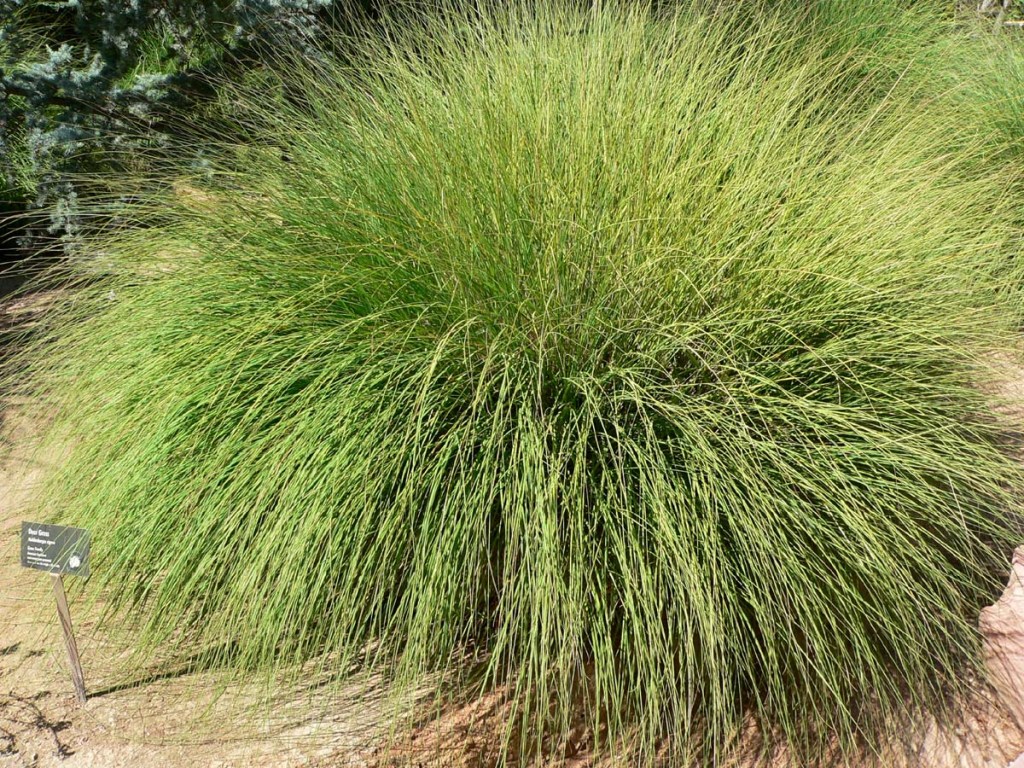
Mexican Feather Grass — Nassella tenuissima
Mexican Feather Grass (Nassella tenuissima) graces garden landscapes with its delicate, fine-textured foliage and graceful, wispy seedheads that dance in the wind, imbuing a sense of movement and ethereal beauty while offering a captivating addition to xeriscapes and naturalistic settings.

Purple Fountain Grass — Pennisetum setaceum ‘Cupreum’
Purple Fountain Grass (Pennisetum setaceum ‘Cupreum’) showcases stunning burgundy-red foliage and feathery flower spikes, making it a vibrant and eye-catching accent plant for landscapes, often used in borders, containers, or as focal points, adding a touch of bold color and texture to garden designs.

Large-Spike Bristlegrass — Setaria macrostachya
Large-Spike Bristlegrass (Setaria macrostachya) features striking, long, nodding flower spikes that create a dramatic visual display, adding both texture and movement to the landscape, making it an intriguing choice for naturalistic and native gardens.
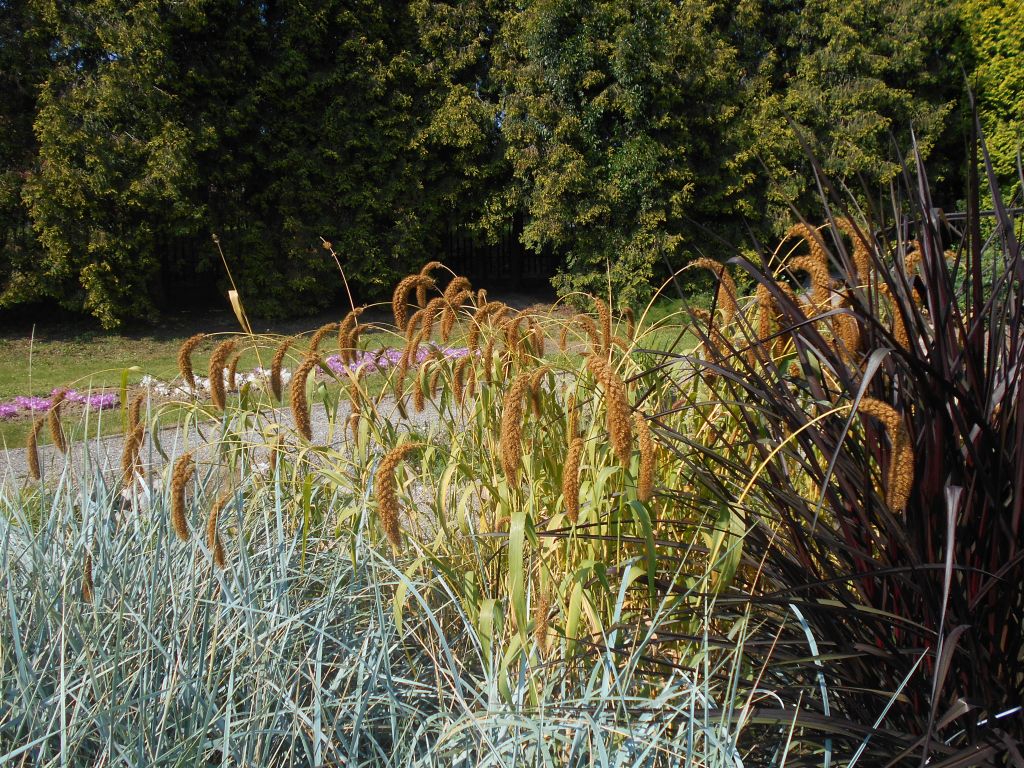
Alkali Sacaton — Sporobolus airoides
Alkali Sacaton (Sporobolus airoides) presents an elegant appearance with its fine-textured, blue-green foliage and airy flower plumes that create a graceful, ethereal effect in landscapes, while its ability to tolerate saline soils makes it a valuable choice for xeriscapes and challenging environments.
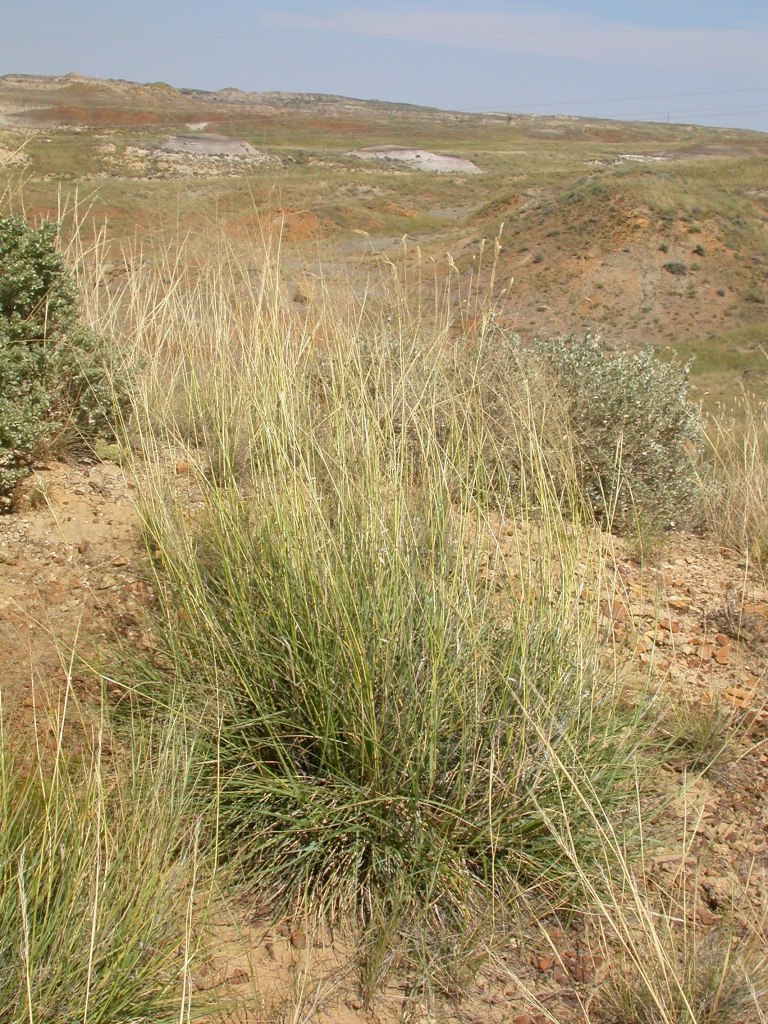
Sand Dropseed — Sporobolus cryptandrus
Sand Dropseed (Sporobolus cryptandrus) showcases slender, arching leaves and airy flower clusters, providing a naturalistic touch to wild gardens; it can be used to evoke a sense of native meadow by planting in drifts or mixed with other grasses and wildflowers to create a dynamic and ecologically diverse landscape.
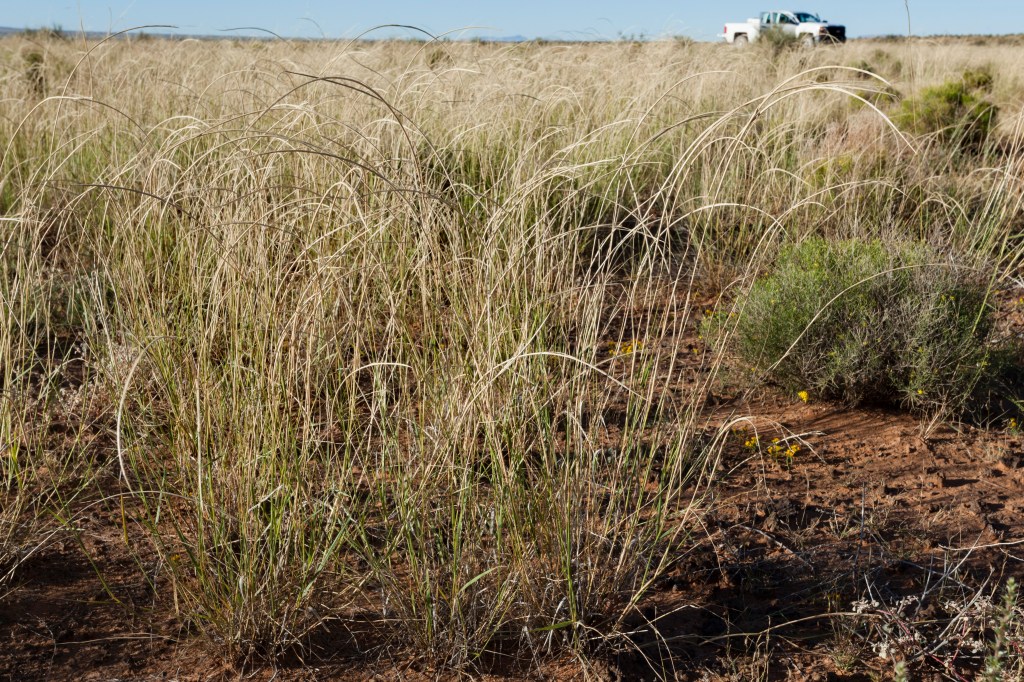
Big Sacaton — Sporobolus wrightii
Big Sacaton (Sporobolus wrightii) features tall, stout stems adorned with striking, silvery-blue foliage and feathery flower plumes that can reach impressive heights, often exceeding 6 feet, adding a commanding vertical presence and ornamental allure to native and xeriscape gardens.
 Desert Gardener