Native Tree
Acacia berlandieri – Guajillo
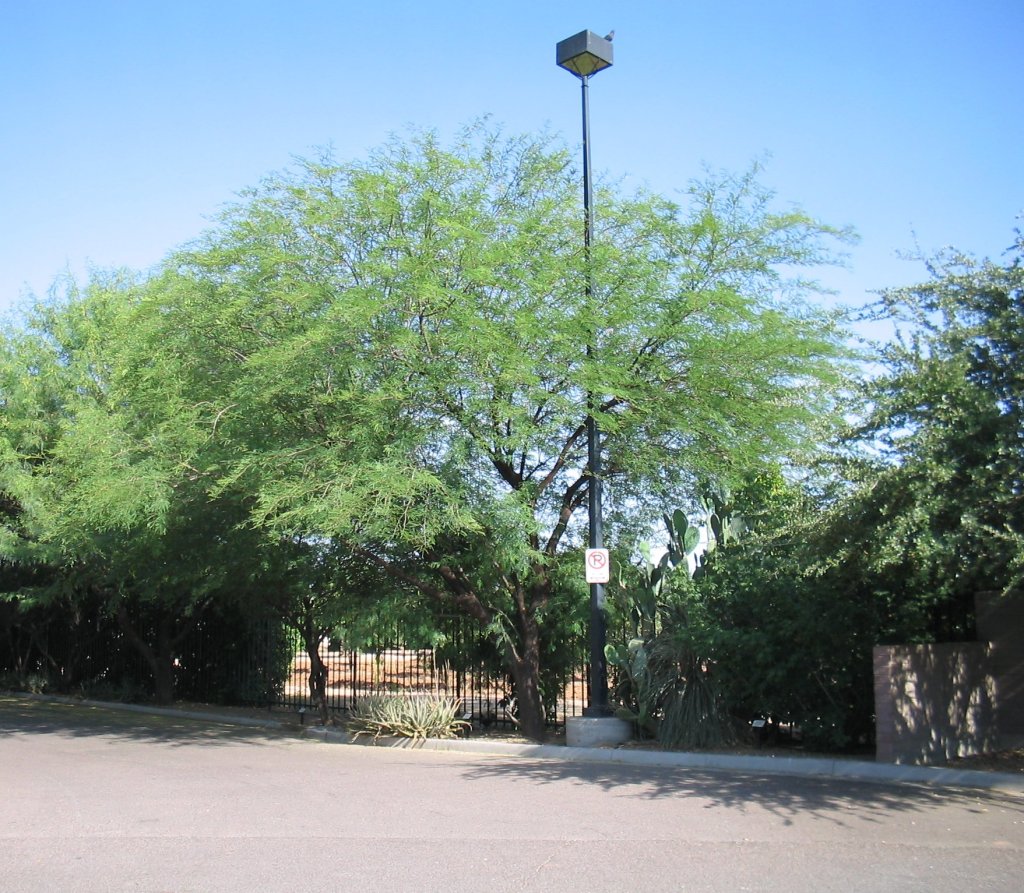
Acacia berlandieri – Guajillo
Acacia berlandieri is a species of acacia native to the southwestern United States and northern Mexico. This deciduous shrub or small tree belongs to the Fabaceae family and is cherished for its delicate foliage, aromatic flowers, and adaptability to various garden settings. Its intriguing features and historical significance make it a captivating choice for gardeners and homeowners alike.
Botanical Description
Acacia berlandieri, also known as Guajillo or Guayacán, is a botanical marvel with a unique combination of features that make it a standout addition to any garden or landscape.
- Size: This versatile plant typically grows to a height ranging from 6 to 15 feet (1.8 to 4.6 meters) and has a similar spread. Its size is manageable, making it suitable for a variety of landscape settings. Whether you have a small garden or a spacious yard, Acacia berlandieri can find its place with ease.
- Foliage: The leaves of Acacia berlandieri are pinnate, meaning they are composed of multiple leaflets arranged in a feather-like pattern. These small, gray-green leaflets create a graceful and airy appearance. Their delicate texture adds a sense of sophistication to the plant, making it an attractive choice for those who appreciate fine foliage.
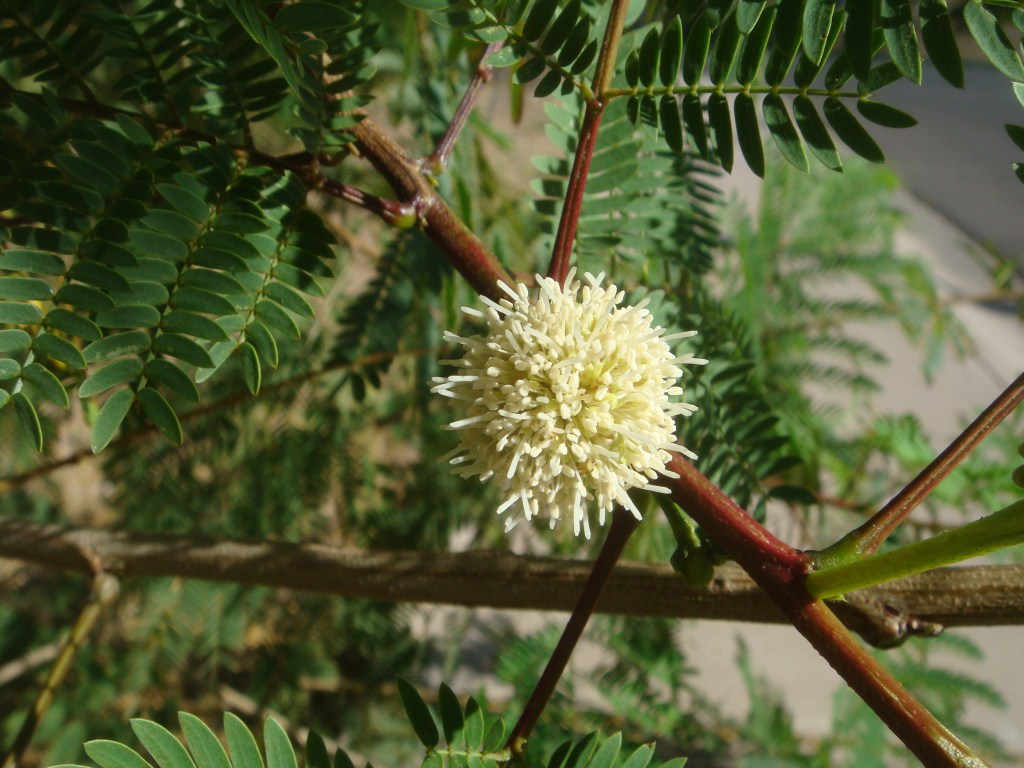
- Flowers: Perhaps one of the most captivating aspects of Acacia berlandieri is its stunning display of flowers. In the spring, this plant bursts into life with clusters of fragrant, spherical yellow flowers. These blossoms not only provide a visual spectacle but also emit a sweet fragrance that acts as a magnet for pollinators such as bees and butterflies. The sight and scent of these blooms can transform your garden into a haven for beneficial insects.
- Fruit: Following the springtime flowering extravaganza, Acacia berlandieri produces small, slender pods. These pods contain seeds and add an interesting dimension to the plant’s overall appearance. While not as showy as the flowers, the pods contribute to the plant’s charm and are a testament to its adaptability and reproductive prowess.
- Bark: The bark of Acacia berlandieri is another noteworthy feature. Smooth and gray, it provides an elegant contrast to the plant’s vibrant foliage and vibrant blooms. The bark’s subtle, neutral color allows it to blend seamlessly with various garden design schemes, making it a versatile addition to both traditional and contemporary landscapes.
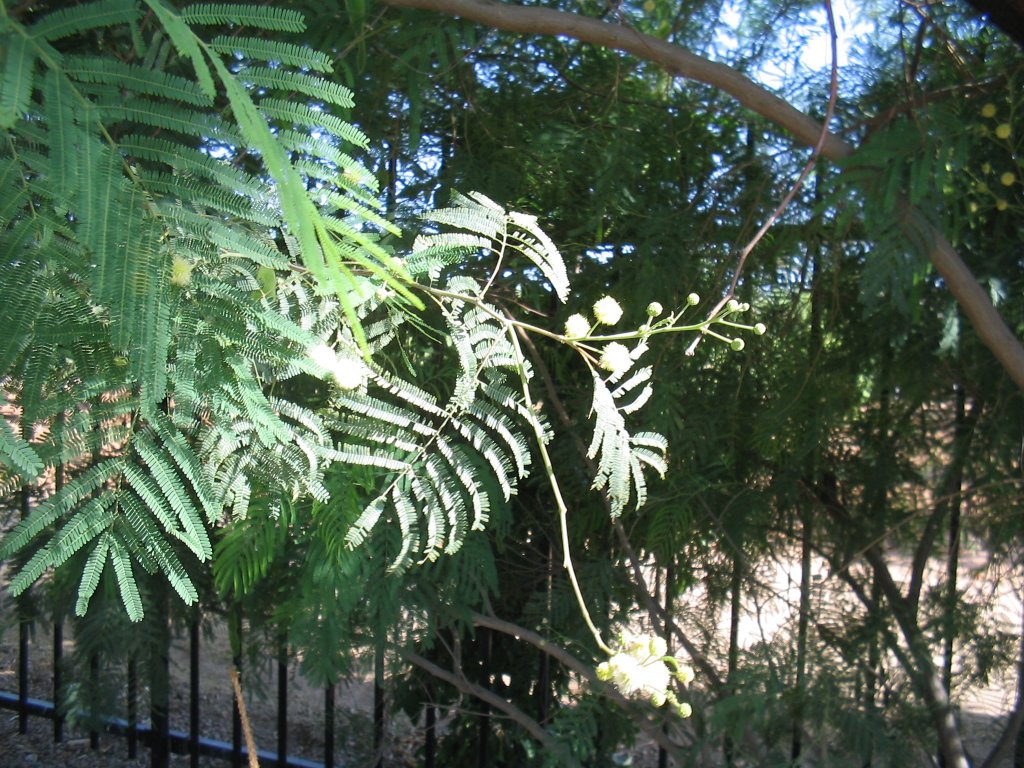
In summary, Acacia berlandieri’s botanical description is a harmonious blend of size, foliage, flowers, fruit, and bark. Its size and form make it adaptable to different garden sizes, while its delicate pinnate leaves, fragrant yellow flowers, unique seed pods, and smooth gray bark contribute to its aesthetic appeal and desirability for gardeners and homeowners.
USDA Climate Zone
Acacia berlandieri is well-suited for USDA hardiness zones 7 to 11. It thrives in warm and arid climates, making it an ideal choice for regions with hot summers and mild winters.
Acacia berlandieri is primarily found in lower elevations in its native range. It is typically encountered in regions with elevations ranging from sea level up to about 4,000 feet (approximately 0 to 1,220 meters) above sea level. This species is well-suited to arid and semi-arid environments, including desert scrublands and lower elevation areas in southwestern United States and northern Mexico. It thrives in these conditions, which are characterized by warm temperatures and relatively low elevations.
Historical and Cultural Significance
This species has a rich history in indigenous cultures, where it was used for medicinal, culinary, and ceremonial purposes. The plant’s bark and leaves were employed in traditional remedies for various ailments, while the seeds were ground into a flour for making bread. Its fragrant flowers also held cultural significance in many indigenous ceremonies.
Planting and Care
Planting
Planting Acacia berlandieri is the first step to ensure the success of this remarkable species in your garden or landscape. Paying careful attention to site selection, spacing, and soil preparation is essential for promoting healthy growth and vitality.
- Site Selection: The choice of the planting location is a critical factor in the well-being of Acacia berlandieri. Opt for a spot that receives ample sunlight throughout the day. Full sunlight exposure is ideal, as it allows the plant to photosynthesize efficiently and develop its distinctive foliage and vibrant flowers to their full potential. Inadequate sunlight can lead to leggy growth and reduced flowering. Moreover, ensure that the selected site has well-drained soil to prevent waterlogged roots, which can be detrimental to the plant’s health. Acacia berlandieri thrives in arid and semi-arid climates, making it resilient to drought conditions, but it still requires proper drainage for optimal growth.
- Spacing: If you plan to plant multiple Acacia berlandieri specimens, it is essential to provide adequate spacing between them. Allow for a spacing of 6 to 8 feet (1.8 to 2.4 meters) between individual plants. This generous spacing ensures that each plant has ample room to grow, spread its branches, and develop a healthy canopy without competing with neighboring plants. Proper spacing also facilitates air circulation, reducing the risk of fungal diseases and promoting a more balanced growth pattern.
- Soil Preparation: Before planting Acacia berlandieri, invest some time in preparing the soil to provide the best possible growing conditions. Begin by assessing the soil’s quality. If you have heavy clay soil, consider amending it with organic matter, such as well-rotted compost or aged manure. The addition of organic matter not only improves soil fertility but also enhances drainage. Mix the organic matter thoroughly with the native soil to create a suitable planting bed. Properly amended soil will not only help with water retention and root development but also promote overall plant health.
In conclusion, successful planting of Acacia berlandieri involves careful site selection, ensuring full sunlight exposure and well-drained soil. Adequate spacing between plants and proper soil preparation are also crucial components of ensuring that this remarkable species thrives and adds beauty to your garden or landscape. By following these guidelines, you can create an environment in which Acacia berlandieri can flourish and showcase its unique attributes to their fullest extent.
Care
Caring for your Acacia berlandieri is essential to ensure its long-term health and vitality. This resilient species can thrive in various conditions, but providing the right care will help it reach its full potential and continue to beautify your garden or landscape.
- Watering: Acacia berlandieri is known for its drought tolerance, which is a valuable trait in arid and semi-arid regions. Once established, this plant can withstand dry spells with minimal water. However, during the first year after planting, it’s crucial to provide regular watering to help the plant establish a robust root system. Water deeply but infrequently, allowing the soil to dry out slightly between watering sessions. This encourages the roots to grow deeper and become more resilient to drought. Once established, you can gradually reduce the frequency of watering, keeping in mind that occasional deep watering is preferable to frequent shallow watering.
- Fertilization: To promote healthy growth and overall vigor, consider applying a balanced, slow-release fertilizer in the spring. This provides the plant with essential nutrients for the growing season. Choose a fertilizer with a balanced NPK (nitrogen, phosphorus, potassium) ratio, suitable for woody plants. Follow the manufacturer’s recommendations for application rates, as over-fertilization can be harmful to the plant. Applying fertilizer in early spring when the plant is actively growing will encourage robust foliage and vibrant flowering.
- Mulching: Mulching around the base of your Acacia berlandieri offers several benefits. A layer of organic mulch, such as wood chips or compost, helps retain soil moisture by reducing evaporation. This is especially beneficial in dry climates where water conservation is essential. Mulch also acts as a natural weed suppressant, minimizing competition for nutrients and reducing the need for weeding. Additionally, as the mulch breaks down, it contributes organic matter to the soil, enhancing its fertility over time. Apply a 2-3 inch (5-7.6 cm) layer of mulch around the plant, taking care to keep it away from the base to prevent rot.
- Pruning: Light pruning of your Acacia berlandieri can be performed in late winter or early spring. This is an opportune time to shape the plant and remove any dead or damaged branches. Pruning not only improves the plant’s appearance but also encourages healthy growth by stimulating new shoots and maintaining an open canopy. Be cautious not to over-prune, as this can reduce the plant’s ability to produce flowers. Instead, focus on selective pruning to maintain the desired shape and remove any weak or unhealthy growth.
In conclusion, caring for your Acacia berlandieri involves thoughtful watering, proper fertilization, mulching, and occasional pruning. These measures will not only ensure the plant’s well-being but also allow it to thrive, showcasing its unique attributes and contributing to the beauty of your garden or landscape. With the right care, your Acacia berlandieri can be a resilient and stunning addition to your outdoor space.
Propagation
Propagating Acacia berlandieri is a rewarding endeavor that allows you to expand your garden with new plants or share the beauty of this species with others. There are two primary methods for propagating Acacia berlandieri: from seeds and from cuttings. Each method has its own set of procedures and considerations.
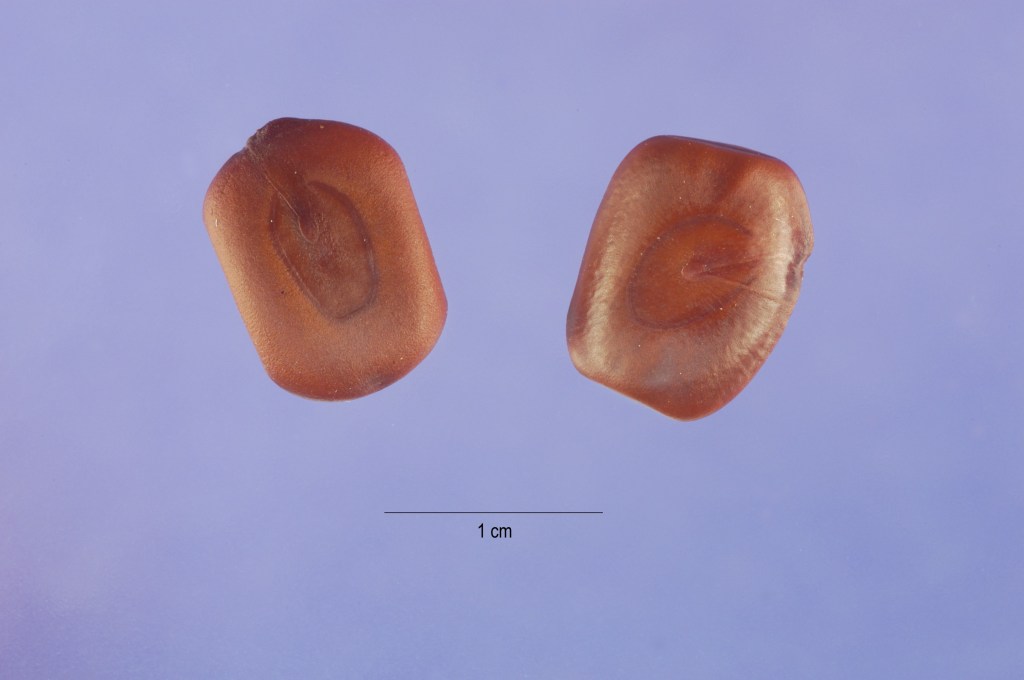
- Propagation from Seeds:
- Seed Collection: The process of propagating Acacia berlandieri from seeds begins with collecting seeds from mature plants. Harvest the seeds from the pods once they have ripened and turned brown. It’s crucial to ensure that the seeds are fully mature and have hardened. Immature seeds may not germinate successfully, so exercise patience and wait until the pods are ready for harvesting.
- Seed Preparation: Before planting, it’s beneficial to scarify the seeds or soak them in hot water to improve germination rates. Scarification involves gently nicking or scratching the seed coat to allow water to penetrate and initiate germination. Alternatively, you can soak the seeds in hot water (not boiling) for a few hours to soften the seed coat. This mimics the natural process of seeds being scarified by the heat of wildfires in their native habitat, increasing the likelihood of successful germination.
- Planting: Plant the prepared seeds in a well-draining seed-starting mix or sandy soil. Plant them at a depth of approximately 1/4 to 1/2 inch (0.6 to 1.3 cm). Ensure that the soil remains consistently moist but not waterlogged during the germination period.
- Germination: Acacia berlandieri seeds typically germinate within a few weeks to a couple of months, depending on environmental conditions. To encourage germination, maintain a warm and consistently moist environment. You can use a greenhouse or a protected area to provide the ideal conditions for the young seedlings.
- Propagation from Cuttings:
- Cutting Selection: To propagate Acacia berlandieri from cuttings, select semi-hardwood or hardwood stems. Semi-hardwood stems are slightly woody but still flexible and are typically found in late summer to early autumn. Hardwood stems are fully woody and are suitable for propagation in late autumn or winter when the plant is in a dormant state.
- Cutting Preparation: Take cuttings that are 4 to 6 inches (10 to 15 cm) in length, making sure they have at least one set of leaves. Trim the cutting just below a node, which is the point where leaves or buds attach to the stem. Remove any leaves from the lower portion of the cutting to reduce moisture loss and encourage root development.
- Rooting Hormone: Dip the cut end of the stem in a rooting hormone powder or gel. This helps stimulate root development and increases the chances of successful propagation.
- Planting: Plant the treated cuttings in a well-draining potting mix or a blend of perlite and peat moss. Place the cuttings in the soil, ensuring that one or two nodes are above the surface. Gently press the soil around the cutting to secure it in place.
- Rooting Environment: Provide a warm and humid environment for the cuttings to encourage root development. You can use a propagator or create a makeshift humidity chamber with a plastic bag or plastic wrap to maintain high humidity levels around the cuttings.
- Root Development: Rooting can take several weeks to a few months. Monitor the cuttings for signs of new growth, which indicate successful root development. Once the cuttings have established roots and are showing strong growth, they can be transplanted into larger pots or directly into the garden, following the care guidelines mentioned earlier.
Propagation allows you to multiply the presence of Acacia berlandieri in your garden or share its beauty with others. Whether you choose to propagate from seeds or cuttings, patience and attention to detail will reward you with new plants that can enrich your landscape.
Pests and Diseases
This species is relatively resistant to pests and diseases, but like any plant, it may encounter issues. Keep an eye out for aphids, mealybugs, and scale insects. Proper care and a healthy plant will often deter these pests.
Pruning and Maintenance
Regular pruning helps maintain the desired shape and size of Acacia berlandieri. Remove any dead or diseased branches and perform light shaping pruning as needed. Be cautious not to over-prune, as this can reduce flowering.
Benefits for Gardeners and Homeowners
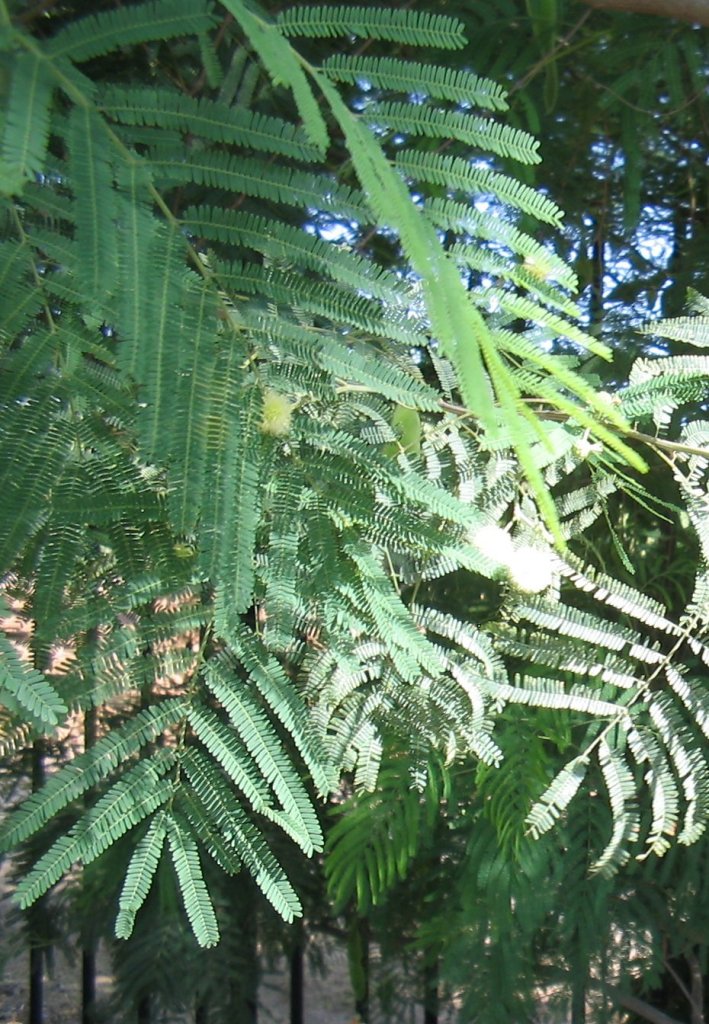
Acacia berlandieri, commonly known as Guajillo or Berlandier’s acacia, offers a range of benefits that make it an attractive addition to gardens and landscapes. Here are some of the advantages that gardeners and homeowners can enjoy when cultivating this beautiful and resilient plant:
- Drought Tolerance: Acacia berlandieri is well-known for its exceptional drought tolerance once it becomes established. This makes it an excellent choice for regions with limited water resources or those prone to drought conditions. Homeowners can conserve water while maintaining a lush and vibrant landscape.
- Low Maintenance: This species requires minimal maintenance once it matures. It is adaptable to a variety of soil types and can thrive in arid and semi-arid environments. Its hardy nature means less time and effort spent on care and maintenance.
- Attractive Appearance: Acacia berlandieri boasts elegant gray-green foliage and clusters of fragrant yellow flowers in the spring. Its graceful, open canopy adds visual interest to your garden or landscape year-round. The smooth gray bark also enhances its aesthetic appeal.
- Wildlife Attraction: The fragrant yellow flowers of Acacia berlandieri attract pollinators such as bees and butterflies, contributing to a biodiverse and thriving ecosystem in your garden. Additionally, the plant’s seeds provide a food source for birds and small mammals.
- Diverse Landscaping Uses: Gardeners and homeowners can use Acacia berlandieri in various landscaping applications. It works well as a stand-alone specimen plant, in mixed shrub borders, or as part of xeriscaping and desert-themed landscapes. Its adaptability allows for creative design possibilities.
- Natural Erosion Control: The deep root system of Acacia berlandieri helps stabilize soil, making it an effective choice for controlling erosion on slopes and hillsides. It helps prevent soil runoff during heavy rainfall, protecting your landscape.
- Natural Screen and Windbreak: Due to its dense canopy and moderate height, Acacia berlandieri can serve as a natural screen or windbreak, providing privacy and protection from strong winds. It creates a more comfortable outdoor environment for homeowners.
- Aromatic Foliage: The gray-green leaves of this plant emit a pleasant fragrance when crushed, enhancing the sensory experience of your garden. This feature can be particularly enjoyable in outdoor seating areas.
- Native Plant Benefits: Acacia berlandieri is native to the southwestern United States and northern Mexico, making it well-suited to local ecosystems. Planting native species like Acacia berlandieri supports local wildlife and promotes biodiversity.
- Resilience: This species is adapted to harsh conditions, including heat and drought, making it resilient to various environmental challenges. Homeowners can rely on its durability to thrive in challenging climates.
Incorporating Acacia berlandieri into your garden or landscape not only adds natural beauty but also offers practical benefits in terms of water conservation, wildlife support, and low maintenance requirements. This versatile plant enhances the overall appeal of your outdoor space while contributing positively to the environment. Whether you’re looking for a water-wise addition or an ornamental focal point, Acacia berlandieri can meet your gardening and landscaping needs.
Potential Concerns for Pets and Children
While Acacia berlandieri is generally safe for pets and children, it’s important to note that the seeds and pods can be toxic if ingested in large quantities. Ensure that children and pets do not consume any parts of the plant.
Benefits for Gardeners and Homeowners
- Drought Tolerance: Requires minimal water once established.
- Low Maintenance: Relatively easy to care for and resistant to pests and diseases.
- Aesthetic Appeal: Offers attractive foliage and fragrant flowers.
- Cultural and Historical Significance: Adds cultural depth to your garden.
Varieties and Cultivars
There are several varieties of Acacia berlandieri, each with unique characteristics. Some popular options include:
- Acacia berlandieri var. berlandieri: The classic variety with fragrant yellow flowers.
- Acacia berlandieri var. subcanescens: Known for its silvery-gray foliage.
- Acacia berlandieri var. fendleri: Features longer leaflets and a more sprawling growth habit.
Final Thoughts
Acacia berlandieri is a treasure for gardeners and homeowners, offering beauty, history, and practicality in one package. With proper care and consideration, this remarkable plant can thrive in your garden, adding a touch of elegance and cultural significance to your landscape.
Resources and References
- Lady Bird Johnson Wildflower Center – Acacia berlandieri
- USDA Natural Resources Conservation Service – Guajillo
- Arizona Native Plant Society – Guajillo
- Texas A&M AgriLife Extension – Guajillo
Related Content
Acacia berlandieri – Guajillo
 Desert Gardener