Native Tree
Acacia farnesiana – Sweet Acacia
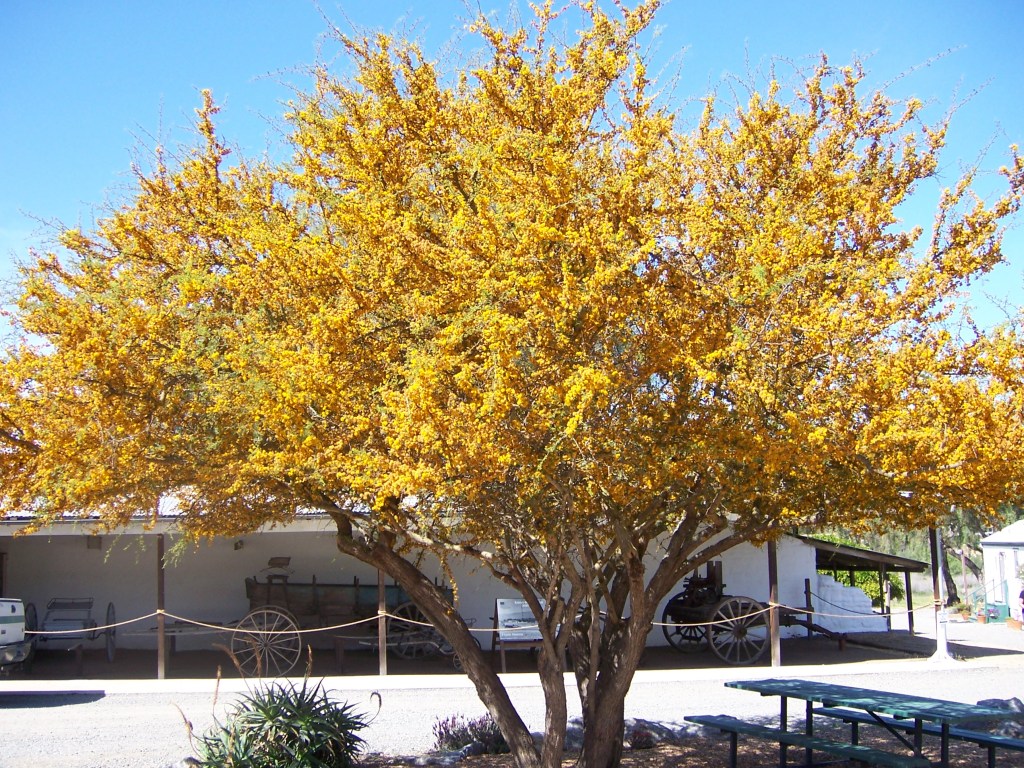
Acacia farnesiana
Acacia farnesiana, commonly known as sweet acacia or huisache, is a highly valued ornamental plant celebrated for its bright yellow blooms and fragrant aroma. This deciduous shrub or small tree can be a striking addition to gardens, bringing year-round interest and a host of benefits.
Acacia farnesiana: An In-depth Botanical Profile
Acacia farnesiana, a member of the Fabaceae family, is a shrub or small tree renowned for its distinct and ornamental features. Here’s a detailed examination of its botanical attributes:
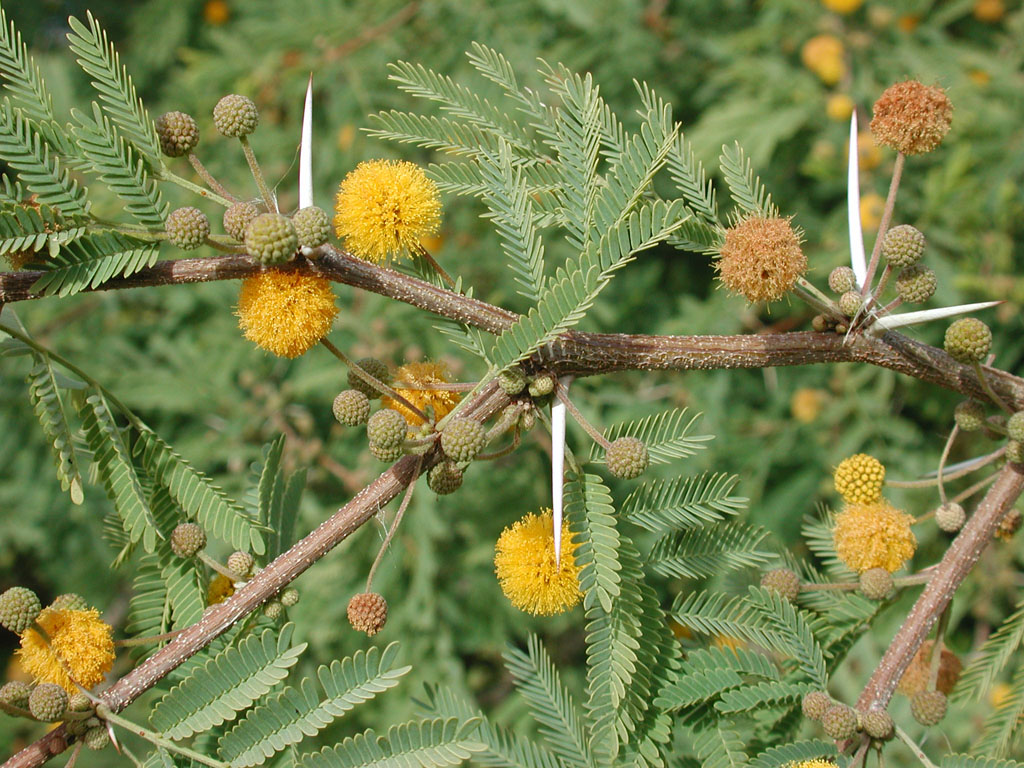
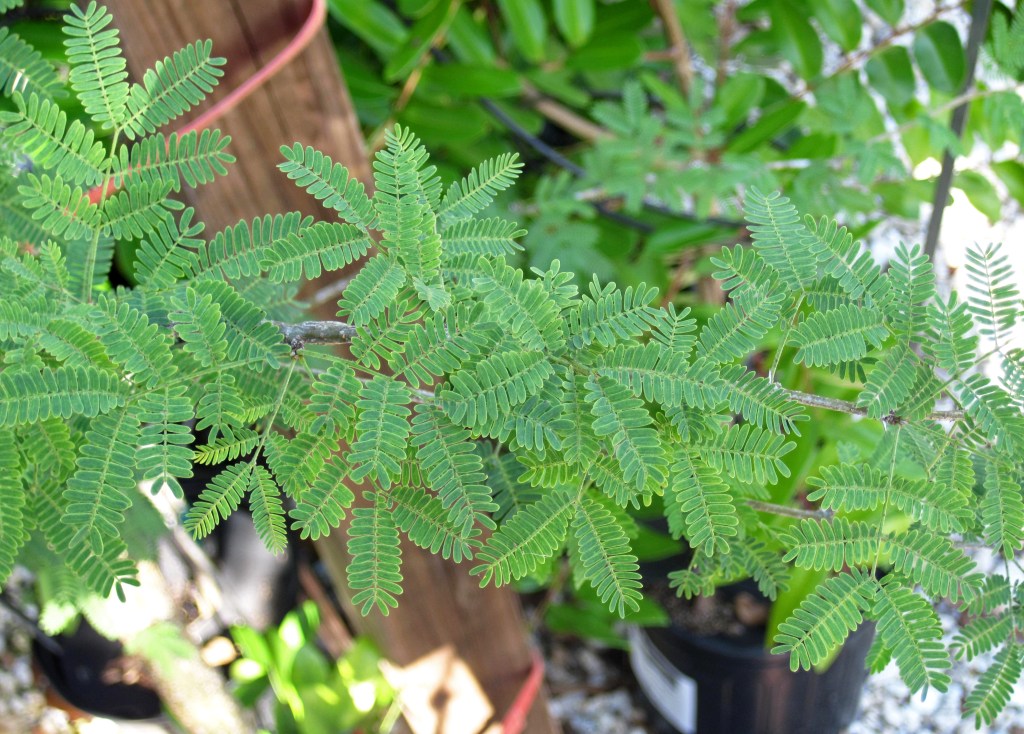
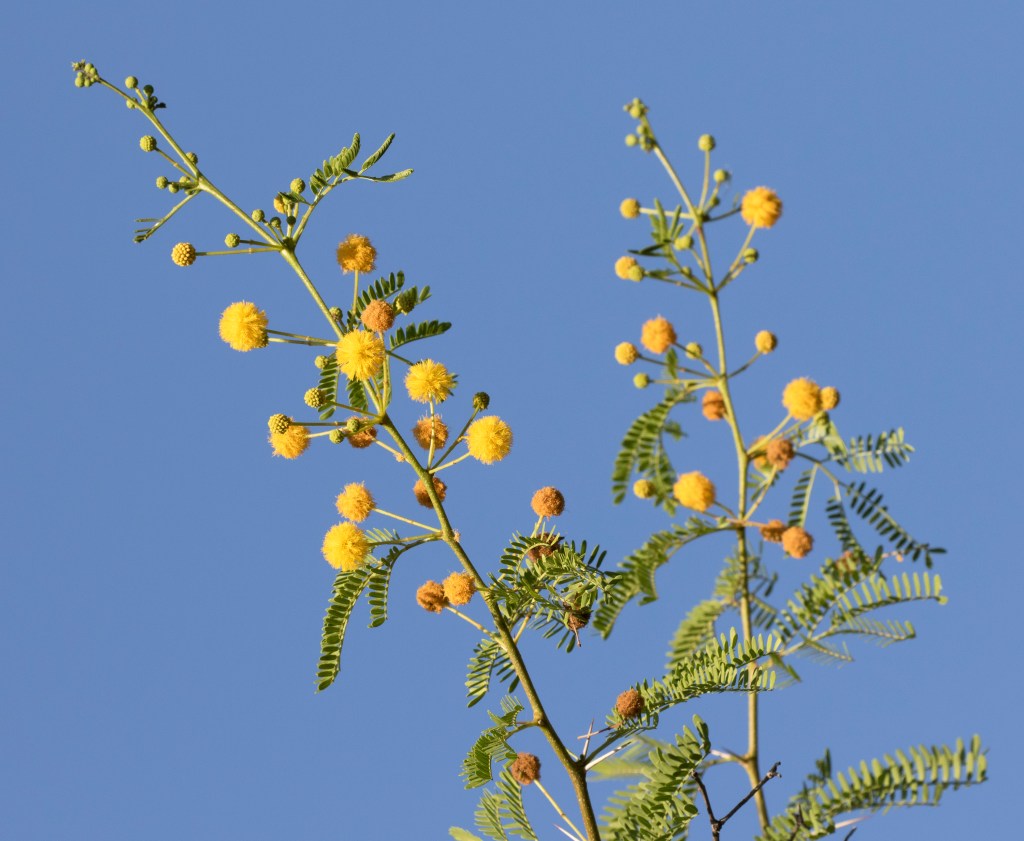
- Leaves: One of the defining features of Acacia farnesiana is its delicate, bipinnate leaves. These leaves are divided into smaller leaflets, giving them a fine, feathery appearance. Their slender, needle-like structure provides a unique texture in the landscape, making them stand out amongst other plants.
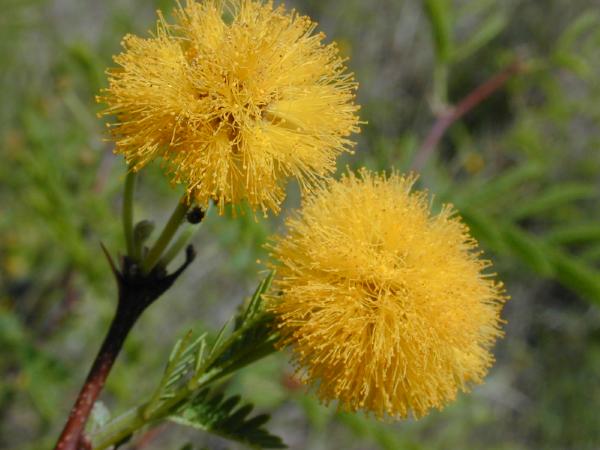
- Flowers: Perhaps the most striking feature of this acacia species is its blooms. The golden-yellow, ball-shaped flowers cluster together, creating a burst of color that can enliven any garden. Beyond their visual appeal, these flowers have a notable aromatic quality. They emit a delightful fragrance, which can be especially pronounced in the early mornings or late evenings. This scent has made the tree historically significant in the perfume industry.
- Branches and Spines: The branches of Acacia farnesiana serve a dual purpose. While they provide structural support for its leaves and flowers, they might also be equipped with sharp spines. These spines, while adding to the plant’s unique appearance, serve as a defense mechanism against herbivores and are a reminder for gardeners to handle the tree with care.
- Size and Growth: Acacia farnesiana is versatile in terms of its size, making it suitable for various landscapes. On average, it achieves a moderate height, typically ranging between 15 to 25 feet. This size makes it substantial enough to be a focal point in gardens but not overwhelmingly large, allowing it to fit into both expansive landscapes and more intimate garden settings.
Adaptation of Acacia farnesiana to the Desert Southwest: A Focus on USDA Hardiness Zones 9-11
The desert Southwest is a region characterized by its arid conditions, fluctuating temperatures, and unique soil compositions. Plants that thrive here have evolved or adapted specific features allowing them to weather the challenges this environment presents. Acacia farnesiana, or sweet acacia, is one such plant that has found its niche in the desert Southwest, particularly within the USDA hardiness zones 9 through 11.
USDA hardiness zones 9 through 11 encompass regions where the average annual extreme minimum temperature ranges from 20°F to 40°F. These zones include many parts of the desert Southwest, where hot summers, mild winters, and limited rainfall are the norm. Plants in these zones must endure:
- Intense heat and solar radiation.
- Infrequent but intense rainfall events.
- Potential for frost during colder months.
- Often alkaline soil conditions.
Sweet Acacia’s Adaptations:
- Drought Tolerance: One of the remarkable features of sweet acacia is its ability to withstand prolonged periods without water. Its deep root system allows it to access moisture from deeper soil layers, often outcompeting other plants in the vicinity.
- Leaf Structure: The bipinnate, needle-like leaves of the Acacia farnesiana are not just ornamental; they play a role in its survival. Their reduced surface area minimizes water loss through transpiration, a critical adaptation in hot, dry climates.
- Soil Preference: While many plants struggle in the well-draining, often sandy or gravelly soils of the desert Southwest, sweet acacia thrives. Its preference for well-drained soils means it is less prone to root rot, a common issue in waterlogged conditions. Furthermore, its ability to tolerate alkaline soils gives it an edge in many Southwestern landscapes.
- Heat Resistance: Sweet acacia’s native regions have conditioned it to endure high temperatures. Its leaves and bark provide a certain level of insulation against the intense sun, preventing cellular damage.
- Frost Resilience: While it loves the heat, sweet acacia has also evolved to withstand the occasional frosts that can occur in zones 9 through 11. While prolonged or intense frosts can be damaging, the tree can typically handle short-lived cold snaps.
The desert Southwest presents a challenging environment for many plants, but Acacia farnesiana is a testament to nature’s ability to adapt and thrive. Its specific set of adaptations, from its deep roots to its needle-like leaves, make it a resilient and valuable addition to landscapes within USDA hardiness zones 9 through 11. For gardeners and landscapers in these regions, sweet acacia offers a blend of beauty, fragrance, and durability that few other plants can match.
Historical and Cultural Significance
Originating in Central and South America, Acacia farnesiana has been appreciated for centuries for its fragrant flowers, which have been used in the perfume industry, particularly in France. The tree holds cultural significance in many indigenous communities for its medicinal and decorative uses.
Planting and Care of Acacia farnesiana: A Detailed Guide
Acacia farnesiana, commonly known as sweet acacia, is a plant that marries ornamental beauty with hardiness. Proper planting and care are instrumental in ensuring this tree reaches its full potential. Here’s a deeper dive into the specific needs and care guidelines for this desert-adapted tree.
Planting Guidelines:
- Site Selection:
- Sunlight: Acacia farnesiana thrives in locations that receive full sun, which means at least six hours of direct sunlight daily. A sunny spot helps the tree produce its vibrant golden-yellow flowers and ensures robust growth.
- Soil: While sweet acacia can tolerate a range of soil types, it prefers well-drained soils. Sandy loam or even gravelly soils are ideal. If planting in clay-heavy soils, consider amending with organic matter or sand to improve drainage.
- Planting Procedure:
- Hole Preparation: Dig a hole twice as wide as the root ball but no deeper. This provides room for the roots to spread out.
- Root Inspection: Gently inspect and untangle any circling or tangled roots before planting.
- Positioning: Place the tree in the hole so that the top of the root ball is level with the ground surface. Backfill with the excavated soil, pressing down gently to eliminate air pockets.
- Watering after Planting: Water thoroughly after planting to help settle the soil around the roots.
Care Guidelines:
- Watering:
- Establishment Phase: During its first growing season, water the tree regularly to help establish its root system. While it’s drought-tolerant once mature, it will benefit from consistent moisture early on.
- Mature Phase: As the tree becomes established, you can reduce the frequency of watering. In colder months, when the tree’s growth slows, further reduce watering.
- Avoid Overwatering: Ensure the area around the tree doesn’t become waterlogged. Sitting in water can lead to root rot, a potentially fatal condition for the tree. If you’re unsure about when to water, check the soil’s moisture a few inches below the surface.
- Mulching:
- Applying a layer of organic mulch around the base of the tree (without touching the trunk) can help retain soil moisture, suppress weeds, and regulate soil temperature. This is especially beneficial in the hot, arid climates where sweet acacia often grows.
- Fertilization:
- While Acacia farnesiana is adapted to thrive in less-than-ideal soils, an annual application of a balanced, slow-release fertilizer can support its growth, especially in nutrient-poor soils.
- Regular Inspection:
- Periodically inspect the tree for signs of diseases or pests. Early detection and intervention can prevent minor issues from becoming major problems.
Planting and caring for Acacia farnesiana require understanding its specific needs and preferences. With proper attention to sunlight, soil, and watering requirements, this tree can serve as a long-lasting, fragrant, and visually appealing addition to landscapes. Whether you’re a novice gardener or a seasoned expert, following these guidelines will ensure your sweet acacia remains healthy and vibrant.
Propagation of Acacia farnesiana: A Step-by-Step Guide
Acacia farnesiana, with its fragrant flowers and unique foliage, is a sought-after plant for many gardens. For those looking to propagate and grow this tree, understanding the specifics of seed propagation can greatly increase success rates. This guide delves into the detailed process of propagating Acacia farnesiana via seeds.
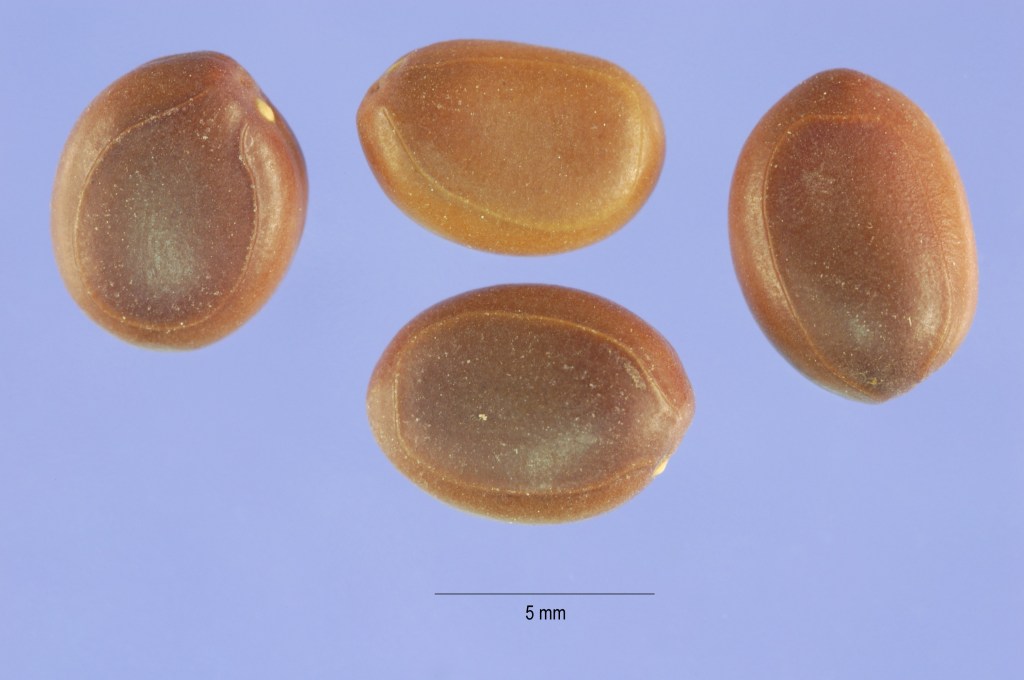
Seed Collection:
- Harvesting: Begin by collecting mature seed pods from an established Acacia farnesiana tree. The best time to do this is when the pods have dried out and turned brown but before they open and release their seeds.
- Storage: If you’re not sowing the seeds immediately, store them in a cool, dry place. They can be kept in paper envelopes or airtight containers.
Seed Preparation:
- Soaking: Before sowing, soak the seeds in room temperature water for about 12-24 hours. This softens the seed coat, allowing for faster and more consistent germination.
- Scarification: Some gardeners also opt for scarification, which involves gently nicking the seed’s hard outer coat with a file or sandpaper. This process further aids in moisture penetration and can enhance germination.
Sowing the Seeds:
- Soil Preparation: Use a well-draining seed-starting mix. Fill pots or seed trays with the mix, leaving about an inch from the top.
- Planting: Place the seeds on the surface of the soil, spacing them to prevent overcrowding. Lightly press them into the soil but don’t bury them too deep—covering them with a thin layer of soil or vermiculite will suffice.
- Moisture: Water the seeds lightly but thoroughly, ensuring the soil is moist but not waterlogged.
- Temperature: Acacia farnesiana seeds prefer warmth for germination. Maintaining a temperature of around 70°F (21°C) can promote quicker sprouting. Using a heat mat can help achieve consistent temperatures.
Seedling Care:
- Light: Once seeds start to germinate, ensure they receive adequate light. If growing indoors, placing seedlings by a sunny window or under grow lights can encourage healthy growth.
- Watering: Keep the soil consistently moist but avoid overwatering, which can lead to fungal diseases.
- Transplanting: Once the seedlings have grown a few sets of true leaves and are robust enough to be handled, they can be transplanted. This typically occurs several weeks to a few months after germination, depending on growth rates.
Ideal Transplanting Conditions:
- Timing: Transplant seedlings during cooler months, preferably in early spring or late autumn. This allows the young plants to establish roots without the stress of extreme heat.
- Site Preparation: Ensure the new planting site has well-draining soil and receives ample sunlight. Dig a hole slightly larger than the seedling’s root ball, place the seedling in, and gently backfill with soil.
Propagating Acacia farnesiana from seeds can be a rewarding endeavor. With careful attention to seed preparation, sowing techniques, and seedling care, gardeners can successfully grow this fragrant and ornamental tree from seed to maturity.
Pest Management in Acacia farnesiana: A Comprehensive Guide
While Acacia farnesiana, often referred to as sweet acacia, boasts a reputation for being relatively disease-resistant, it is not immune to all plant ailments. Certain pests, such as aphids and scale, can sometimes become problematic. Addressing these issues promptly can ensure the health and longevity of this ornamental tree.
Common Pests of Acacia farnesiana:
- Aphids:
- Description: Aphids are tiny, soft-bodied insects, often green or black, that cluster on the undersides of leaves or new growth. They feed on plant sap, weakening the plant and sometimes transmitting diseases.
- Signs: A clear, sticky substance known as honeydew is a tell-tale sign of an aphid infestation. This can also lead to the growth of sooty mold, giving leaves a blackened appearance.
- Management: In many cases, natural predators like ladybugs will control aphid populations. However, for severe infestations, insecticidal soaps or neem oil sprays can be effective. Ensure thorough coverage, especially under the leaves.
- Scale:
- Description: Scales are small, flat, and often resemble tiny shells or bumps on stems, leaves, or fruit. They feed on plant sap, robbing the tree of vital nutrients.
- Signs: Infested plants might display yellowing leaves, reduced vigor, or premature leaf drop. Like aphids, scales produce honeydew, which can lead to sooty mold growth.
- Management: For minor infestations, physically removing scales with a soft brush or cloth can be effective. Horticultural oils can smother and control scale populations. As with all treatments, it’s crucial to follow label instructions and, if possible, test a small area of the plant first.
Proactive Pest Management Strategies:
- Regular Inspection: Conduct routine checks of your Acacia farnesiana, paying particular attention to the undersides of leaves, new growth, and branch junctions. Early detection is vital for effective pest management.
- Maintain Plant Health: A healthy tree is less susceptible to pests. Ensure your Acacia farnesiana receives proper watering, adequate sunlight, and necessary nutrients.
- Encourage Natural Predators: Beneficial insects like ladybugs, lacewings, and parasitic wasps can help manage aphid populations. Avoid using broad-spectrum insecticides that could harm these beneficial insects.
- Pruning: Remove and discard any heavily infested branches or foliage to reduce pest populations.
- Cleanliness: Keep the area around your tree clean. Remove fallen leaves or debris that could harbor pests or diseases.
Conclusion: While Acacia farnesiana is a hardy and disease-resistant tree, it’s essential to remain vigilant against potential pest threats like aphids and scale. With consistent care, regular inspections, and timely interventions, gardeners can ensure that their sweet acacia remains vibrant and healthy, gracing landscapes with its beauty and fragrance.
Pruning and Maintenance
Acacia farnesiana, often admired for its aromatic flowers and delicate foliage, can benefit significantly from regular pruning. This not only helps in maintaining its desired shape, especially when cultivated as a hedge or boundary, but also ensures its continued health and vitality. Pruning is particularly vital for removing dead or damaged branches, which can otherwise hinder the tree’s growth and make it susceptible to diseases. By selectively trimming these branches, gardeners can stimulate robust growth, allowing the tree to divert its energy to producing lush foliage and vibrant flowers. Proper pruning practices, undertaken with care, can thus play an integral role in optimizing the tree’s aesthetic appeal and overall health.
Landscape Use of Acacia farnesiana
Acacia farnesiana, commonly known as sweet acacia, stands out as a versatile and striking addition to various landscapes. Its lush, feathery foliage, combined with vibrant, golden-yellow, aromatic flowers, makes it an ideal choice as a specimen tree. When planted individually, it serves as a focal point, drawing attention and adding aesthetic appeal to gardens, patios, and other outdoor spaces.
Moreover, when planted in rows or clusters, Acacia farnesiana can function effectively as a hedge or screen, providing both privacy and a burst of natural color. Its dense growth can also offer shade and serve as a windbreak in open areas. Given its inherent drought resistance, this tree is a favorite among gardeners practicing xeriscaping, a landscaping approach designed to reduce the need for supplemental water from irrigation. In regions with water scarcity or for those aiming for a sustainable and low-maintenance garden, incorporating Acacia farnesiana can be both a practical and visually pleasing choice. Whether used for ornamental, functional, or ecological purposes, this tree undoubtedly enhances the richness and diversity of any landscape it graces.
Potential Concerns of Acacia farnesiana for Pets and Children
Acacia farnesiana, while a captivating addition to landscapes, does come with its set of precautions, particularly concerning its sharp spines. These spines, found on the branches, pose a risk of injury to curious children and pets that might unknowingly come into contact with them. The plant’s defensive mechanisms, which serve it well in the wild, can be hazardous in domestic settings. To minimize potential accidents, it’s advisable to strategically position the tree in areas of the garden or yard where there’s minimal foot traffic. By doing so, the risk of inadvertent brushes or encounters, which could lead to scratches or more severe injuries, is significantly reduced. Parents and pet owners should remain vigilant and consider this aspect when integrating Acacia farnesiana into their outdoor spaces.
Benefits of Acacia farnesiana for Gardeners and Homeowners
For gardeners and homeowners seeking both functionality and beauty, Acacia farnesiana, commonly known as sweet acacia, offers a myriad of advantages. One of its foremost attributes is its low-maintenance nature. Gardeners can rejoice in the fact that once established, this tree requires minimal attention, freeing them from constant care routines. This attribute is further magnified by the tree’s impressive drought tolerance, making it a valuable asset in regions with water scarcity or for those looking to create environmentally sustainable gardens.
In addition to its resilience, Acacia farnesiana plays a crucial role ecologically by acting as a magnet for pollinators. Bees, butterflies, and various beneficial insects are often drawn to its vibrant, golden-yellow blooms, enhancing the garden’s biodiversity and aiding in the pollination of nearby plants.
However, the tree doesn’t only appeal to the practicalities of gardening; it also caters to the senses. The fragrance emitted by its blossoms is undeniably enchanting, transforming gardens into aromatic havens. This olfactory pleasure can elevate the outdoor experience, creating a serene and inviting ambiance for homeowners and their guests. In essence, by incorporating Acacia farnesiana into their landscapes, gardeners and homeowners gain a multifaceted tree that marries ecological benefits with sensory delights.
The Multifaceted Beauty of Acacia farnesiana
Acacia farnesiana, or sweet acacia, undoubtedly stands as a testament to nature’s ability to blend utility with beauty. From its delicate, bipinnate leaves to its golden-yellow, fragrant flowers, every aspect of this tree offers something unique to gardeners and homeowners. Its adaptability to various climates, especially warmer zones, coupled with its resilience in drought-prone areas, underscores its value in today’s ever-changing environment. Whether you’re seeking a low-maintenance centerpiece for your garden, a reliable hedge, or a beacon for pollinators, sweet acacia ticks all the boxes.
Moreover, with the array of cultivars available, there’s an option suited to every gardener’s specific needs, be it in terms of flower color, spine length, or other characteristics. However, as with all plants, it’s essential to be aware of its potential hazards, especially if you have playful pets or curious children.
Incorporating Acacia farnesiana into a landscape is not just about adding another plant; it’s about embracing a piece of nature that provides ecological, aesthetic, and sensory benefits. As we continue to explore and appreciate the myriad wonders of the plant kingdom, sweet acacia stands as a reminder of the harmonious relationship we can cultivate with our natural surroundings. For those seeking to elevate their gardens or outdoor spaces, Acacia farnesiana offers a blend of history, beauty, and adaptability that’s hard to match.
Acacia farnesiana – Sweet Acacia
 Desert Gardener