Native Tree
Acacia greggii – Catclaw Acacia
Acacia greggii: An Insightful Exploration for Gardeners and Homeowners
The vast and varied world of plants offers many hidden jewels, and the Acacia greggii, affectionately known as the Catclaw Acacia, is one such gem. Native to the arid landscapes of the southwestern United States, this plant is more than just its aesthetic appeal; it’s a symbol of resilience and versatility. While its intriguing name hints at its most distinctive feature, there’s much more to this desert dweller than meets the eye.
Botanical Description
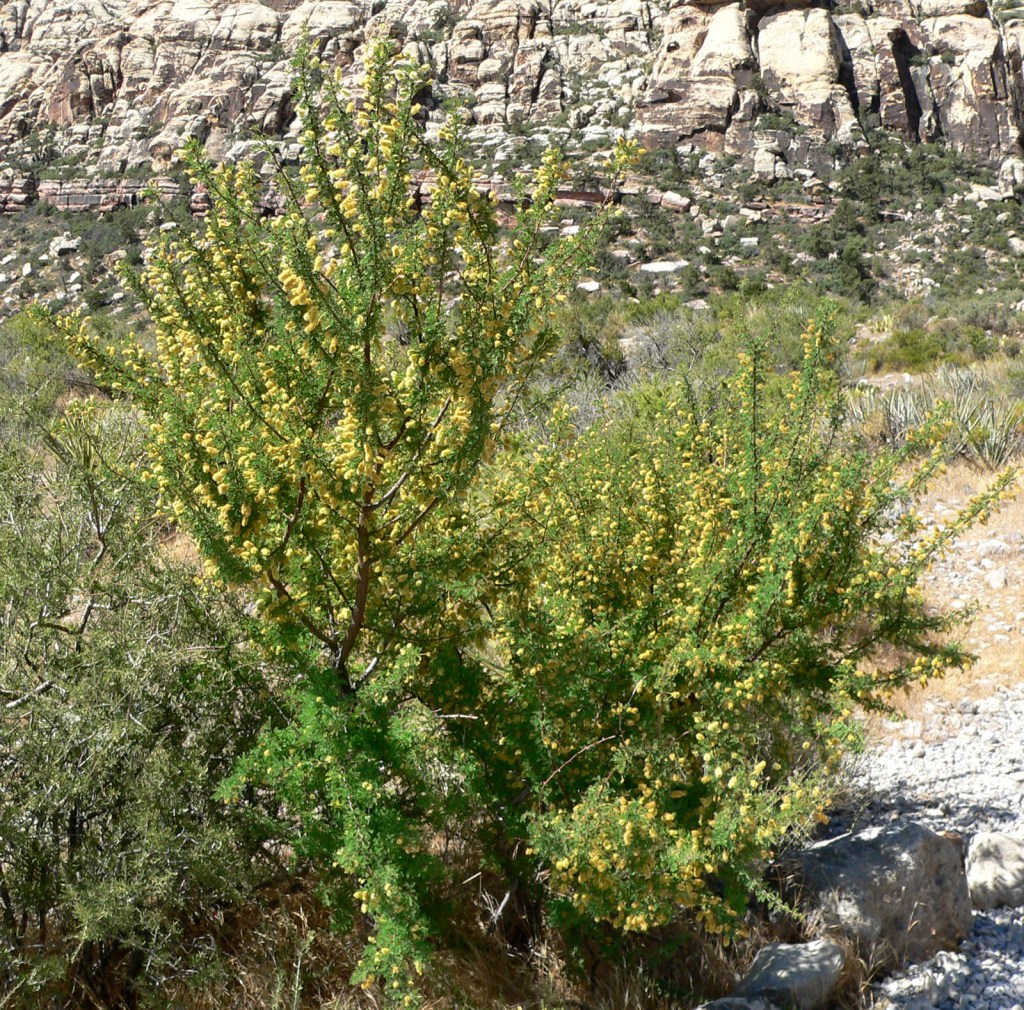
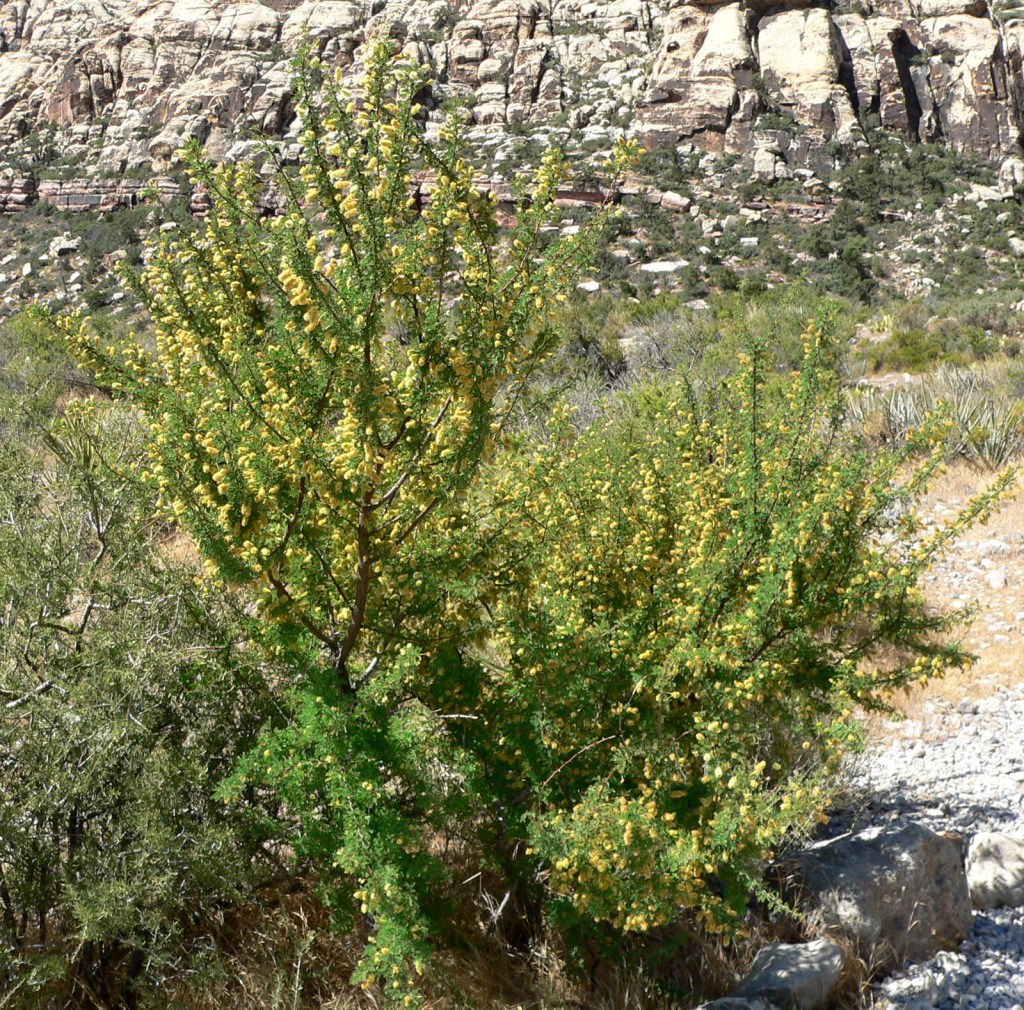
The Catclaw Acacia, scientifically known as Acacia greggii, is a true testament to nature’s adaptability and beauty. Belonging to the esteemed Acacia family, this particular species is distinct in both appearance and nature. Stretching gracefully towards the sky, the Catclaw Acacia ranges between 10 to 15 feet in height. Depending on its environmental conditions and care, it can present itself as a sprawling deciduous shrub or evolve into a petite, elegant tree.
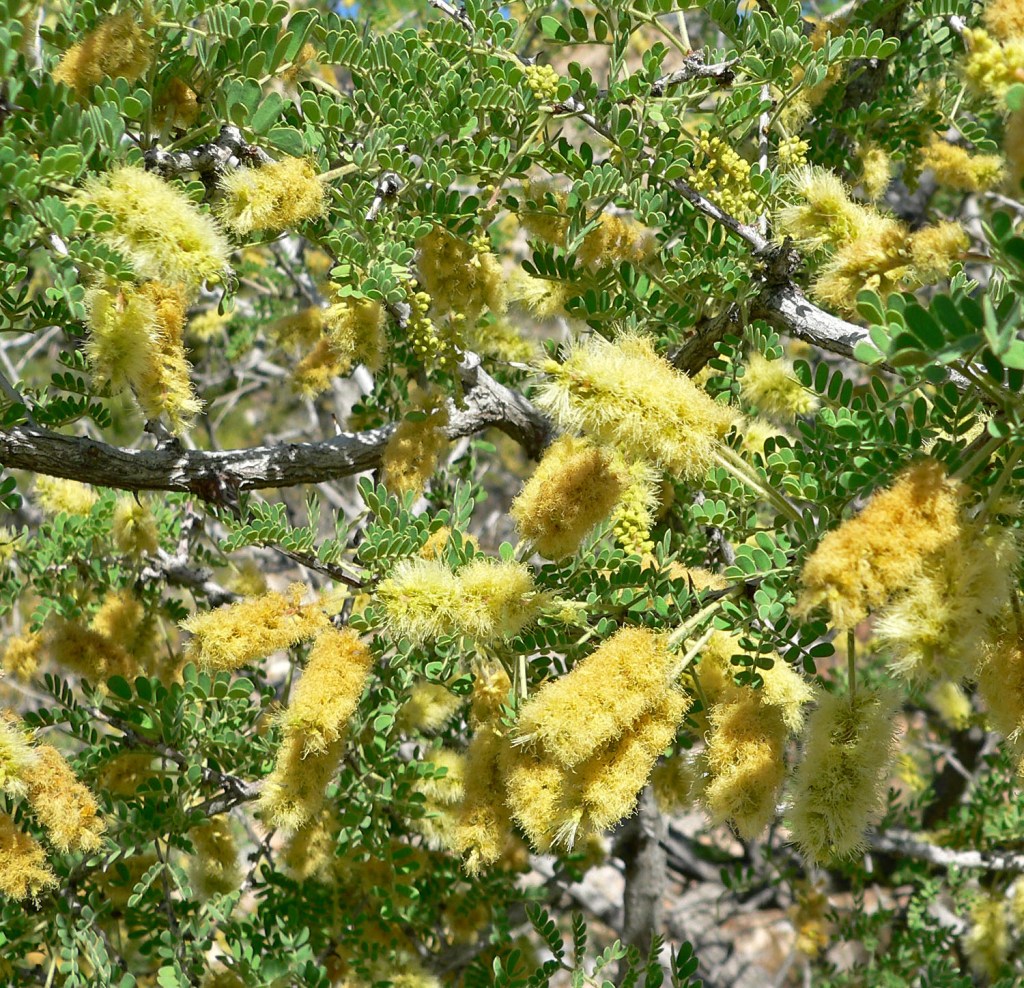
Its foliage is a remarkable feature, with its bipinnate leaves casting a vibrant shade of green. These leaves, intricately designed by nature, contrast starkly with the sandy hues of its native desert habitat, acting as an oasis of color in an otherwise muted landscape. Their fine-textured appearance adds a sense of softness and intricacy to gardens.
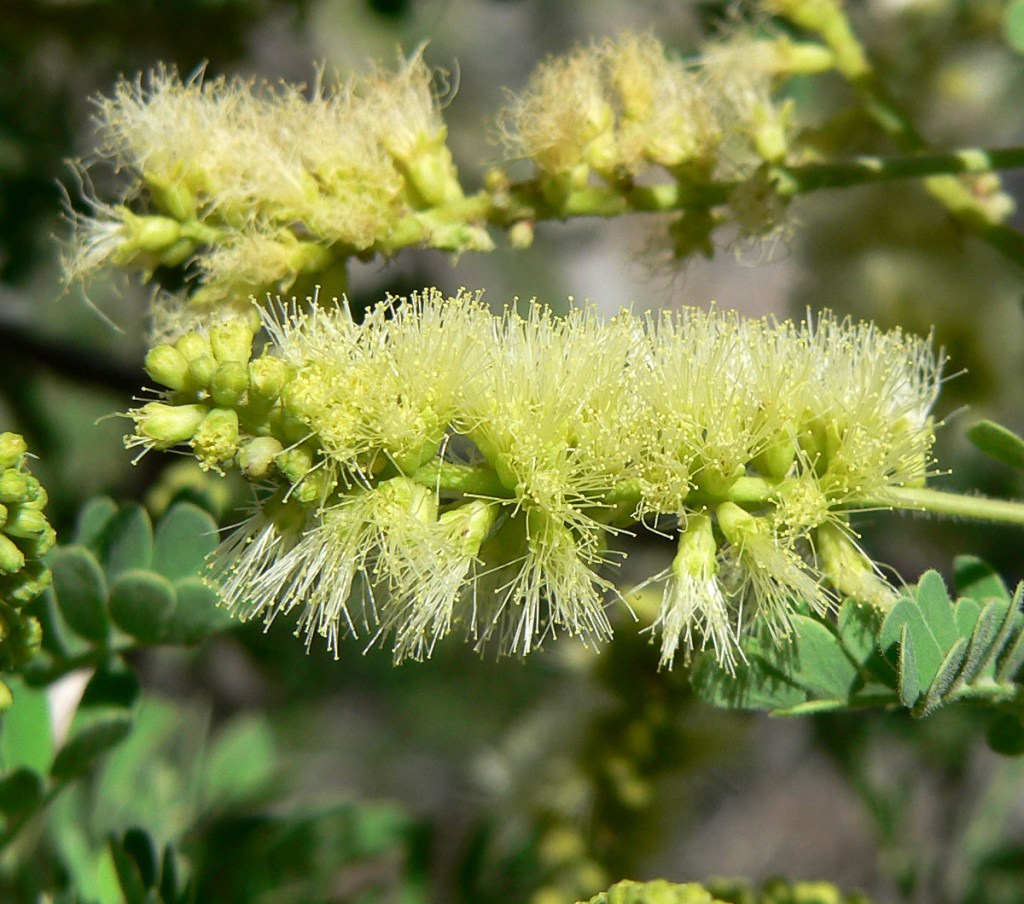
When the season is right, the Acacia greggii showcases its blooming prowess. Clusters of cream to soft yellow flowers emerge, releasing a pleasant fragrance that wafts through the air, beckoning pollinators from near and far. These spherical, fragrant blossoms are not just a visual treat but play an integral role in the ecosystem by attracting a wide array of pollinators, from industrious bees to fluttering butterflies.
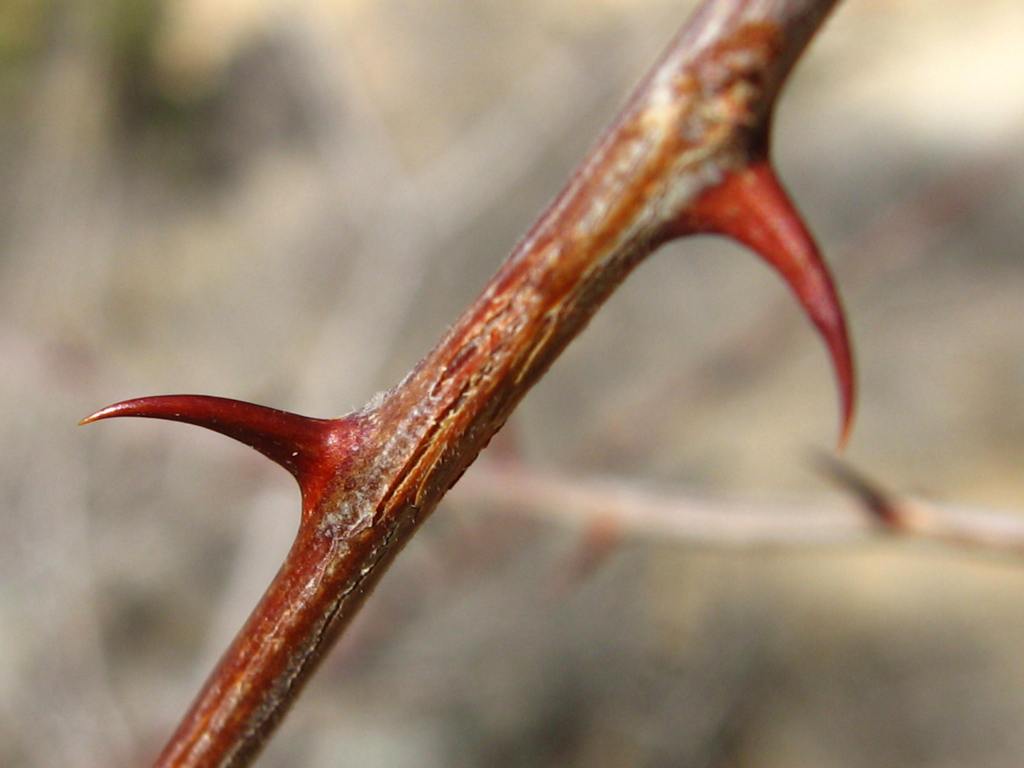
However, it’s impossible to discuss the Catclaw Acacia without mentioning its most defining feature: its spines. Curved and reminiscent of a cat’s claw, these spines are more than just a defensive mechanism against herbivores; they lend the plant its unique name and add an element of texture and intrigue to its overall silhouette. While they command respect and caution, they also emphasize the plant’s rugged adaptation to its environment, making the Catclaw Acacia a symbol of resilience and charm.
USDA Climate Zone
The Catclaw Acacia, or Acacia greggii, is a remarkable exemplar of nature’s tenacity and versatility. Thriving predominantly within the USDA hardiness zones 7 to 9, this resilient plant showcases a robust range of adaptability that few others can rival. Within these zones, the plant encounters a spectrum of weather conditions, from the searing heat of sun-baked summers to the biting chill of frost-laden winters.
What’s truly commendable is the Catclaw Acacia’s ability to not merely survive but flourish under these extreme conditions. Once it has set its roots firmly and acclimatized to its environment, this hardy plant demonstrates a remarkable resistance to the challenges thrown its way. Whether it’s enduring prolonged dry spells or bracing against unexpected cold snaps, the Acacia greggii stands resolute, a testament to its desert lineage.
Its exceptional drought tolerance, coupled with its capacity to handle cooler temperatures once matured, renders it an ideal choice for various landscaping endeavors, particularly in regions that mirror its native desert and semi-desert habitats. For gardeners and landscapers aiming to create sustainable, water-wise gardens without compromising on beauty, the Catclaw Acacia emerges as a frontrunner, seamlessly blending aesthetics with adaptability.
Historical and Cultural Significance
The Catclaw Acacia is not just a visual delight; it’s steeped in the rich tapestry of Southwestern Native American history. Tribes have long valued this plant, not just for its beauty but for its practical uses. Its sturdy wood found purpose in tool creation, while the seeds were a food source. Beyond sustenance and utility, the plant also held medicinal value, being used as a remedy for digestive issues and to treat wounds, highlighting its multifaceted significance.

Planting and Care
The Catclaw Acacia, or Acacia greggii, while resilient, thrives best when provided with the right conditions and care. Its natural habitat has endowed it with a preference for certain environmental elements, and mimicking these in the garden ensures its optimal growth and health.
Location and Soil:
Acacia greggii is a sun-loving plant, cherishing hours of uninterrupted sunlight. A location that basks in the sun’s warmth and brightness is ideal for this desert native. While it can tolerate some partial shade, particularly in areas where the afternoon sun can be excessively harsh, full sun ensures the plant remains vibrant and encourages a more prolific blooming phase.
The soil type is another essential factor for the Catclaw Acacia. Native to arid regions, it has evolved to prefer well-draining soil that mirrors the sandy or rocky terrains of the desert. This ensures that the roots remain aerated and do not become waterlogged. Adding organic matter or sand to your garden soil can enhance its drainage properties, creating an environment similar to the Acacia greggii’s natural habitat.
Watering and Maintenance:
One of the most striking attributes of the Catclaw Acacia is its ability to conserve water, a survival trait it has honed over time in its arid homeland. As a result, once established, it requires infrequent watering, making it a boon for those aiming for a low-maintenance garden. However, during its initial growth phase, or when freshly transplanted, regular watering can help it acclimate better to its new surroundings.
While it’s tempting to water plants generously, especially during dry spells, it’s vital to exercise caution with the Catclaw Acacia. Overwatering can be detrimental. Continuous exposure to wet, soggy soil can stress the plant and make it susceptible to root rot, a condition that can severely compromise its health. It’s advisable to follow a deep, infrequent watering routine, allowing the soil to dry out between watering sessions, which aligns more closely with the plant’s natural water cycle in the desert.
In essence, while the Catclaw Acacia is undoubtedly a sturdy and adaptable specimen, understanding its preferences and catering to them can ensure that this desert gem remains a vibrant and healthy addition to any garden landscape.
Propagation
For those looking to multiply the presence of Acacia greggii in their gardens, propagation through seeds is the way forward. A little tip that might boost success rates is soaking the seeds overnight. This softens the hard seed coat, promoting better germination. Once the seedlings reach a robust size, transplanting during the cooler months ensures better survival and growth.

The allure of the Catclaw Acacia, or Acacia greggii, often compels gardeners to propagate it, ensuring its graceful presence in multiple spots within their gardens or even sharing it with fellow gardening enthusiasts. Propagating this desert beauty might seem daunting to some, but with a bit of knowledge and care, it can be a straightforward process.
Seed Propagation:
Seeds are nature’s magical capsules of life and are the primary method for propagating Acacia greggii. The seeds of this species, like many desert plants, come encased in a tough outer shell. This shell protects the seed in its harsh native habitat, ensuring its longevity till the conditions are right for germination. For gardeners, this protective coat can be a bit of a challenge, but it’s one that’s easily overcome.
Before sowing, it’s beneficial to soak the seeds in water for about 12-24 hours. This immersion serves a dual purpose. Firstly, it softens the hard outer coating, making it easier for the embryo inside to break free during germination. Secondly, the moisture acts as a trigger, signaling to the seed that it’s time to awaken from dormancy.
Transplantation and Early Care:
After the soaking process, seeds can be sown in a seed-starting mix, ensuring they’re covered but not too deep. Placing them in a warm, sunny spot can further stimulate germination. As the tiny seedlings begin their journey upward, it’s essential to provide them with consistent moisture but avoiding waterlogged conditions.
Once these seedlings grow and establish themselves, attaining a height where they can be safely handled without causing damage, it’s time to think about transplantation. The cooler months, when the sun isn’t at its peak and the temperatures are more moderate, provide an ideal window for this process. Transplanting during this period reduces the stress on the young plants, allowing them to adjust to their new surroundings without the added burden of excessive heat.
It’s also worth noting that young Acacia greggii plants will benefit from a bit more attention than their mature counterparts. Regular but cautious watering, protection from extreme conditions, and periodic checks for pests can ensure that these young plants set out on the right foot, growing into the resilient, beautiful specimens that the Catclaw Acacia is known for.
Pests and Diseases
The Catclaw Acacia, Acacia greggii, stands as a testament to nature’s inherent strength and resilience, beautifully adapting to its arid environment. However, like all living organisms, it too has its vulnerabilities. Even the hardiest plants can sometimes be the target of pests, and the Catclaw Acacia is no exception.
Common Pests: Aphids, small sap-sucking insects, are among the most common pests that might find the Catclaw Acacia enticing. These minuscule creatures, often green or black, cluster on the undersides of leaves or stems, feeding on the plant’s sap. While a small number of aphids might not cause significant harm, a large infestation can weaken the plant, leading to curled or yellowed leaves and stunted growth. Additionally, aphids excrete a sticky substance called honeydew, which can attract ants and facilitate the growth of sooty mold, further affecting the plant’s health.
Monitoring and Management: The key to managing aphid infestations, or any pest problem for that matter, lies in early detection and intervention. Regularly inspecting the Catclaw Acacia, especially its new growth and the undersides of its leaves, can help in spotting the early signs of an aphid presence. If detected early, a strong jet of water can often dislodge these pests, reducing their numbers significantly.
For more severe infestations, insecticidal soaps can be an effective solution. These soaps are specially formulated to target pests like aphids without causing harm to beneficial insects or the plant itself. When applying insecticidal soap, it’s essential to ensure thorough coverage, reaching the nooks and crannies where aphids might be hiding.
Preventive Measures: Another natural way to combat aphids is by promoting a biodiverse garden environment. Beneficial insects, like ladybugs and lacewings, are natural predators of aphids and can keep their populations in check. Planting flowers that attract these beneficial insects can be a proactive step towards a healthier garden.
In conclusion, while the Catclaw Acacia is a symbol of rugged adaptability, it’s essential to remember that no plant is entirely impervious. Regular attention, combined with timely and appropriate interventions, can ensure that this desert gem continues to thrive, unfazed by the minor challenges thrown its way.
Pruning and Maintenance
The Catclaw Acacia, with its delicate leaves and fragrant blooms, can indeed be a captivating sight in any garden or landscape. However, maintaining this beauty does call for a bit of dedication and care on the gardener’s part. Just as sculptors chisel away at stone to reveal the masterpiece within, gardeners too need to occasionally prune and shape their plants to bring out their true potential.

Why Prune the Catclaw Acacia?
While Acacia greggii is a naturally graceful plant, without periodic intervention, it can become leggy or grow in a haphazard manner, diminishing its aesthetic appeal. Pruning helps in achieving a more compact, bushier form, promoting denser foliage, and even encouraging a more prolific bloom. Removing dead or diseased branches also ensures the overall health of the plant, preventing the spread of potential diseases and allowing the remaining branches to thrive with increased vigor.
While the pruning process is generally straightforward, the Catclaw Acacia brings with it a unique challenge – its signature catclaw thorns. As the name suggests, these thorns, resembling a cat’s claws, can be quite sharp and can easily pierce the skin. They serve as the plant’s defense mechanism, deterring herbivores in its natural habitat, but for the unsuspecting gardener, they can pose a prickly problem.
Safety First: To ensure a safe pruning session, it’s imperative to be adequately equipped. Sturdy gloves, preferably those made of thick material, can protect the hands from accidental pokes. Wearing long-sleeved shirts and pants can shield the arms and legs, while protective eyewear can prevent any thorns from coming dangerously close to the eyes. By taking these precautions, gardeners can focus on the task at hand without the constant worry of getting hurt.
Beyond protection, using the right tools, such as sharp pruning shears or loppers, can make the job smoother and more efficient. Dull tools can cause jagged cuts, which might not heal properly, leaving the plant susceptible to diseases.
The Catclaw Acacia, with its unique blend of beauty and resilience, embodies the spirit of the desert. To bring out its best requires a gardener’s touch, a blend of art and science. With the right tools and precautions, pruning becomes less of a daunting task and more of a nurturing process, ensuring that this desert gem continues to shine in all its glory for years to come.
A Desert Gem in Landscape Design: Acacia greggii
The modern gardener often seeks plants that not only offer visual appeal but also embody resilience and sustainability. Enter the Catclaw Acacia or Acacia greggii, a desert wonder that effortlessly bridges the gap between functionality and beauty in the realm of landscaping.
The Allure of Xeriscaping: With the increasing awareness about water conservation, xeriscaping has become a prominent trend in landscape design, especially in regions prone to drought or with limited water supply. Acacia greggii, with its intrinsic drought tolerance, naturally finds itself at the forefront of such designs. Its ability to thrive with minimal water makes it not only an environmentally responsible choice but also reduces maintenance efforts and costs in the long run.
Versatility in Design: The Catclaw Acacia’s unique profile, characterized by its fine-textured leaves, fragrant blooms, and signature thorns, offers a wealth of design possibilities. As a stand-alone specimen, its presence can be a dramatic focal point, drawing attention and anchoring a landscape. When used as part of a mixed border, it can provide an interesting contrast, both in terms of texture and height, to other plants, creating a layered visual experience.
For those seeking a more thematic approach, Acacia greggii can be the star of a desert-inspired garden, surrounded by cacti, succulents, and other desert flora. The interplay of various shapes, colors, and sizes can evoke the raw beauty of arid landscapes, making for a captivating garden scene.
Functional Uses: Beyond its visual charm, Acacia greggii can also serve practical purposes in a landscape. When planted in groups or rows, it can act as a natural screen or windbreak, offering privacy and protection from the elements. Its thorns, while requiring caution, can also be an effective deterrent against unwanted wildlife or intruders.
Landscaping, at its core, is about harmonizing nature with design, and the Catclaw Acacia exemplifies this principle. Its versatility, coupled with its adaptability, makes it a valuable asset in a gardener’s palette. Whether you’re crafting a serene oasis, a thematic desert garden, or simply looking for a hardy, low-maintenance addition, Acacia greggii promises to infuse character, beauty, and resilience into any landscape.
Potential Concerns for Pets and Children
Every rose has its thorn, they say, and so does the Catclaw Acacia. Its thorns, while adding to its character, can pose a potential hazard. If your household has young, curious children or playful pets, it’s a good idea to position this plant thoughtfully, perhaps in a less-trafficked part of the garden, to minimize any unintentional run-ins.
Reaping the Rewards of Acacia greggii: A Bounty of Benefits for Gardeners and Homeowners
The decision to introduce a plant into a garden or landscape is often motivated by various factors – aesthetics, functionality, and sometimes, sheer admiration for nature’s marvels. The Catclaw Acacia, or Acacia greggii, proves to be a multi-faceted gem, offering a range of benefits that make it an invaluable addition for both gardening enthusiasts and homeowners alike.
Low Maintenance, High Rewards:
For many, the demands of daily life can be overwhelming, leaving little time for intricate garden care. Acacia greggii emerges as a perfect companion for such scenarios. Its innate ability to thrive in arid conditions, coupled with its resilience against pests and diseases, means that even with minimal attention, this desert beauty continues to flourish. Its low water requirements also make it an eco-friendly choice, especially in regions where water conservation is paramount. This translates to less time spent watering and more time enjoying the garden’s beauty.
A Haven for Pollinators:
In today’s rapidly changing environment, creating spaces that support and nourish biodiversity is more critical than ever. Acacia greggii plays its part brilliantly in this endeavor. Its fragrant blooms act as powerful magnets, drawing in a diverse set of pollinators. Be it bees, hummingbirds, butterflies, or beneficial insects, the garden soon becomes a buzzing hub of activity, fostering a vibrant ecosystem. This not only aids in the pollination of other plants but also contributes to the larger cause of sustaining wildlife.
Sensory Delights Abound:
Gardens are often seen as sanctuaries – spaces where one can retreat, reflect, and rejuvenate. The Catclaw Acacia enhances this experience manifold. As the sun sets and the evening breeze wafts through, the air is filled with the delicate aroma emanating from its blooms. This olfactory delight can transform gardens into aromatic havens, making evening soirees or morning coffees even more enchanting. The soft chirping of birds and the gentle fluttering of butterfly wings further elevate the sensory experience, making the garden a true haven for the soul.
Enhanced Property Value:
Beyond the immediate joys, homeowners can also view the inclusion of Acacia greggii as a long-term investment. A well-maintained garden, with its curated collection of plants, can significantly enhance property value. The unique aesthetic and functional attributes of the Catclaw Acacia can make properties stand out, potentially offering better returns in the event of a sale.
The myriad benefits of Acacia greggii extend well beyond its undeniable beauty. It offers a blend of ecological, sensory, and economic advantages that cater to a wide spectrum of needs. By embracing this desert wonder, gardeners and homeowners not only enrich their immediate surroundings but also contribute to a larger tapestry of sustainable and harmonious living.
Final Thoughts on the Desert Marvel: Acacia greggii
In the vast tapestry of the botanical world, some plants stand out not just for their visual allure but for the stories they tell and the experiences they offer. The Catclaw Acacia, scientifically known as Acacia greggii, is a prime example of such botanical wonders. Its presence in gardens and landscapes speaks volumes of nature’s incredible ability to adapt, flourish, and enchant in the most challenging conditions.
Nature’s Masterpiece of Resilience:
The story of Acacia greggii is essentially a story of resilience. Thriving in the arid regions of the desert, it offers a testament to nature’s indefatigable spirit. Every aspect of this plant, from its deep-rooted system to its drought-resistant foliage, showcases an evolutionary journey that’s been honed to perfection over millennia. It serves as a reminder that, with the right adaptations, life can not only survive but thrive in the harshest of environments.
A Link to the Past:
Beyond its ecological attributes, the Catclaw Acacia connects us to a rich tapestry of history and culture. Historically revered for its myriad uses and its significance in indigenous practices, this plant bridges the gap between the past and the present, allowing gardeners to experience a slice of history right in their backyards.
Joyful Gardening:
For the passionate gardener, the joys of tending to plants go beyond the visual. It’s about the experience, the connection with nature, and the satisfaction derived from nurturing life. Acacia greggii, with its minimal care requirements and its bounty of benefits, amplifies this joy. Whether you find solace in its fragrant blooms, marvel at its adaptability, or simply appreciate its contribution to the ecosystem, it offers myriad avenues of exploration and enjoyment.
A Valued Addition to Every Garden:
Whether you’re starting your gardening journey or have spent years cultivating your green haven, the inclusion of Acacia greggii promises enrichment. It’s not just about adding another plant to your collection; it’s about embracing a piece of the desert, a slice of history, and a reservoir of ecological wisdom.
In the end, gardens are reflections of the choices we make, the values we uphold, and the visions we aspire to. By choosing to incorporate the Catclaw Acacia, gardeners not only enhance their landscapes but also align with the timeless rhythms of nature, celebrating life in all its vibrant hues and intricate patterns.
Taxonomy Update:
The taxonomy of plants, including the genus Acacia, has undergone significant revisions over the years, which has led to a number of species being reclassified and renamed. For Acacia greggii, one of its primary synonyms is Senegalia greggii. In recent botanical literature, the shift from Acacia to Senegalia for certain species, including greggii, reflects these taxonomic revisions.
However, it’s important to note that while botanical synonyms provide alternate names that a plant might have been known by or classified under in the past, the currently accepted name is what’s most widely used in contemporary botanical and horticultural contexts. For the most accurate and up-to-date nomenclature, referring to a reliable taxonomic database or recent botanical literature is always recommended.
Acacia greggii – Catclaw acacia
 Desert Gardener