Exotic Tree
Acacia aneura: A Gardener’s Guide to the Mulga Tree
Common Name:
Mulga Tree
Botanical Name:
Acacia aneura
Mulga Tree (Acacia aneura)
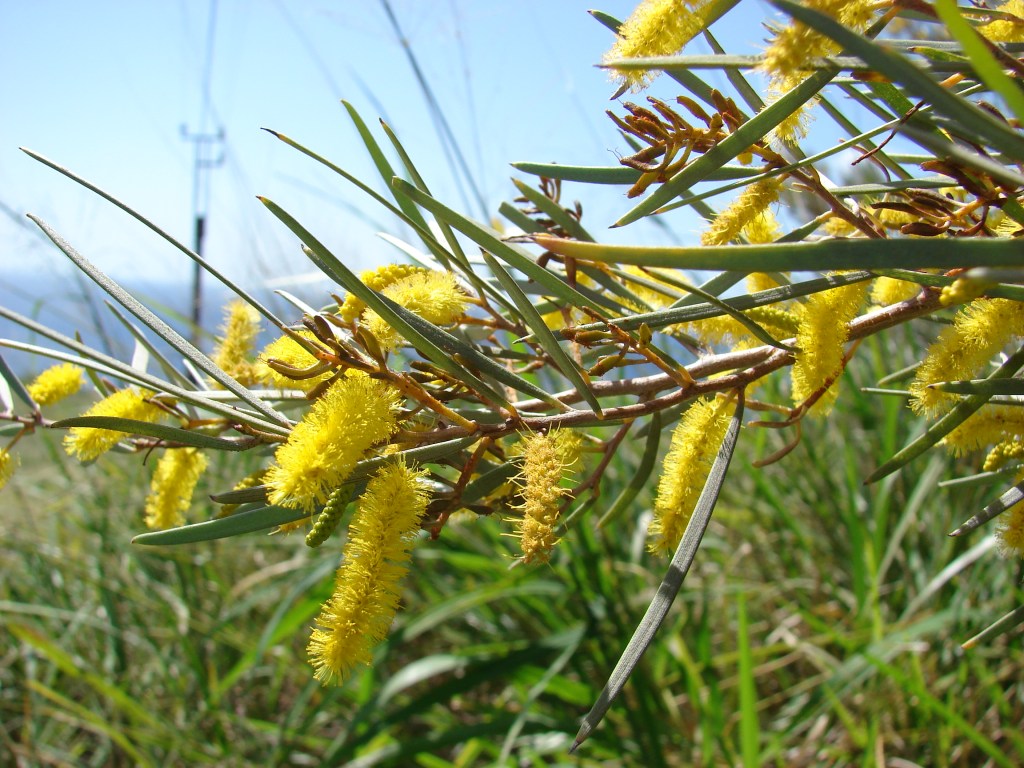
Acacia aneura, more widely recognized as the Mulga tree, stands as one of Australia’s most emblematic and resilient flora. This native species has etched its mark not just in the vast Australian landscapes but also in the rich tapestry of the nation’s cultural history. Its unique features, characterized by elongated phyllode-like leaves, rough bark, and golden-yellow clustered flowers, make it immediately distinguishable, revealing a story of adaptation and survival in some of Australia’s harshest climates.
The Mulga tree’s hardiness is nothing short of legendary. Born from the arid and semi-arid regions of Australia, this tree has developed an innate ability to endure extended periods of drought, intense heat, and nutrient-poor soils. Its deeply rooted system not only anchors it firmly to its homeland but also efficiently seeks out water, ensuring its survival during the driest spells.
But the significance of the Mulga goes beyond its robust nature. It’s woven into the fabric of Indigenous Australian culture. From being a source of food and medicine to offering wood for tools and artistic endeavors, the Mulga tree has sustained and been revered by native communities for millennia.
For modern gardeners, the Mulga tree offers an opportunity to integrate a piece of the Australian wilderness into their landscapes. It promises not only a touch of the exotic but also a tree that requires minimal care once established. In an age where sustainability and water conservation are of prime importance, the Mulga stands out as an ecological champion. Its ability to thrive with little water, coupled with its aesthetic appeal, makes it a prime choice for those looking to blend beauty with sustainability in their gardens.
In essence, the Mulga tree is more than just a plant; it’s a testament to endurance, a living artifact of Australian heritage, and a beacon for sustainable gardening practices in the modern world.
Botanical Description
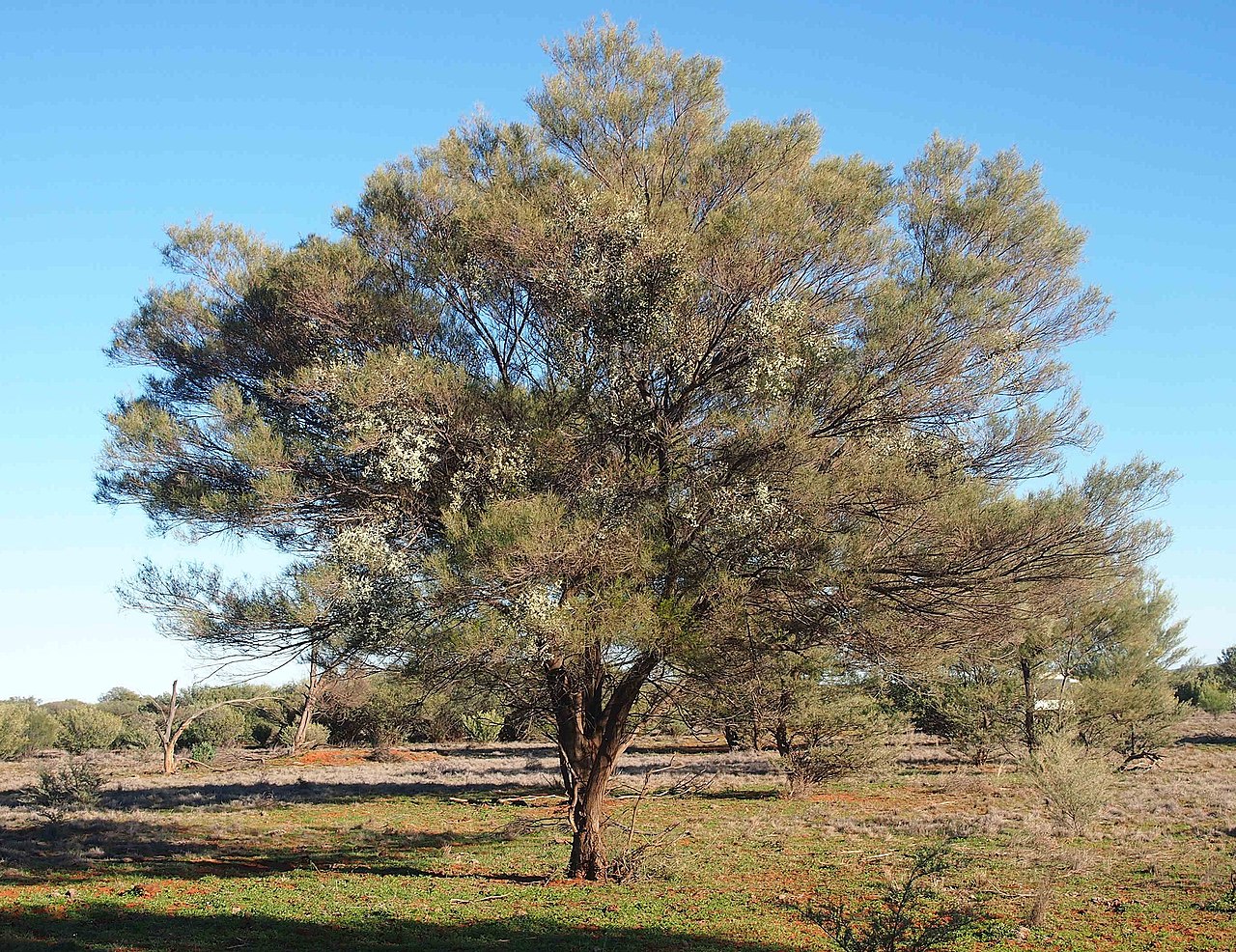
The Mulga tree, known scientifically as Acacia aneura, is typically classified as a small to medium-sized tree, with its stature ranging between 15-30 feet (approximately 4.5-9 meters) in height. This modest size allows it to seamlessly integrate into a variety of landscapes, from suburban gardens to larger parklands.
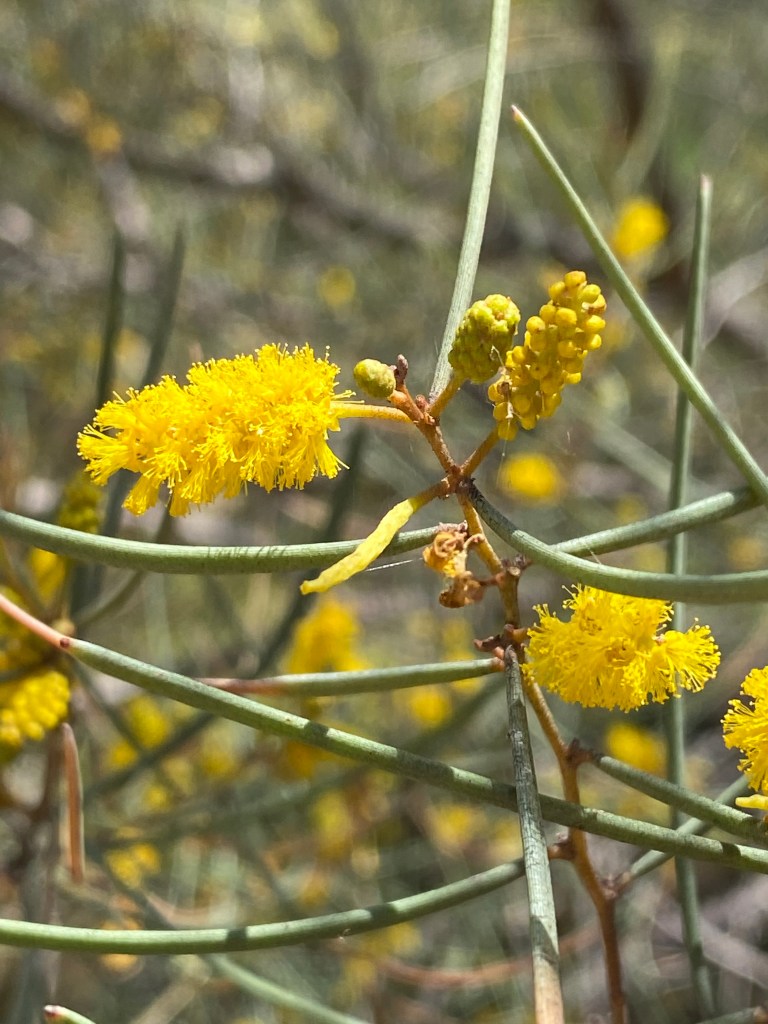
One of the most distinguishing features of the Mulga is its foliage. Unlike many other trees, the Mulga boasts long, slender leaves that are, in fact, modified structures called phyllodes. These phyllodes are a testament to the tree’s evolution, having adapted over eons to the arid Australian environments from which they hail. Their unique shape minimizes water loss and maximizes photosynthesis, even under the harshest sunlight.
Further adding to its distinct appearance, the bark of the Mulga tree is both rugged and textured. Exhibiting a dark gray hue, it is characterized by its tendency to peel away in narrow, longitudinal strips. This peeling nature not only gives the Mulga a distinctive aesthetic but also aids in regulating its internal temperature by reflecting away some of the intense sunlight.
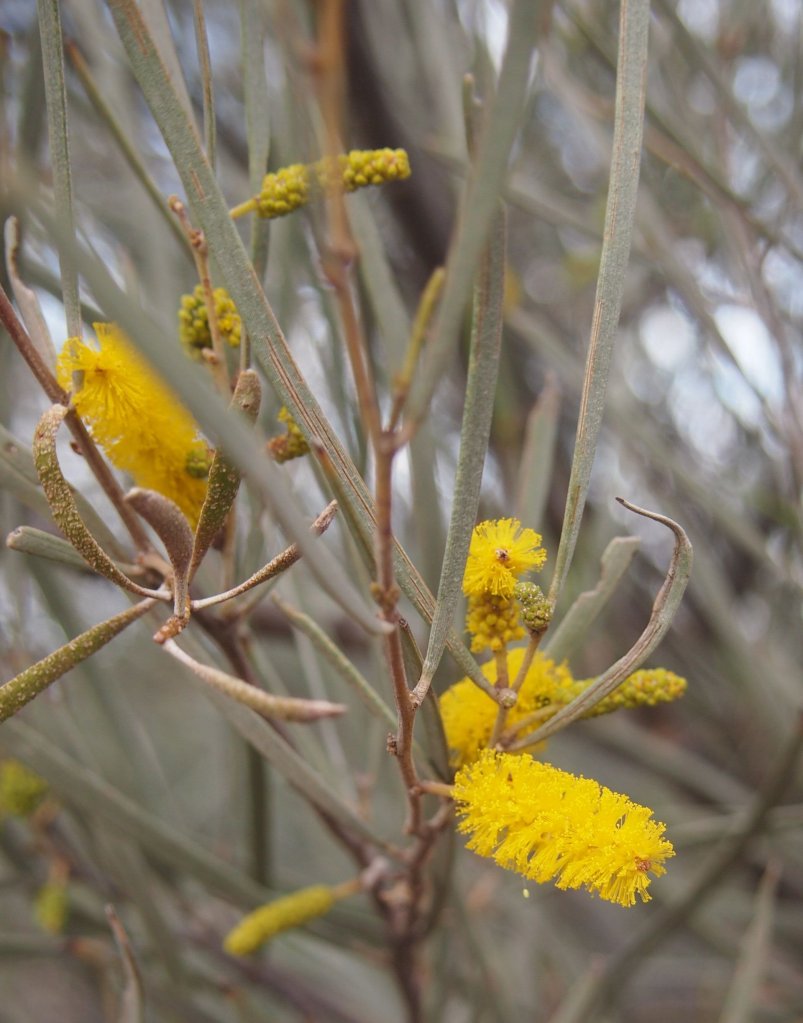
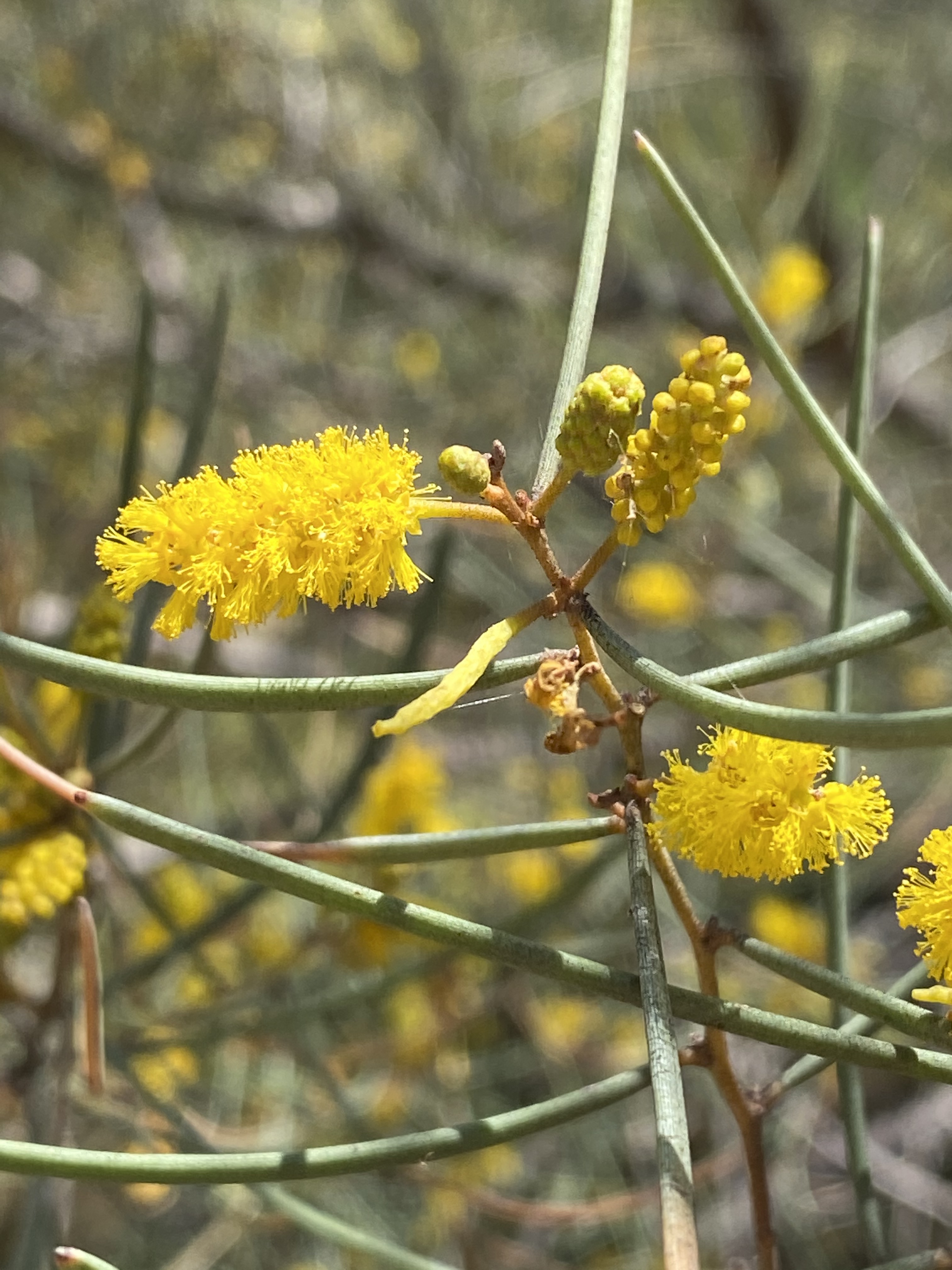
But perhaps the most delightful feature of the Mulga tree is its floral display. When in bloom, the tree is adorned with vibrant yellow flowers that form in spherical clusters. These blossoms not only provide a visual treat but are also a hub of activity, attracting a myriad of pollinators. As the flowering season concludes, these vibrant blooms give way to seed pods, which are often curled or twisted in form, adding yet another layer of intrigue to this already captivating tree.
Every aspect of the Mulga tree, from its modest height of 15-30 feet (4.5-9 meters) to its distinctive leaves, rough bark, and vibrant blooms, is a showcase of nature’s ability to adapt and thrive, even in the most challenging conditions.
USDA Climate Zone
The Mulga tree, scientifically known as Acacia aneura, stands as a testament to nature’s adaptability and resilience. Hailing from the arid landscapes of Australia, this tree’s features have evolved over time to withstand harsh climatic conditions, making it a fascinating choice for gardeners, especially those situated in specific zones detailed in the Sunset Western Garden Book.

Often growing to a moderate height, the Mulga tree typically reaches between 15-30 feet (approximately 4.5-9 meters). One of its most captivating features is its foliage. These aren’t just regular leaves but are specially evolved structures called phyllodes. Elongated and narrow, these phyllodes are designed to minimize water loss while maximizing photosynthesis, even under intense sunlight, traits invaluable to a plant from arid environments.
Adding to its unique charm is its rugged bark, which exhibits a dark gray hue and peels away in narrow, longitudinal strips. This not only lends the tree an unmistakable aesthetic but also serves a functional purpose, reflecting some of the intense sunlight and helping the tree regulate its internal temperature.
In the right season, the Mulga tree is adorned with a brilliant display of spherical yellow flowers that cluster together, bringing a splash of color to its surroundings. Following the bloom, these flowers transition into intriguing curled or twisted seed pods.
Given its origins, it’s not surprising that Acacia aneura thrives in USDA zones 8-11, which are characteristic of arid to semi-arid climates. This aligns well with the Sunset Western Garden Book, making the Mulga tree particularly suitable for the low and intermediate deserts of Arizona and southern Nevada. Additionally, inland regions of Southern California, which share climatic similarities with its native Australian environment, are also ideal for cultivating this resilient tree.
For those residing in these zones, integrating the Mulga tree into their landscapes means not only adding a unique aesthetic element but also introducing a plant that requires minimal maintenance and water, attributes increasingly valuable in today’s shifting climate scenario.
Historical and Cultural Significance
The mulga tree is not just a botanical entity but a rich tapestry of stories, traditions, and knowledge that stretches back thousands of years in the history of Indigenous Australians. Its presence in the arid landscapes of Australia is more than just a testament to nature’s adaptability; it’s a symbol of cultural identity, sustenance, and spiritual connection for the native peoples.
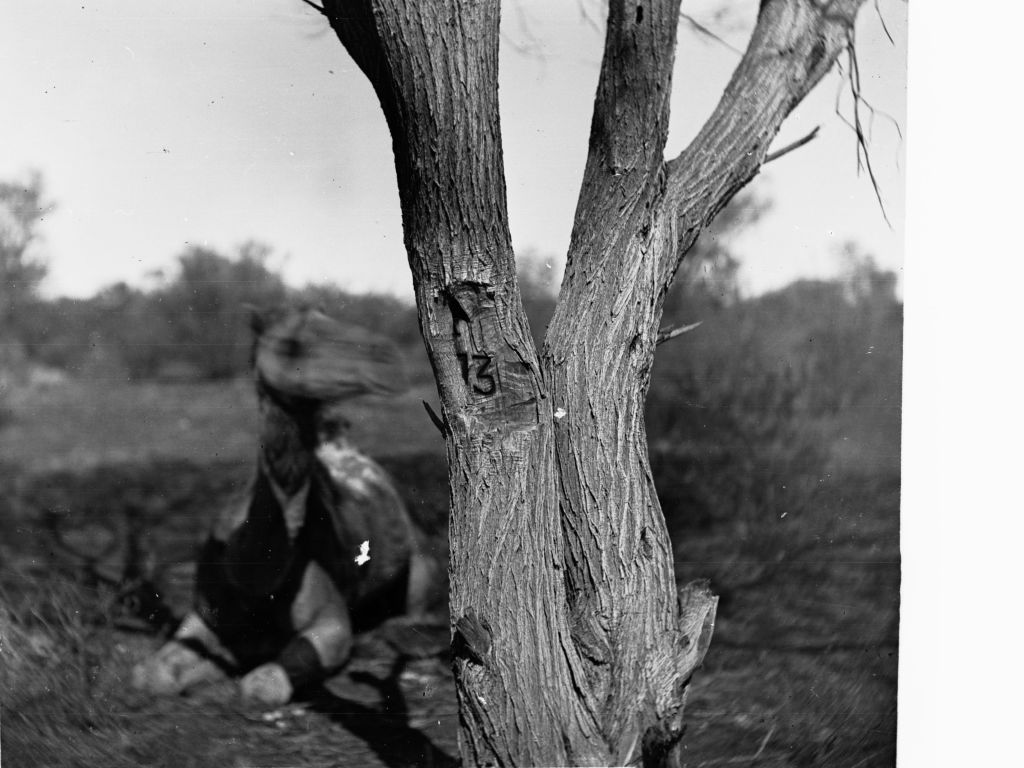
For Indigenous Australians, every part of the mulga tree serves a purpose, echoing the principle of sustainable use and deep respect for nature that’s intrinsic to their way of life. The wood of this hardy tree, dense and durable, has been traditionally utilized to craft a myriad of tools. From boomerangs, which are used for hunting and ceremonial purposes, to digging sticks and clapsticks, the Mulga wood’s versatility is showcased in the wide range of instruments and tools crafted from it.
Beyond its utility as a material for tool-making, the Mulga tree offers sustenance. Its seeds, often overlooked by the untrained eye, are a treasure trove of nutrition. Indigenous communities have, for generations, harvested these seeds to ground them into a rich flour. This flour then becomes the base for traditional bread, offering a vital source of energy and nutrients in regions where conventional agriculture is challenging.
Equally significant is the tree’s gum. Often exuded as a response to injury, this gum is more than just a botanical phenomenon for Indigenous Australians. It has been traditionally used as a remedy for various ailments. From soothing sore throats to acting as a binding agent in tools and weapons, the medicinal and practical applications of the Mulga gum highlight the intricate knowledge Indigenous communities possess about their environment.
The leaves of the Mulga tree, with their unique phyllode structure, also play an essential role in cultural ceremonies. They may be used in smoking ceremonies, which are conducted to cleanse spaces and individuals. The smoke emanating from these leaves is believed to have purifying properties, ensuring harmony and spiritual well-being.
In essence, the Mulga tree is a living library for Indigenous Australians, encapsulating their history, wisdom, and bond with the land. It’s not just a source of material sustenance but also a spiritual anchor, reminding every generation of their roots, responsibilities, and the intricate web of life they are a part of. In the face of modernization, the Mulga tree stands as a beacon of tradition, underscoring the importance of preserving indigenous knowledge and fostering sustainable interactions with nature.
Planting and Care
The Mulga tree, or Acacia aneura, as with many desert-originating plants, has evolved over millennia to thrive in some of the most challenging environmental conditions on earth. Understanding the native habitat and environmental adaptations of the Mulga tree is pivotal for gardeners who wish to integrate this unique species into their landscape successfully.
Soil Requirements:
The preference of the Mulga tree for well-drained soil can’t be emphasized enough. Waterlogged or consistently moist soil can be detrimental to its roots and overall health. While it’s adaptable to a variety of soil textures – from sandy to loamy and even slightly clayey – ensuring good drainage is the key. This adaptability is a testament to the tree’s resilience and its natural habitat’s variability, where soil types can differ vastly within relatively short distances.
Sun Exposure:
Full sun is the Mulga tree’s best friend. Originating from the open deserts and semi-arid regions of Australia, it is accustomed to receiving sunlight unfiltered and direct. When planting a Mulga tree, it’s crucial to select a location where the tree can bask in abundant sunlight throughout the day. Limited sun can lead to leggy growth and reduce its natural resistance to pests and diseases.
Watering Needs:
Being a tree accustomed to desert conditions, the Mulga has an impressive tolerance for drought. Its deep root system allows it to tap into moisture unavailable to many other plants. However, this doesn’t mean it can be neglected, especially during its establishment phase. Regular watering is necessary until the tree is well-rooted and shows signs of active growth. Once established, its need for water diminishes significantly. Nevertheless, during prolonged dry spells, an occasional deep watering is beneficial. This encourages the roots to grow deeper into the soil, enhancing the tree’s drought resilience.
Soil pH:
While the Mulga tree can adapt to a range of pH levels, it shows a particular preference for slightly acidic to neutral pH. In soils with these pH levels, the tree can access essential nutrients more efficiently, leading to healthier growth and better resistance against potential stressors.
The Mulga tree, with its distinctive appearance and hardy nature, offers a captivating choice for landscapes. However, as with any plant, understanding and catering to its preferences can make the difference between merely surviving and truly thriving. By providing the right soil, ample sunlight, and proper watering, gardeners can ensure that their Mulga tree stands as a proud testament to nature’s awe-inspiring resilience.
Propagation
Growing the Mulga tree, Acacia aneura, from seed is an exciting and rewarding venture, especially for gardening enthusiasts who have a keen interest in propagating indigenous and drought-tolerant plants. Establishing a Mulga tree from seed not only gives you a deeper connection to the plant but also provides the opportunity to raise multiple saplings, which can be a fulfilling endeavor in a small backyard nursery setup.
Collecting Seeds:
Timing: To collect Mulga tree seeds, it’s essential to wait until the seed pods have matured on the tree. This typically occurs after the flowering period, when the pods turn from green to brown and start to dry out.
Harvesting: Once the pods are mature and dry, they can be easily picked from the tree. Use a pair of garden scissors or pruners to snip them off to avoid damaging the tree.
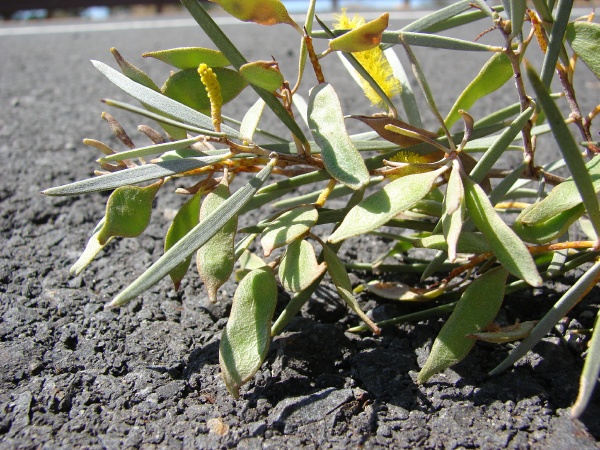
Storage: Store the collected pods in a cool, dry place and allow them to dry out further for several days. Once completely dried, you can break the pods open to retrieve the seeds. Store the seeds in a sealed container in a cool location, away from direct sunlight, until you’re ready to propagate.
Seed Propagation in a Small Backyard Nursery:
Pre-treatment: Mulga seeds, like many in the Acacia genus, have a hard seed coat. To increase germination rates, it’s necessary to scarify the seeds. This can be done by gently rubbing them with fine sandpaper or nicking the seed coat with a knife. Another effective method is to pour boiling water over the seeds and let them soak overnight, which helps soften the coat.
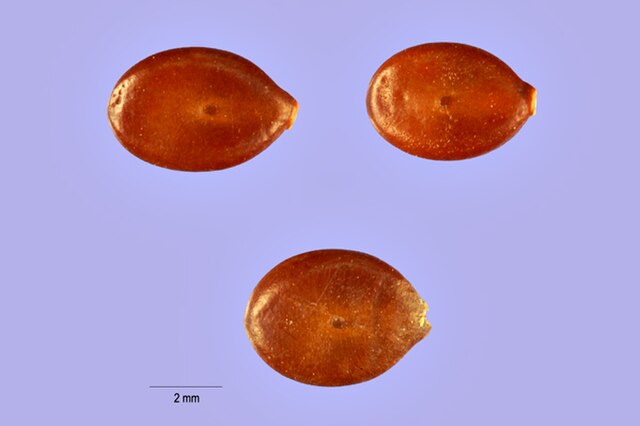
Planting: Use seed trays or small pots filled with a well-draining seed raising mix. Sow the seeds at a depth of about 1-2 times their size. Lightly water the mix to ensure it’s moist but not waterlogged.
Placement: Place the seed trays or pots in a location that receives indirect sunlight. A greenhouse or a shaded part of your backyard nursery is ideal. This will protect the young seedlings from extreme weather conditions while ensuring they receive enough light for healthy growth.
Care: Regularly monitor the moisture level of the soil, ensuring it remains consistently moist but not soggy. Over time, as the seeds germinate and seedlings emerge, you can gradually introduce them to more direct sunlight to mimic the conditions they’ll face once transplanted.
Transplanting: Once the seedlings have grown a few inches tall and have developed a sturdy root system, they can be transplanted into larger pots or directly into the ground, depending on your nursery setup and intended use of the saplings.
Running a small backyard nursery with Mulga trees can be a rewarding endeavor, especially when you propagate the trees from seed. With patience, care, and a bit of knowledge about the tree’s needs, you can raise robust Mulga saplings that are ready to grace gardens, parks, or natural landscapes, carrying with them the rich legacy of the Australian wilderness.
Pests and Diseases
The Mulga tree, Acacia aneura, is renowned not just for its iconic presence in the Australian landscape but also for its robust nature that shields it from many common pests. However, even the hardiest of plants can sometimes fall prey to specific issues when conditions are less than optimal.
Borers
Borers are a group of insects that lay their eggs on tree trunks, and upon hatching, the larvae bore into the wood, causing damage from the inside. Signs of borer infestation include tiny holes in the trunk, sawdust-like frass (excrement) around these holes, and weakened or dying branches. The Mulga tree, with its dense wood, offers resistance against many pests, but borers can sometimes pose a challenge.
To manage borers, it’s crucial to maintain the overall health of your Mulga tree. Stressed trees are more attractive to borers. Ensure it receives proper water, nutrients, and is planted in suitable conditions. Infested branches should be pruned and destroyed to prevent the spread. In severe cases, specific insecticides designed for borers can be used, but always follow label instructions and consider environmental impacts.
Root Rot
Root rot is not so much an issue of pest infestation as it is about fungal pathogens taking advantage of unfavorable conditions. When Mulga trees are planted in soils that retain excessive moisture, they become susceptible to these fungi, which attack the roots and can compromise the entire tree’s health.
Symptoms of Root Rot: Early signs of root rot include yellowing of leaves, reduced growth, and a general decline in the tree’s health. As the disease progresses, the base of the trunk might exhibit a dark, wet appearance, and the tree can become unstable.
Prevention is the best approach when it comes to root rot. Ensure the Mulga tree is planted in well-draining soil. If you’re transplanting or just starting, consider adding organic matter or sand to improve drainage. If root rot is suspected, reduce watering frequency. In advanced cases, it might be necessary to remove and replace the affected tree, ensuring the new planting doesn’t face the same drainage issues.
Routine checks of your Mulga tree can help detect issues early on. By observing changes in the appearance of leaves, bark, and overall vigor, you can address potential problems before they escalate. Moreover, understanding the natural life cycle of your tree, such as its dormant phases and growth spurts, can help differentiate between normal behavior and potential distress signs.
In essence, while the Mulga tree is a formidable and resilient plant, maintaining optimal conditions and practicing attentive care can ensure it thrives, free from major pest or disease concerns.
Pruning and Maintenance
The Mulga tree, Acacia aneura, is celebrated for its natural, rugged beauty and its ability to thrive with minimal intervention. Yet, just like any tree, there are times when a little human touch can enhance its form and function. Pruning, when done correctly, can be instrumental in ensuring the tree’s long-term health and aesthetic appeal.
Reasons to Prune the Mulga Tree:
Aesthetic Shaping: The natural growth pattern of the Mulga tree is undeniably beautiful, with its sprawling branches and canopy. However, for those seeking a specific shape or silhouette – perhaps to fit a garden theme or to harmonize with surrounding plants – selective pruning can be employed to guide its growth.
Removal of Dead or Damaged Branches: Dead, diseased, or damaged branches can become a drain on the tree’s resources. They can also serve as entry points for pests or pathogens. Removing these ensures that the tree’s energy is directed towards healthy growth.
Safety: Over time, some branches may grow too close to structures, utility lines, or pathways. Pruning these branches reduces potential hazards, especially during storms or strong winds.
Stimulating Growth: While the Mulga is naturally robust, occasionally pruning can invigorate the tree, encouraging a flush of new growth and sometimes even enhancing flower production.
Pruning Tips:
Right Tools: Always use sharp and clean pruning tools. This ensures cleaner cuts, which heal faster, and reduces the risk of transmitting diseases.
Best Time: The ideal time to prune the Mulga tree is during its dormant period or just after its flowering phase. This reduces stress and allows the tree to heal rapidly.
Method: Make cuts at a slight angle, just above a leaf node or branching point. This encourages new growth in the desired direction. For larger branches, use the three-cut method: one cut on the underside of the branch, the second further out to remove the branch, and the final cut to shape and smooth the remaining stub.
Limit the Pruning: Since the Mulga tree is adapted to thrive with minimal interference, it’s essential not to over-prune. Remove only what’s necessary to achieve the desired shape and health.
Monitor & Care: After pruning, monitor the tree for any signs of stress or disease. It’s also a good practice to water the tree a bit more than usual after a significant pruning session, ensuring it has adequate resources to heal and grow.
In conclusion, while the Mulga tree’s inherent hardiness means it doesn’t demand frequent pruning, a well-timed and thought-out pruning session can augment its health and beauty. Always approach the task with knowledge and respect for the tree’s natural tendencies, ensuring that the interventions align with its innate rhythms and characteristics.
Landscape Use of Mulga Tree in Arid Southwest Cities
In cities like Phoenix, Tucson, and Las Vegas, where the searing heat and limited water supply are defining characteristics, landscaping choices often revolve around plants that can stand up to these challenges. The Mulga tree, Acacia aneura, not only thrives under these conditions but also adds a touch of native Australian beauty to urban and suburban settings.
Street Tree:
Heat and Drought Resistance: The Mulga tree’s inherent ability to endure high temperatures and prolonged dry spells makes it an excellent choice for street-side plantings. These areas often face increased heat due to asphalt and concrete and have restricted soil volume, which can exacerbate drought conditions.
Minimal Litter: Unlike some urban trees, Mulga trees do not drop large leaves or fruit that might create litter on streets or sidewalks. Their seed pods, though present, are less problematic than the bulky debris from some other species.
Size: Typically growing to a height of 15-30 feet (4.5-9 meters), the Mulga is appropriately sized for many street-side locations, not growing so tall as to interfere with utility lines or buildings.
Patio Tree:
Shade Provider: The dense foliage of the Mulga tree offers a lovely, dappled shade, perfect for patios where residents might seek respite from the intense southwestern sun.
Compact Growth: For homes or businesses with limited outdoor space, a Mulga tree can be pruned and shaped to fit patio gardens without overwhelming the area.
Aesthetic Appeal: Its distinctive leaves, bark, and seasonal yellow flowers can add visual interest to a patio setting, providing a conversation starter or just a beautiful backdrop for relaxation.
Accent Tree for Residential and Commercial Landscapes:
Focal Point: Given its unique form and foliage, the Mulga tree serves as an excellent accent or specimen tree, drawing the eye and setting the tone for a landscape design.
Low Maintenance: Especially in commercial settings where maintenance budgets might be a concern, the Mulga’s low water needs and general hardiness can lead to savings in both time and resources.
Wildlife Attraction: In both residential and commercial settings, the Mulga tree’s flowers can attract local pollinators, adding life and movement to a landscape.
Windbreak or Screen:
Density: The Mulga tree’s thick foliage can act as a natural windbreak, reducing wind speeds and protecting more delicate plants or outdoor seating areas.
Privacy Screen: In commercial or residential areas where privacy is a concern, strategically planted Mulga trees can provide a green screen, shielding properties from prying eyes or unwanted noise.
In conclusion, the Mulga tree’s versatility and resilience make it a standout choice for a wide range of landscape applications in the arid regions of the Southwest. Whether it’s gracing the streets of Phoenix, offering shade on a Tucson patio, or serving as a striking accent in a Las Vegas commercial property, the Mulga tree is well-equipped to shine while requiring minimal care.
Potential Concerns for Pets and Children
The seed pods of the Mulga can be a choking hazard for small children. Additionally, while not highly toxic, ingestion of large quantities of leaves or seeds can be harmful. Always supervise children and pets around the tree.
Benefits for Gardeners and Homeowners
The Mulga tree, Acacia aneura, isn’t just an emblem of the Australian outback; it’s an emblem of resilience, beauty, and sustainability. For gardeners and homeowners in arid regions of the US, particularly in California, Arizona, and Nevada, this tree offers numerous benefits that resonate deeply with the challenges and desires specific to these areas.
Drought Resistance
Water Conservation: With water becoming an increasingly precious resource in states like California, Arizona, and Nevada, the Mulga tree’s ability to thrive in drought conditions means homeowners can maintain verdant gardens without excessive water use. This can lead to significant savings on water bills and helps conserve vital water resources.
Less Maintenance: Unlike other trees that might need frequent watering, especially during dry spells, the Mulga requires minimal attention once established, making it an excellent choice for gardeners who prefer a more hands-off approach or those with busy lifestyles.
Unique Aesthetic Appeal:
Distinctive Look: With its slender, phyllode-like leaves and bright yellow flowers, the Mulga tree offers a visual appeal different from many other trees typically found in North American gardens. Its aesthetic can introduce an exotic feel to gardens.
Seasonal Blooms: The bright yellow spherical flower clusters can be a visual treat, adding a pop of color to the landscape.
Sustainability and Ecosystem Support:
Pollinator Attraction: The Mulga’s flowers can attract a variety of pollinators, enhancing local biodiversity and supporting ecosystems.
Soil Health: The tree’s roots can help in stabilizing the soil, preventing erosion, especially in sandy or loose-soil areas common to the Southwest.
Versatility in Landscaping:
Space Adaptability: Whether you have a sprawling garden or a compact urban lot, the Mulga tree, due to its moderate size, can fit seamlessly. Its ability to serve as a focal point or a background canopy means it can be incorporated into various landscape designs.
Shade and Shelter: Especially in the blazing summer months of California, Arizona, and Nevada, the Mulga tree can provide much-needed shade, creating cool spots in gardens or patios.
Benefits for Specific States:
California: Given the frequent and severe drought conditions California faces, Mulga trees can be part of a sustainable solution, aligning with the state’s push for xeriscaping and water-wise gardening.
Arizona and Nevada: In areas like Phoenix, Las Vegas, and Tucson, where temperatures soar, the Mulga tree stands resilient, offering homeowners a reliable and beautiful tree choice that won’t wilt under the desert sun.
In essence, the Mulga tree offers gardeners and homeowners in arid parts of the US a blend of beauty, resilience, and sustainability. As challenges like drought intensify, choices like the Mulga tree underscore a future of gardening that is both eco-conscious and stunning.
Testamonials and Experiences with Mulga**
The Mulga tree, Acacia aneura, brings together both beauty and resilience, making it an appealing choice for homeowners in arid regions like Phoenix. While its benefits on paper are substantial, sometimes it’s the personal experiences of local residents that truly highlight its value.
Water Savings and Reduced Maintenance:
Sarah, from Tempe says “When we first moved to our home five years ago, our front yard was mostly turf grass, and it was thirsty! After two hefty water bills, we decided to revamp our garden. We planted a Mulga tree right at the entrance. Not only has it thrived with minimal water, but our bills have significantly reduced. It’s a beautiful welcome to our home, and it saves us money!”
Unique Aesthetic and Seasonal Blooms:
Diego, from downtown Phoenix reports that he “wanted something different for my small urban garden. The Mulga tree, with its slender leaves and vibrant flowers, was a game-changer. Every spring, when it blooms, my neighbors comment on its beauty. It feels like having a piece of Australia right in my backyard.”
Supporting Local Ecosystem:
Linda, from Mesa loves the way her Mulga attracts local wildlife. “As a nature enthusiast, I love watching the birds and bees in my garden. Since adding the Mulga tree to my backyard, I’ve noticed an uptick in pollinators, especially during its flowering season. It’s become the central hub of activity in my little suburban ecosystem.”
Shade and Comfort:
Raj, from Chandler says, “Our patio used to be unbearable during the summer afternoons, with the Arizona sun beating down. We planted a Mulga tree close by, and over the years, it’s grown to provide just the right amount of shade. Our patio dinners have made a comeback!”
A Tree for Front and Back:
Helen and Mark, from Scottsdale: “We have two Mulga trees – one in our front yard and another in the back. The one in the front adds to our home’s curb appeal. In the backyard, it’s the perfect shade tree for our lounging area. It’s been wonderful to see them grow and add character to our property.”
For Phoenix residents, the Mulga tree isn’t just another landscaping option; it’s a testament to the beauty and resilience that aligns with the spirit of the desert. Through their stories, we see a pattern of appreciation, not just for its aesthetic appeal but for the tangible benefits it brings to their homes and lifestyles.
Final Thoughts
In the vast tapestry of flora that gardeners and homeowners can choose from, the Mulga tree, Acacia aneura, stands out with its distinct charisma. Originally hailing from the vast expanses of the Australian desert, it now finds a resonant home in the arid landscapes of the Southwest, signifying resilience, adaptability, and captivating allure. This tree doesn’t just represent a planting choice; it offers a testament to the symbiotic relationship between humans and the environment.
From the heartwarming tales of residents in Phoenix to the evident benefits for our ecosystem, it’s clear that the Mulga tree is making a profound impact. It serves as a bridge between our desire for aesthetic beauty and the pressing need for sustainable choices in an ever-changing climate. Every bloom, every shade it offers, and every bird or insect it attracts echoes a deeper narrative of coexistence and harmony.
Furthermore, the personal experiences shared by homeowners underscore a pivotal message: gardens and landscapes aren’t just about visuals; they’re about creating spaces of comfort, memories, and connections. For many, the Mulga tree has become an integral part of their personal stories, enhancing their homes and enriching their daily lives.
As we stand at the crossroads of environmental awareness and urban expansion, embracing choices like the Mulga tree can guide us toward a more sustainable and harmonious future. It’s a future where our gardens reflect not just our personal tastes but our collective responsibility to the planet. So, as you ponder your next gardening venture or seek to redefine your outdoor space, remember the promise and potential that the Mulga tree holds. It’s more than just a tree; it’s a beacon of hope and a step toward a greener, more vibrant tomorrow. Dive into the world of gardening with both purpose and passion!
Resources and References
“Australian Native Plants: Acacia aneura.” Australian National Botanic Gardens.
Jones, D., & Elliot, R. (2006).
“The Encyclopaedia of Australian Plants.” Lothian Press.
Wrigley, J. & Fagg, M. (2003).
“Australian Native Plants: Cultivation and Uses in the Health and Food Industries.” Timber Press.
 Desert Gardener