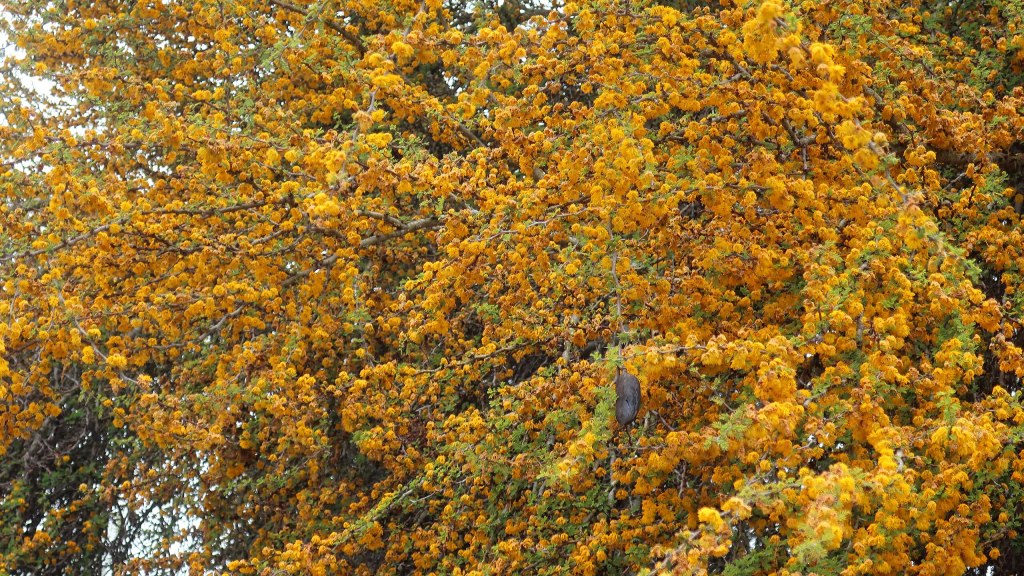
Acacia Species – Acacia
Acacia trees, standing tall and majestic in the desert southwest landscape, epitomize the harmonious marriage of form and function, offering not only their striking silhouettes but also their invaluable contributions in providing shade, conserving water, and showcasing the resilience of life in arid environments.
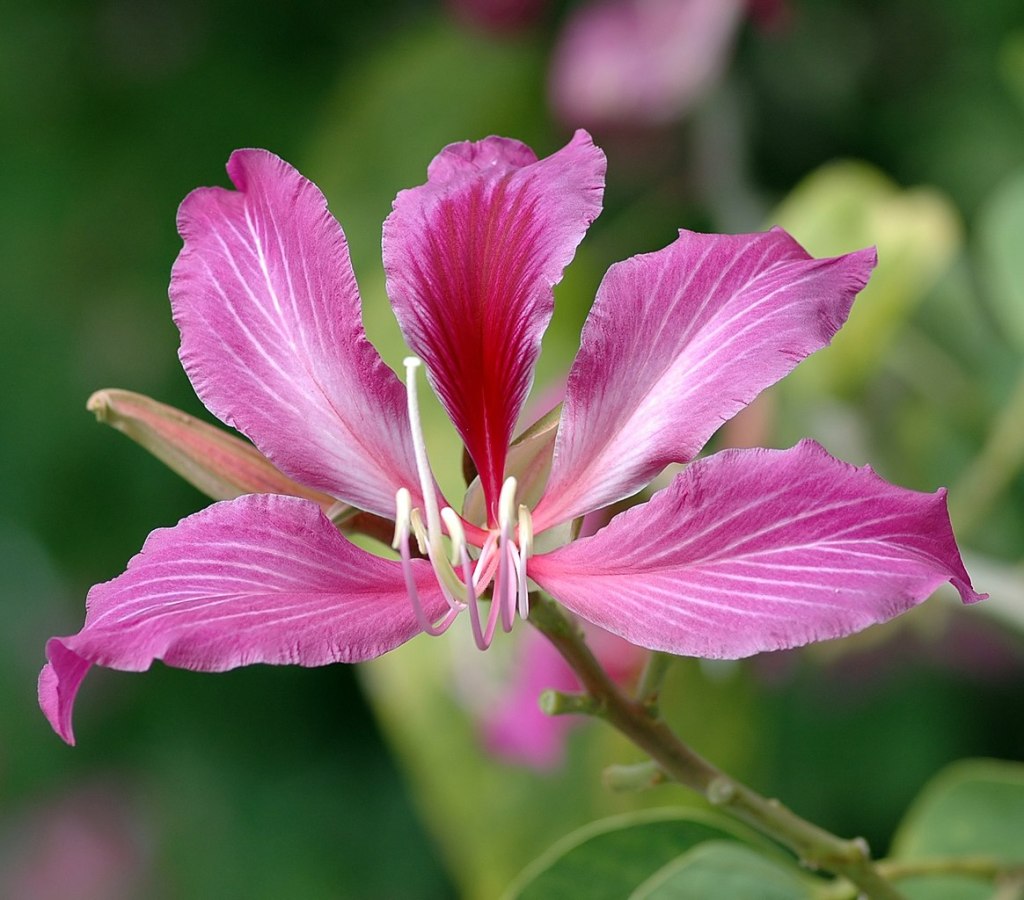
Bauhinia – The Orchid Tree
Orchid trees in Arizona, with their delicate blossoms adorning the desert with a touch of exotic elegance, serve as captivating reminders of nature’s ability to surprise and thrive even in the most unexpected of places.
Brachychiton Species – The Bottle Tree
The bottle tree, graces the landscape of the desert southwest with its distinctive trunk and unique form, adding a touch of whimsical charm and a dash of Australian allure to the arid surroundings.

Brahea Species – Hesper Palms
Brahea palms, with their graceful fronds rustling in the desert breeze, stand as regal and resilient icons in the desert garden, embodying the spirit of endurance and beauty in even the harshest of conditions.
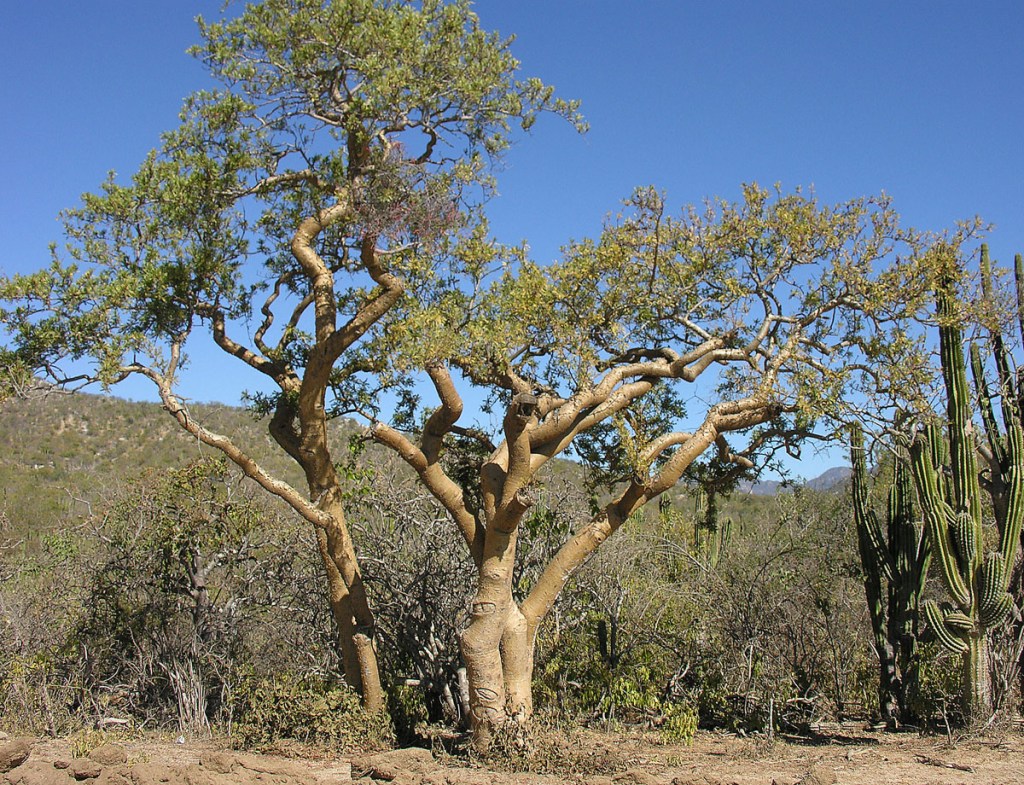
Bursera – Elephant Tree
Bursera trees, with their aromatic resin and intricate foliage, bring an air of mystique and ancient wisdom to the desert landscape, telling tales of resilience and adaptation etched in their bark.
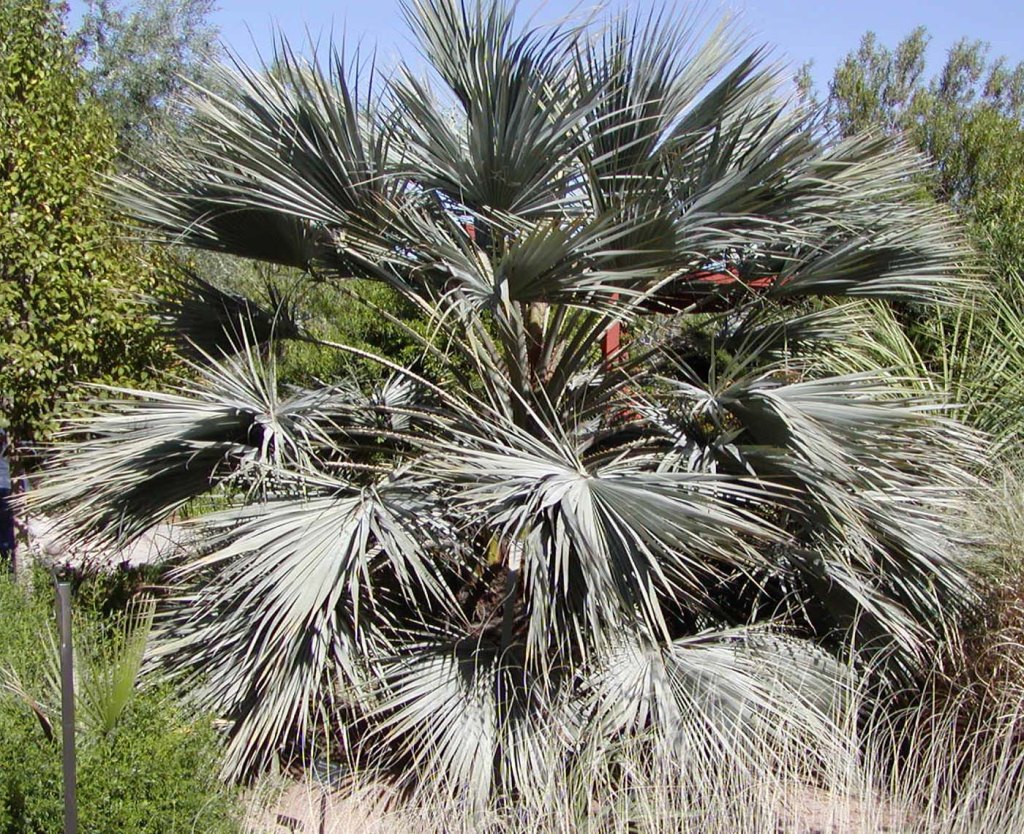
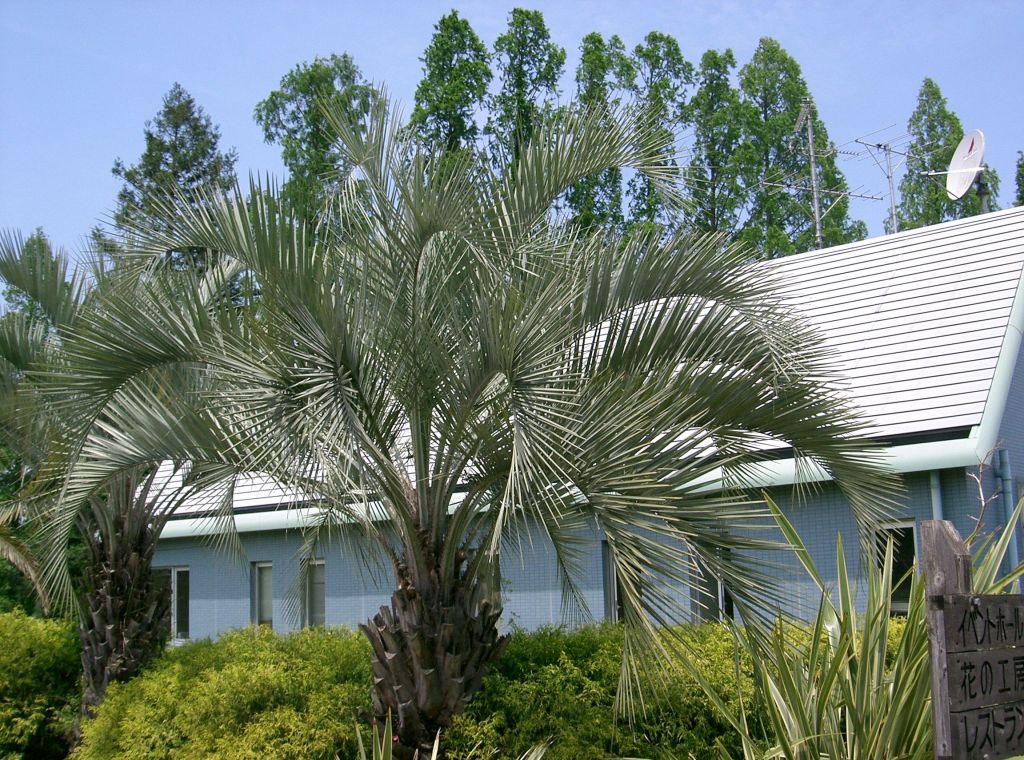
Butia – Jelly Palm
Butia capitata, also known as the jelly palm, casts a tropical spell in unexpected desert realms, gracing the landscape with its feathery fronds and producing luscious fruit, a testament to nature’s capacity to thrive in diverse environments.
Caesalpinia – Cascalote
Caesalpinia cacalaco, with its striking golden flowers and spiny elegance, emerges as a dazzling star in the desert landscape, embodying the spirit of adaptation and adding a touch of brilliance to the arid surroundings.

Callistemon Species – Bottlebrush
Callistemon, known for its fiery bottlebrush-like blooms, infuses the desert landscape with a burst of vibrant color and provides a nectar-rich haven for desert-adapted wildlife, showcasing nature’s ingenuity in even the harshest environments.

Canotia holacantha – Crucifixion Thorn
Canotia holacantha, aptly named Crucifixion Thorn, stands as a resilient symbol of the desert’s harsh beauty, its intricate branches resembling outstretched arms adorned with thorns, embodying the tenacity of life in arid landscapes.

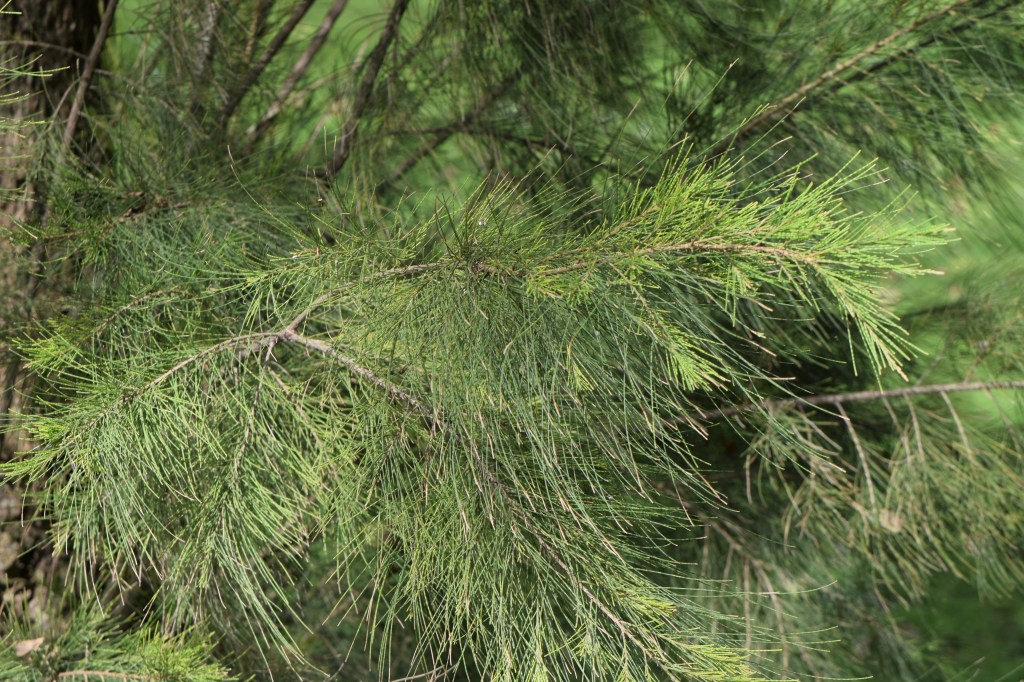
Casuarina Species – Beefwood
Casuarina species, commonly known as Beefwood, bring an exotic touch to desert landscapes with their unique and feathery foliage, reminding us of the fascinating diversity that nature offers even in the toughest environments.
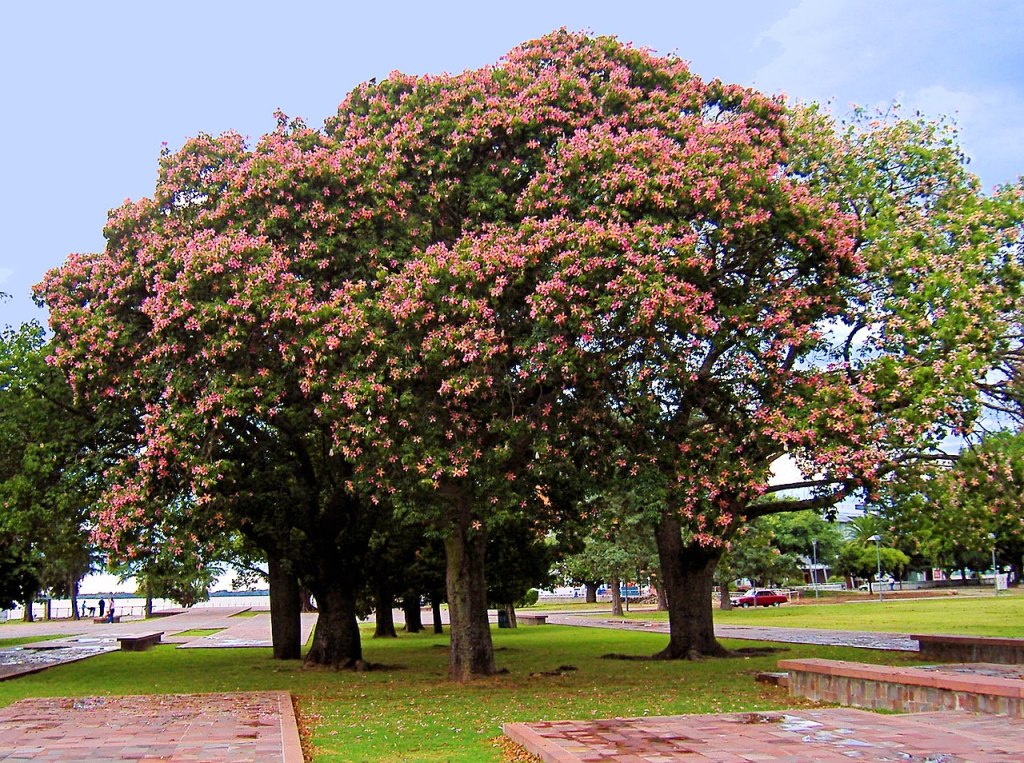
Ceiba speciosa – Silk Floss Tree
Ceiba speciosa, the Silk Floss Tree, adorns the desert landscape with its towering presence and distinctive spiny trunk, while its breathtaking pink or white blossoms and fluffy seed pods add a touch of ethereal beauty to the arid surroundings.
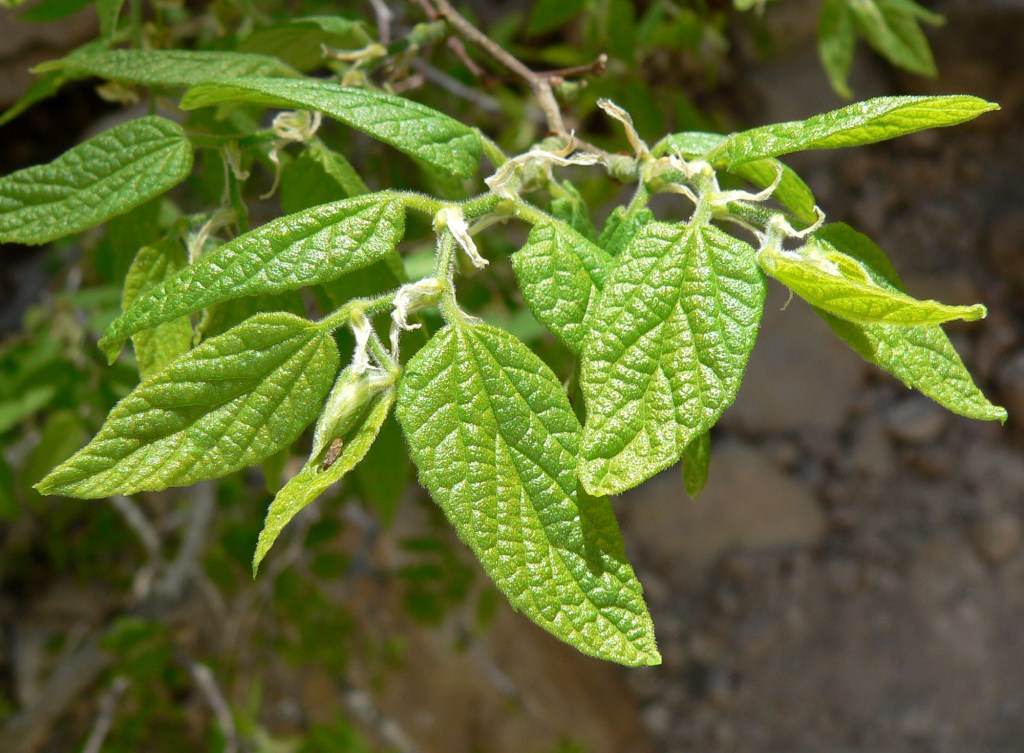
Celtis species – Hackberry
Celtis reticulata, also known as Desert Hackberry, graces the desert landscape with its hardy nature and intricate branching, providing shelter, sustenance, and a dash of greenery in arid environments that speaks to its role as a resilient guardian of desert life.
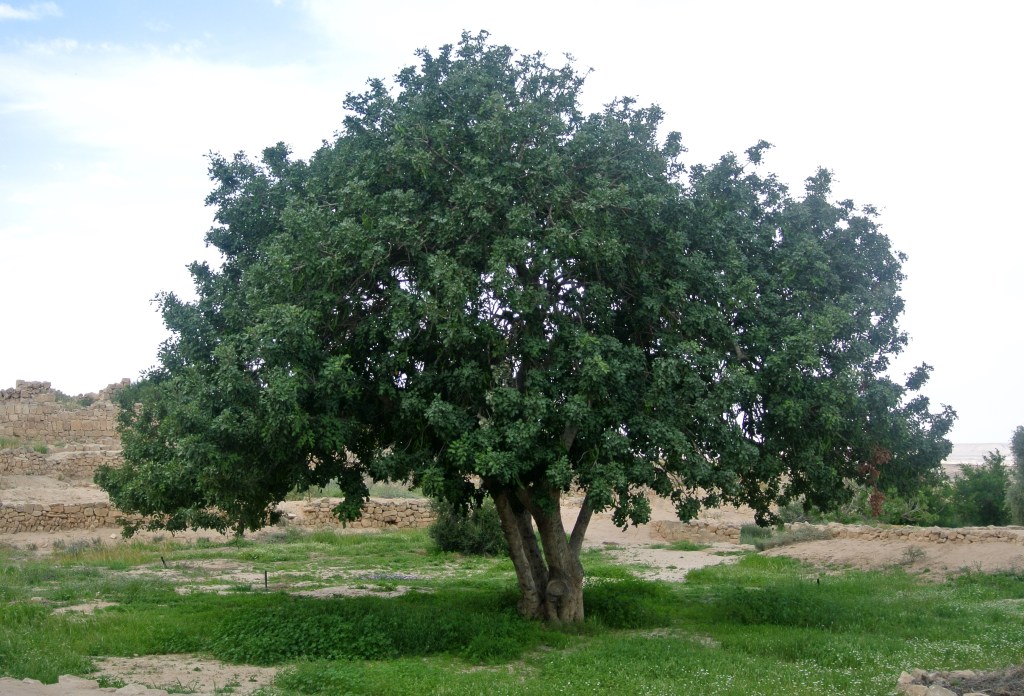
Ceratonia siliqua – Carob
Ceratonia siliqua, the Carob tree, offers a touch of Mediterranean charm to the desert landscape with its glossy foliage and nutritious pods, illustrating how nature’s diversity can thrive even in the sun-drenched embrace of arid regions.
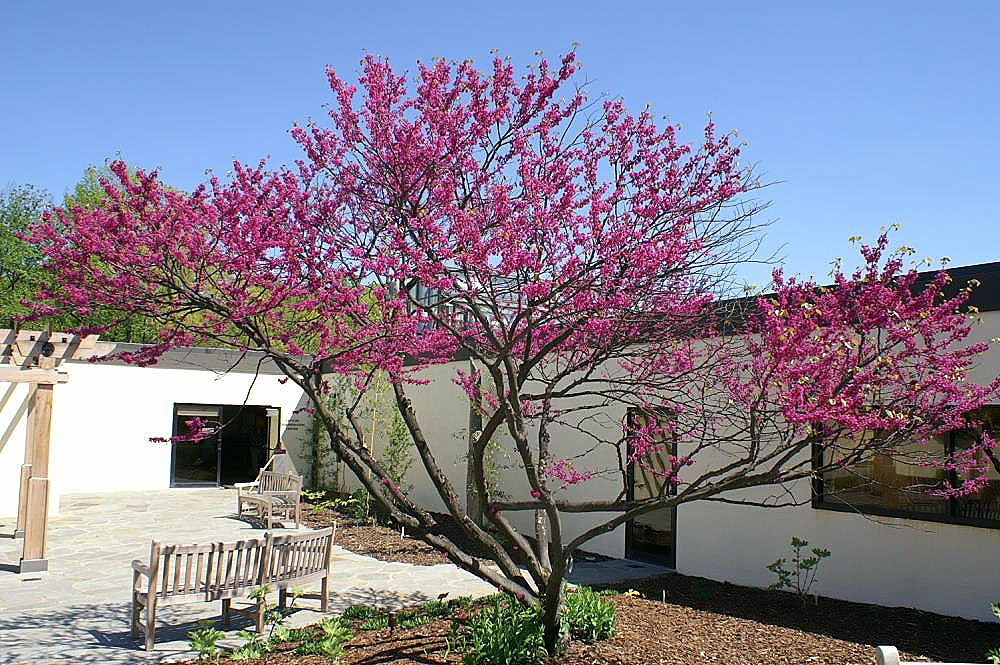
Cercis species – Redbud
Cercis canadensis var. mexicana, the Mexican Redbud, enchants the desert landscape with its vibrant magenta blooms, symbolizing nature’s ability to paint even the most rugged terrain with bursts of color and life.
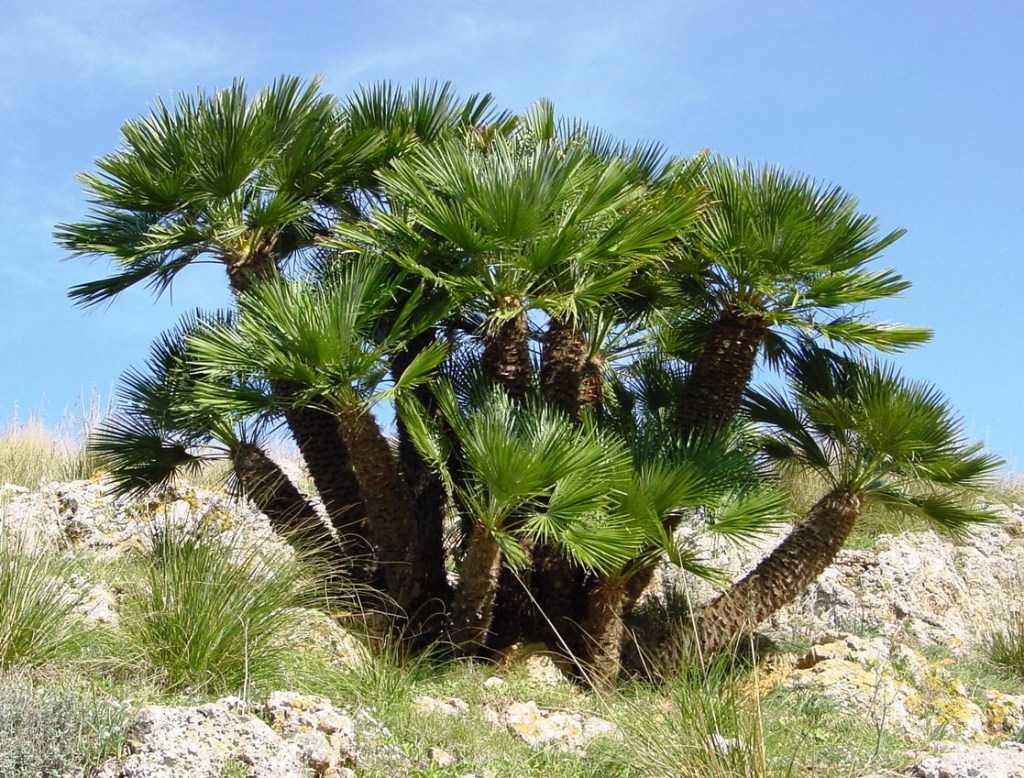
Chamaerops humilis -European Fan Palm
Chamaerops humilis, the European Fan Palm, graces the desert landscape with its elegant fan-like leaves, adding a touch of Old World charm and a sense of exotic tranquility to the arid surroundings.
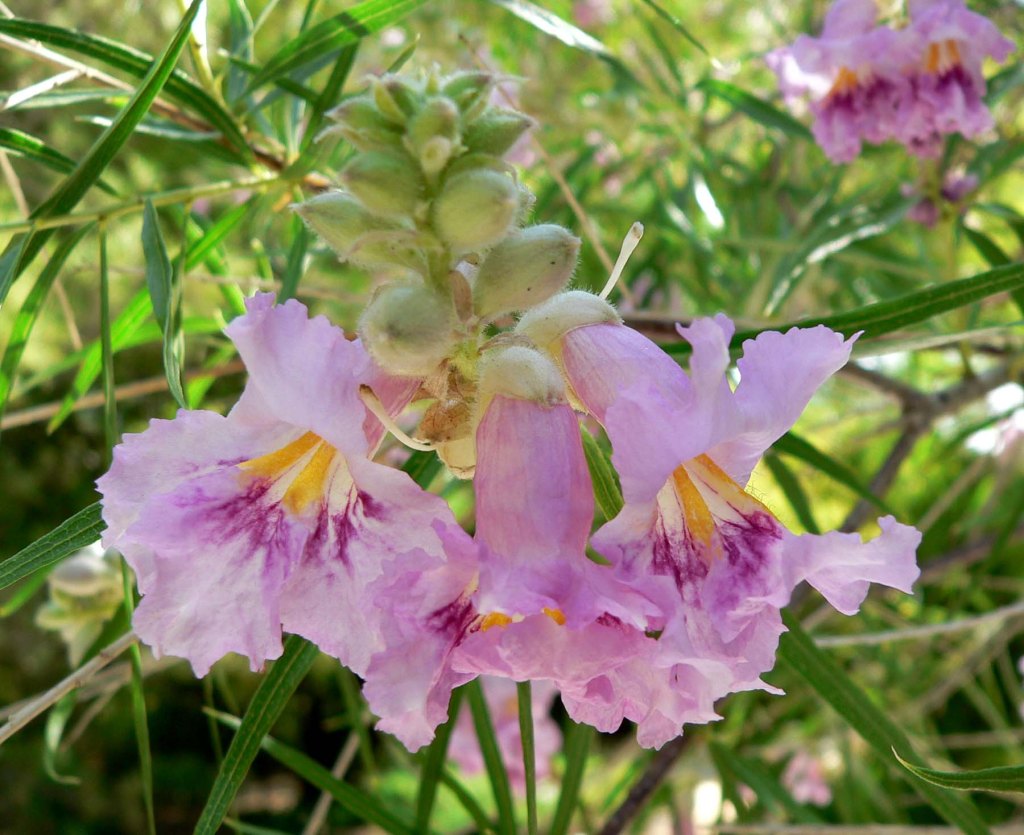
Chilopsis linearis – Desert Willow
Chilopsis linearis, the Desert Willow, adorns the desert landscape with its delicate, trumpet-shaped flowers and graceful foliage, embodying the spirit of endurance and beauty that thrives in even the most arid environments.
Chitalpa tashkentensis – Chitalpa
Chitalpa tashkentensis, known as the Chitalpa, graces the desert landscape with its captivating fusion of trumpet-like blooms and elegant foliage, creating a harmonious botanical symphony that celebrates nature’s creativity and adaptability in arid regions.
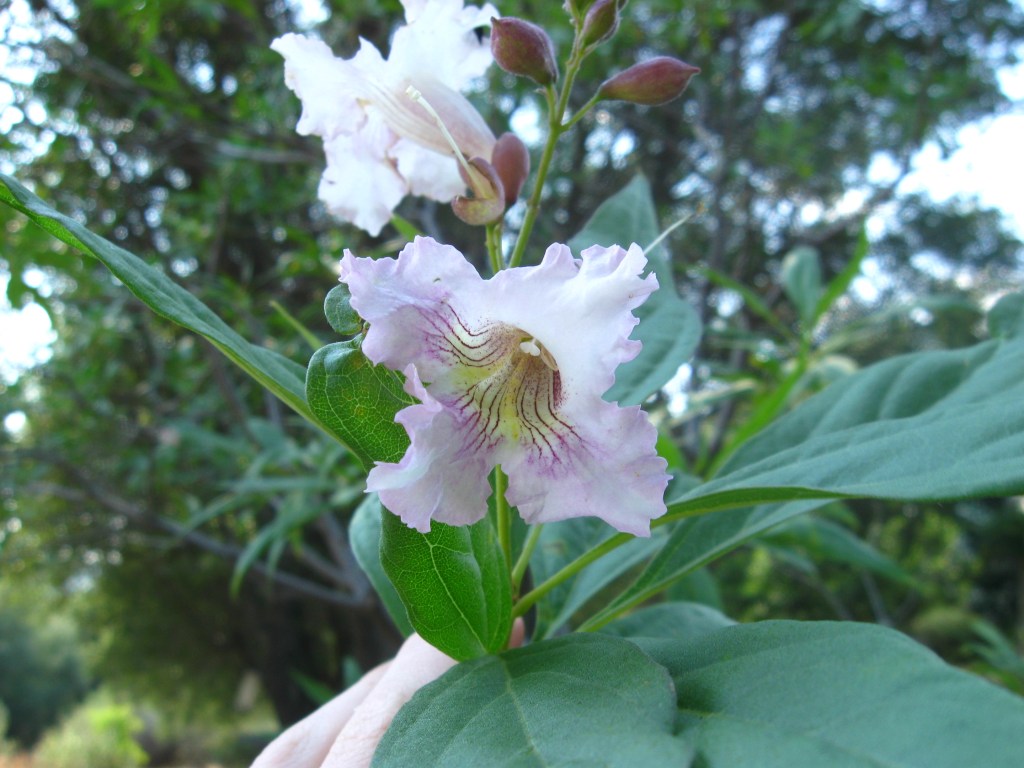
Condalia globosa – Bitter Snakewood
Condalia globosa, the Bitter Snakewood, weaves an intriguing narrative in the desert landscape with its gnarled branches and small, bitter berries, offering a unique insight into the resilience and interconnectedness of desert ecosystems.
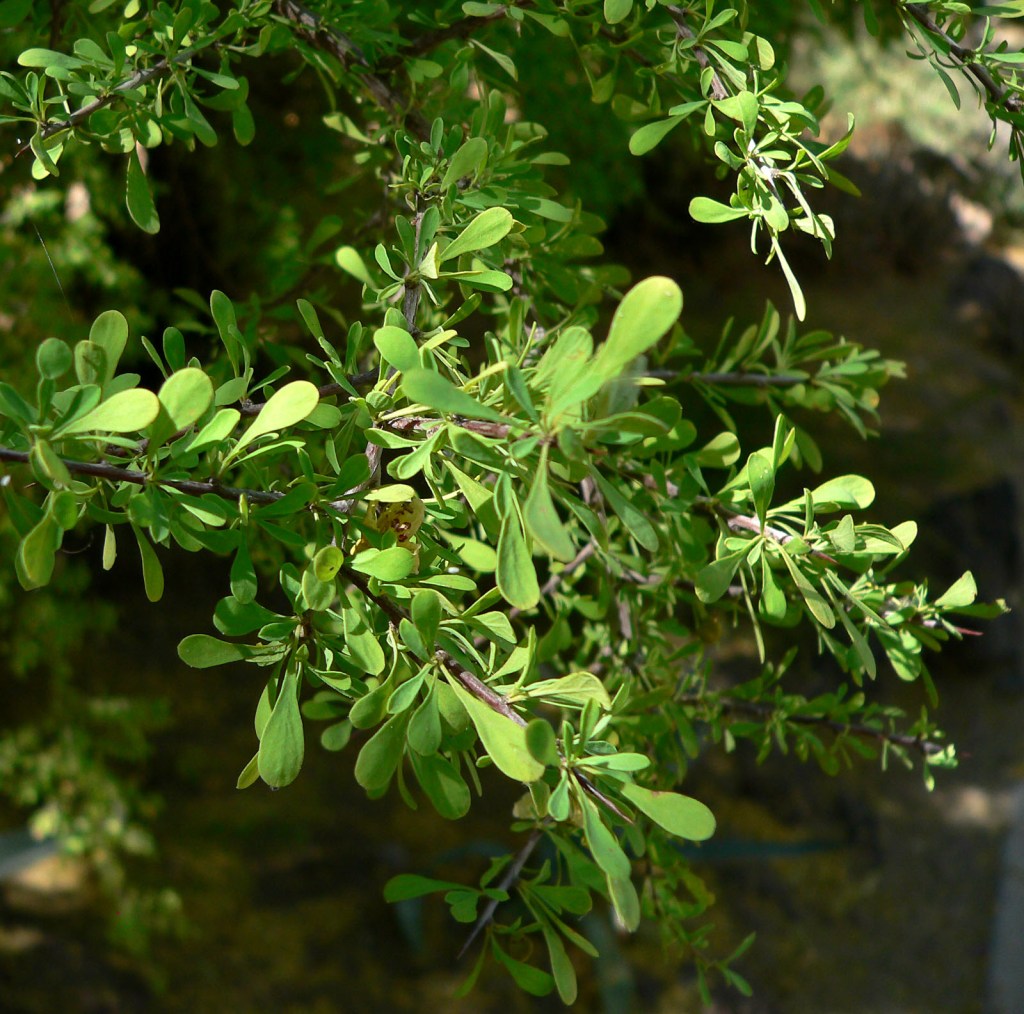
Cordia boissieri -Anacahuita
Cordia boissieri, fondly known as Anacahuita, graces the desert landscape with its fragrant white blossoms and lush foliage, exemplifying how nature weaves beauty and life into even the most arid environments.
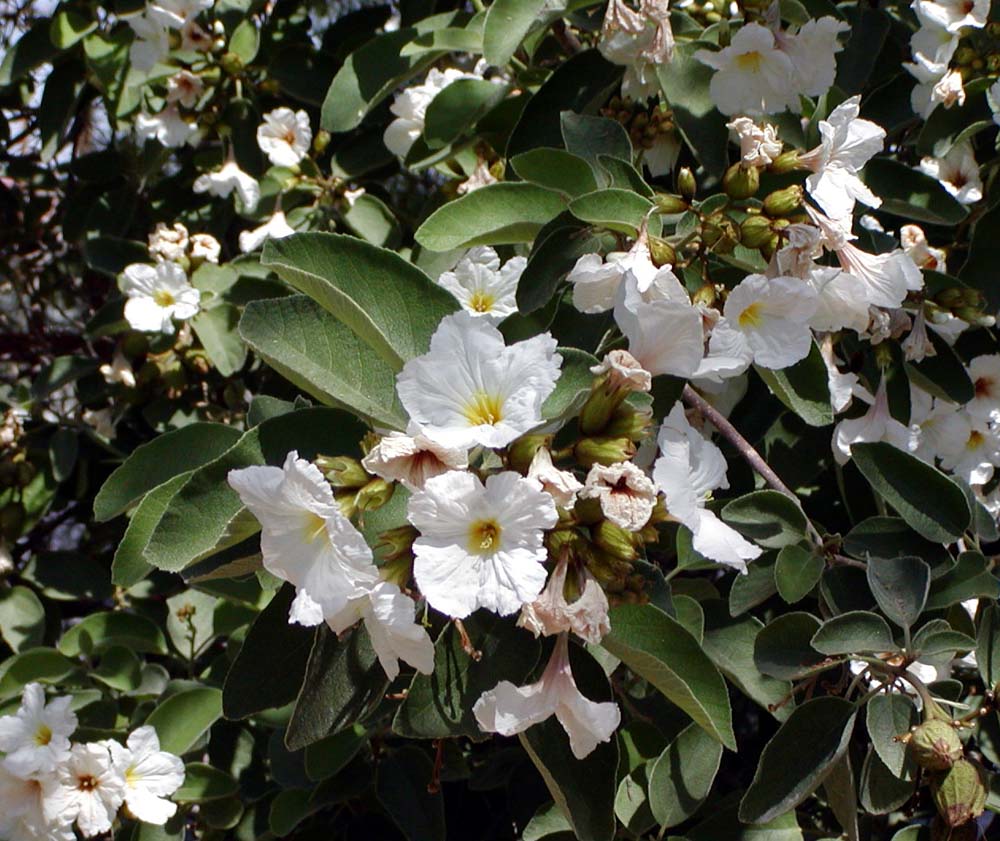
Cupressus arizonica -Arizona Cypress
Cupressus arizonica, the Arizona Cypress, lends an air of stately grace to the desert landscape with its distinctive blue-green foliage, showcasing the captivating elegance that thrives in the arid southwestern terrain.
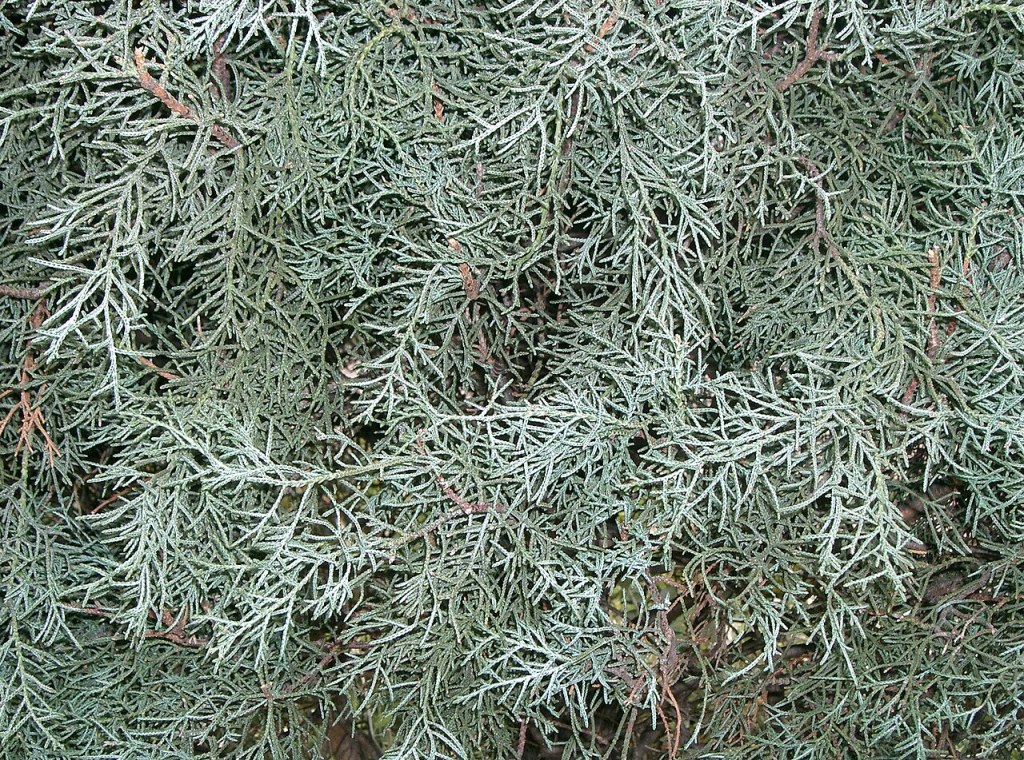
Cupressus sempervirens – Italian Cypress
Cupressus sempervirens, the Italian Cypress, stands as a symbol of timeless elegance in the desert landscape with its slender, soaring form, evoking a sense of Mediterranean charm amidst the arid expanse.

Dalbergia sissoo – Indian Rosewood
Dalbergia sissoo, the Indian Rosewood, adds a touch of exotic allure to the desert landscape with its richly hued wood and feathery foliage, demonstrating how diversity and beauty thrive even in the harsh embrace of arid environments.
Ebenopsis spp. – Ebony
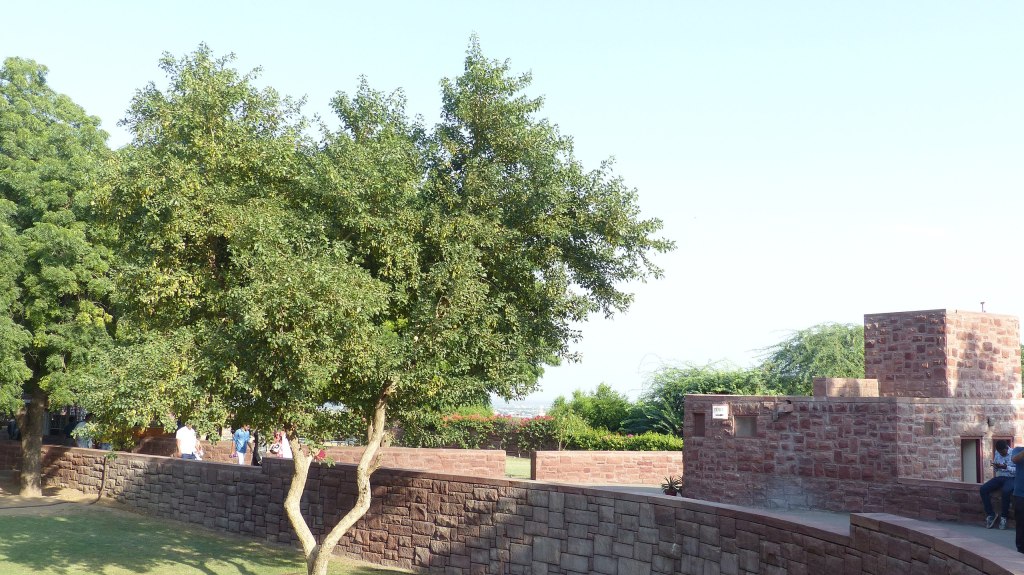
Ebenopsis species, with their dark and lustrous foliage, bring an air of mystique and sophistication to the desert landscape, exemplifying the artistry of nature in crafting botanical wonders that thrive in arid realms.
Eucalyptus Species – Eucalyptus
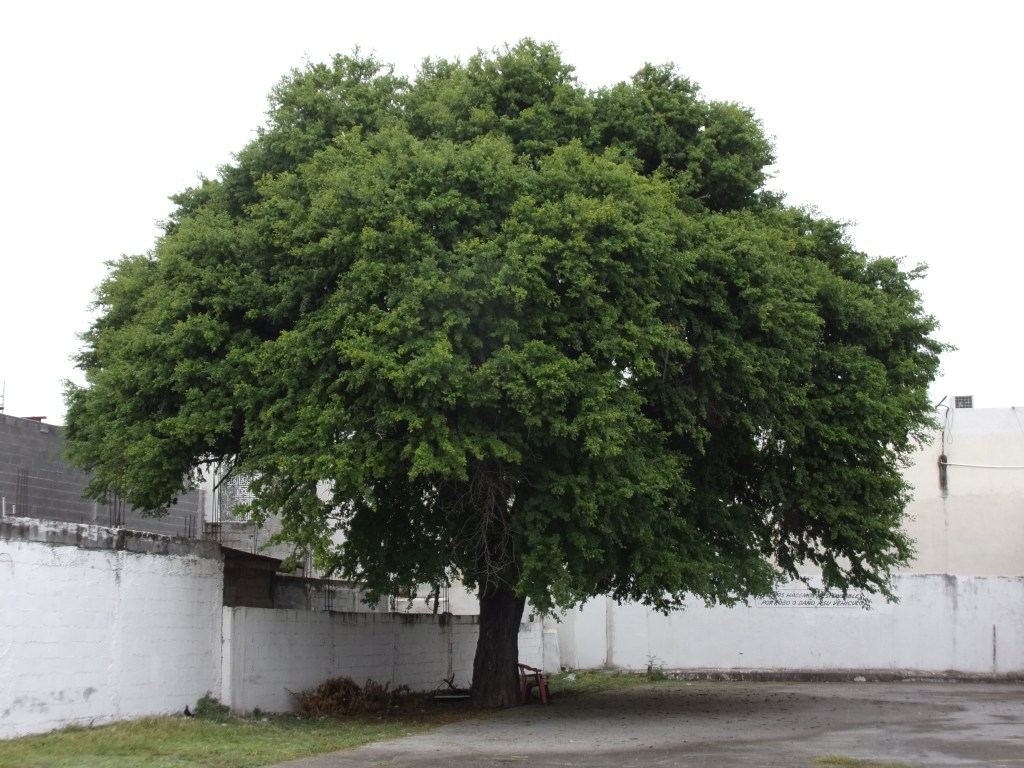
Eucalyptus species, a surprising sight in the desert southwest, infuse the landscape with their distinct aroma and unique beauty, showcasing nature’s ability to thrive and adapt in diverse and challenging environments.
Eysenhardtia orthocarpa – Tahitian Kidneywood
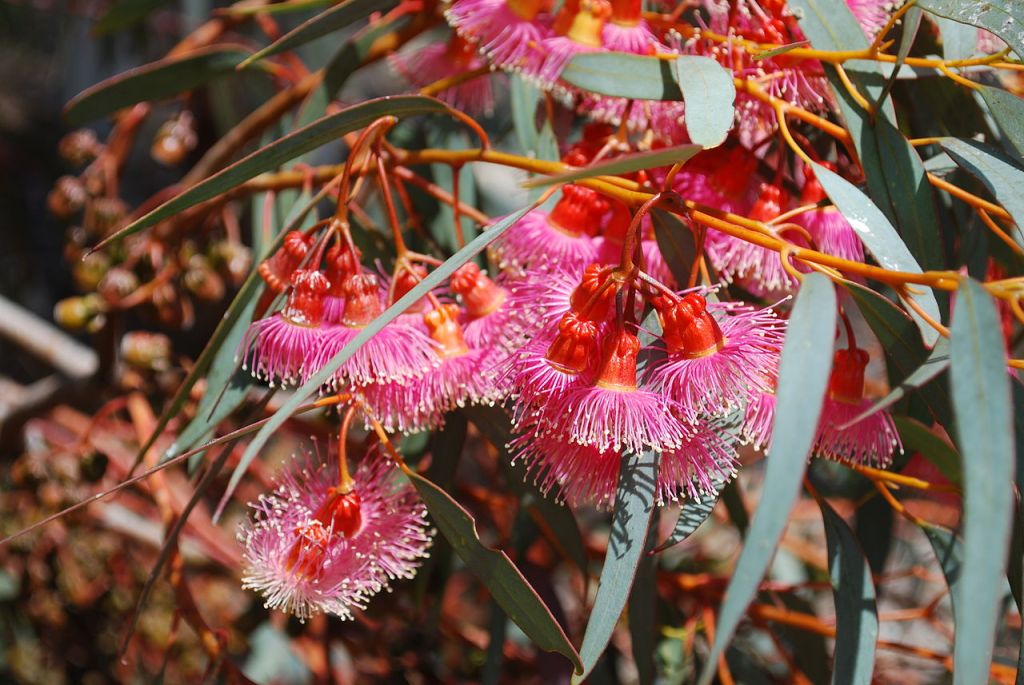
Eysenhardtia orthocarpa, the Tahitian Kidneywood, graces the desert landscape with its delicate blossoms and distinctive leguminous charm, adding a touch of elegance and ecological significance to arid ecosystems.

Fouquieria macdougalii – Mexican Tree Ocotillo
Fouquieria macdougalii, the Mexican Tree Ocotillo, stands as a remarkable desert sentinel with its spiky stems adorned in vibrant green leaves and fiery blooms, embodying the spirit of adaptation and resilience in arid environments.

Geijera parviflora – Australian Willow
Geijera parviflora, the Australian Willow, brings a touch of Australian charm to the desert landscape with its graceful branches and dainty blossoms, illustrating the captivating global diversity that thrives even in arid surroundings.

Gleditsia triacanthos – Honeylocust
Thornless honeylocust, graces the desert landscape with its airy foliage and golden fall color, showcasing nature’s ability to offer both beauty and practicality in even the harshest environments.

Havardia mexicana – Mexican Ebony
Havardia mexicana, the Mexican Ebony, stands as an elegant presence in the desert landscape with its glossy leaves and fragrant, intricate blossoms, embodying the essence of natural sophistication in arid surroundings.

Leucaena retusa – Littleleaf Leadtree
Leucaena retusa, the Littleleaf Leadtree, adds a touch of delicate beauty to the desert landscape with its fine foliage and cheerful yellow blooms, highlighting the intricate interplay between subtlety and vibrancy in arid ecosystems.
Lysiloma Species – Desert Fern
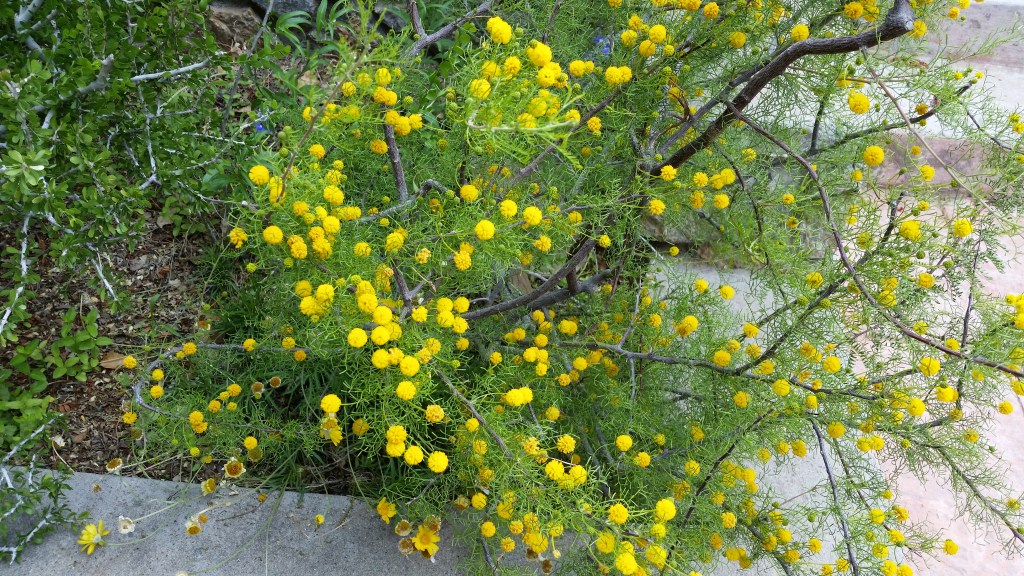
Lysiloma species, known as Desert Fern, grace the arid landscape with their fern-like foliage, offering a captivating botanical illusion that speaks to nature’s ingenuity in creating enchanting adaptations to the desert environment.

Olea europaea – Olive
Fruitless olive trees, thoughtfully planted in desert landscapes, bring a touch of Mediterranean charm without the mess of fruit drop, offering a harmonious blend of aesthetics and practicality in arid environments.

Olneya tesota – Desert Ironwood
Olneya tesota, the Desert Ironwood, stands as a hardy and enduring emblem of the desert landscape with its dense wood and delicate lavender blooms, embodying the strength and beauty that thrive in the harsh desert environment.
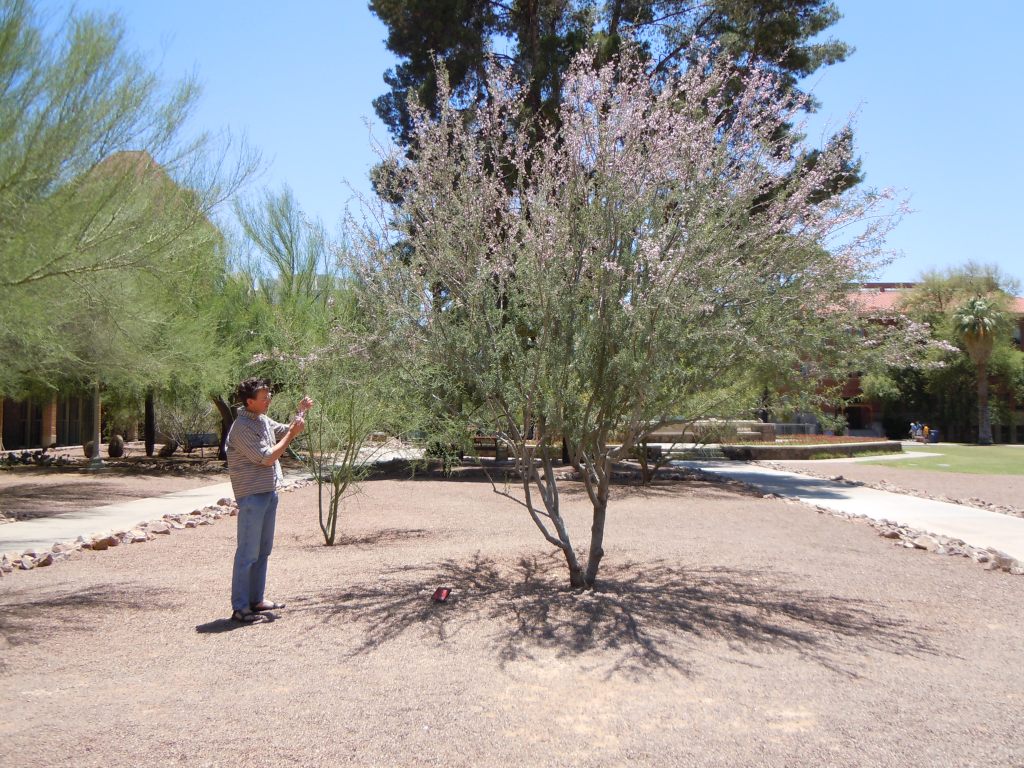
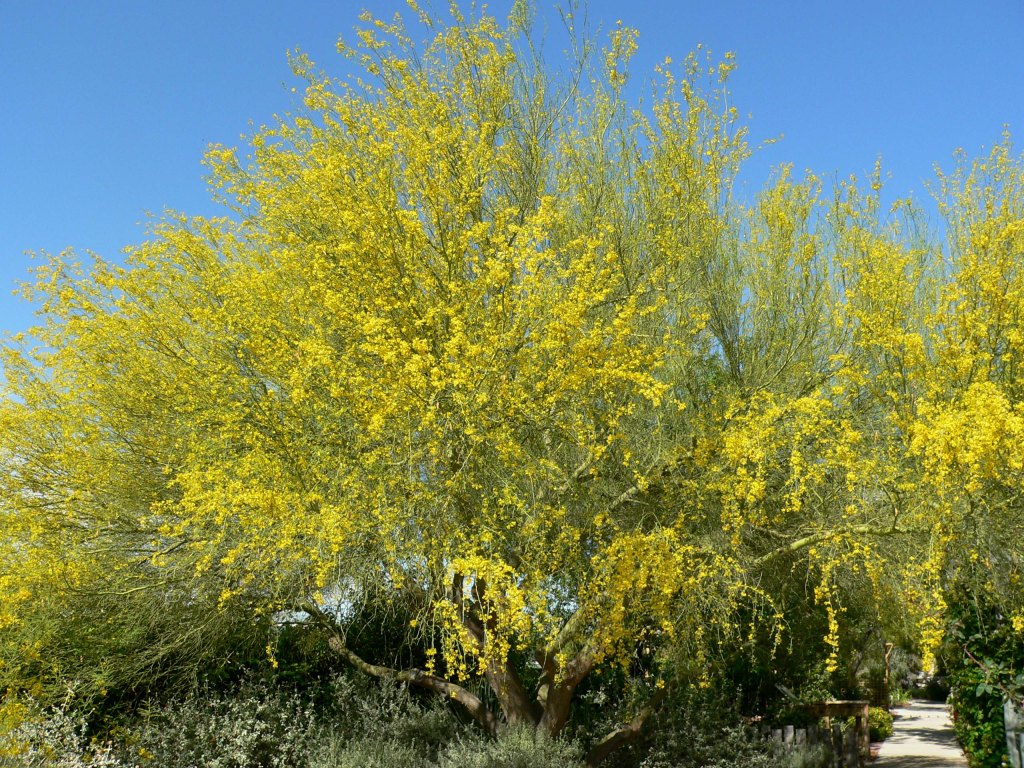
Parkinsonia Species – Palo Verde
The genus Parkinsonia, featuring species like Parkinsonia florida (Blue Palo Verde) and Parkinsonia aculeata (Mexican Palo Verde), adorns desert landscapes with their vibrant yellow blooms and intricate branching, showcasing nature’s ability to create artistic beauty in the most challenging of habitats.
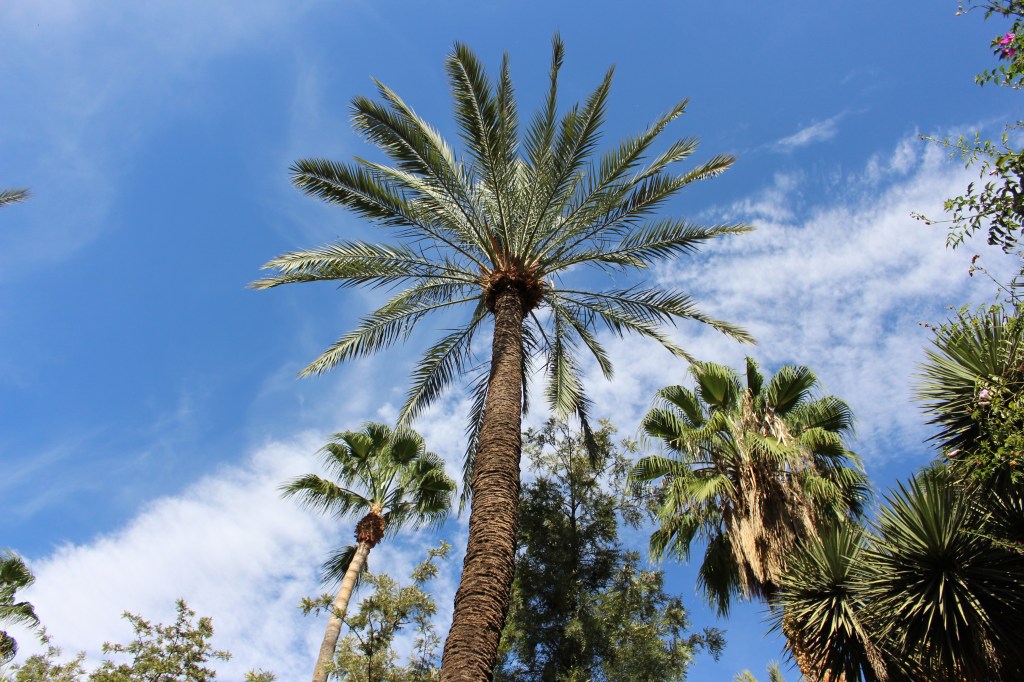
Phoenix Species – Date Palms
Date palms, with their iconic fronds and sweet fruit, find a cherished place in the Arizona landscape, offering both shade and a taste of exotic allure, a testament to their cultural significance and adaptability to the arid environment.
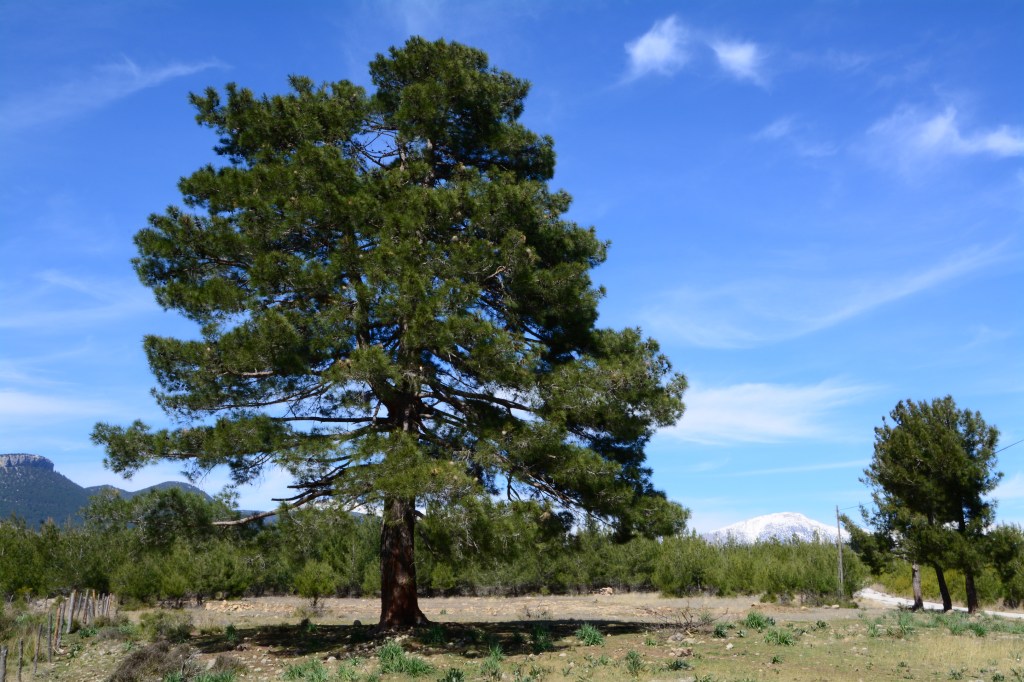
Pinus Species – Pine Trees
Pinus eldarica, the Afghan Pine, graces arid landscapes with its distinctive long needles and stately form, standing as a resilient and majestic presence that embodies the harmony of nature in challenging environments.
Pistacia Species – Pistachio
Pistacia species, thriving in the desert southwest, contribute an exotic touch to the landscape with their ornate foliage and edible fruits, showcasing the diverse botanical tapestry that can flourish even in arid regions.
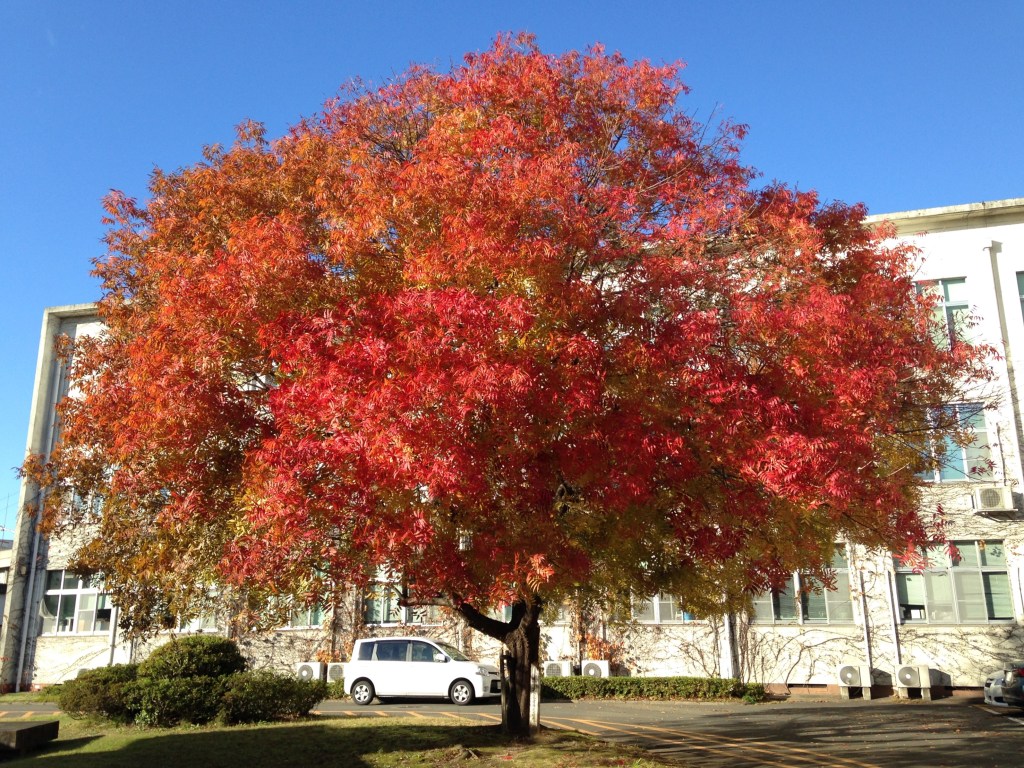
Pittosporum phillyraeoides – Willow Pittosporum
Pittosporum phillyraeoides, the Willow Pittosporum, adds an element of uniqueness to the landscape with its slender leaves and fragrant blooms, demonstrating the intriguing variety that can thrive in unexpected corners of the desert environment.
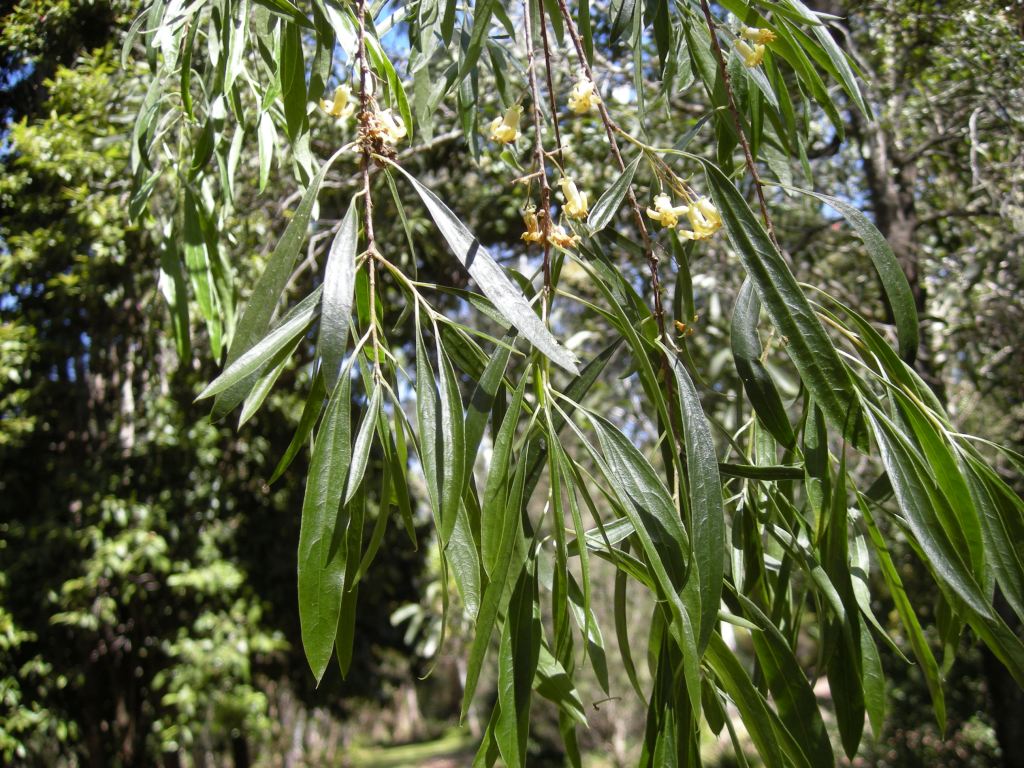
Prosopis spp. – Mesquite
Mesquite, a quintessential drought-tolerant shade tree, stands as a vital presence in arid landscapes, offering cooling respite under its graceful canopy while showcasing its remarkable ability to thrive in water-scarce conditions.
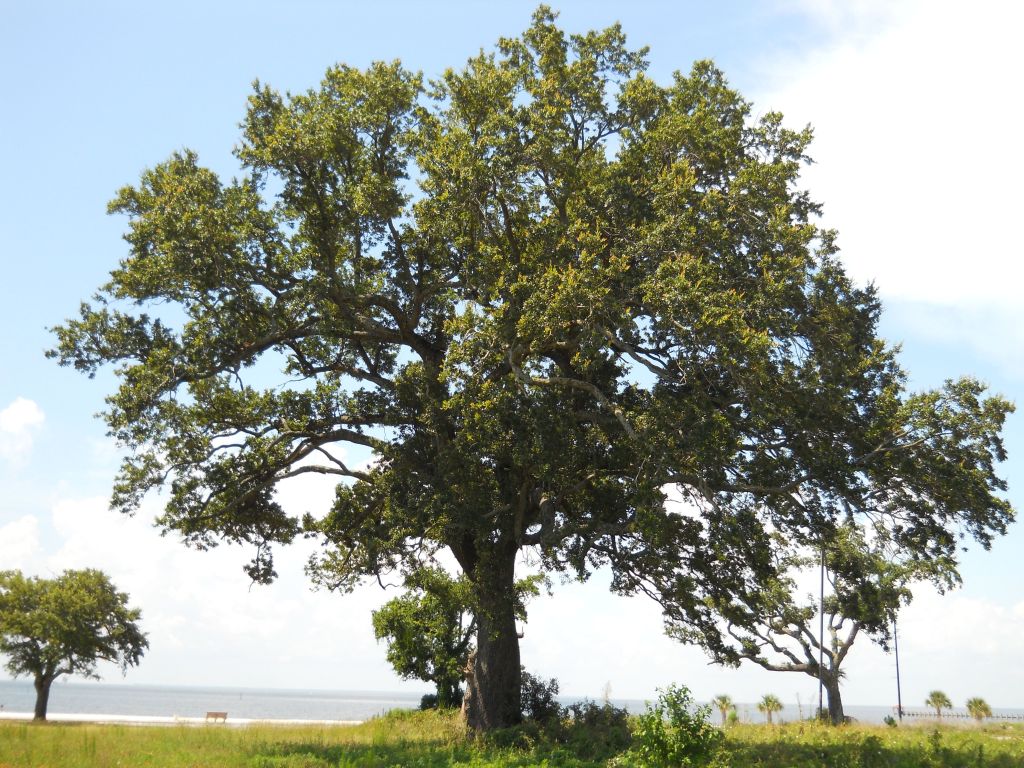
Quercus spp. – Oaks
While most people think of oaks as trees native to wet climates, where are several oak species that perform well in desert landscapes.
Rhus lancea – African Sumac
Rhus lancea, the African Sumac, graces the desert landscape with its feathery foliage and vibrant autumn hues, bringing a touch of seasonal splendor and unique character to arid environments.
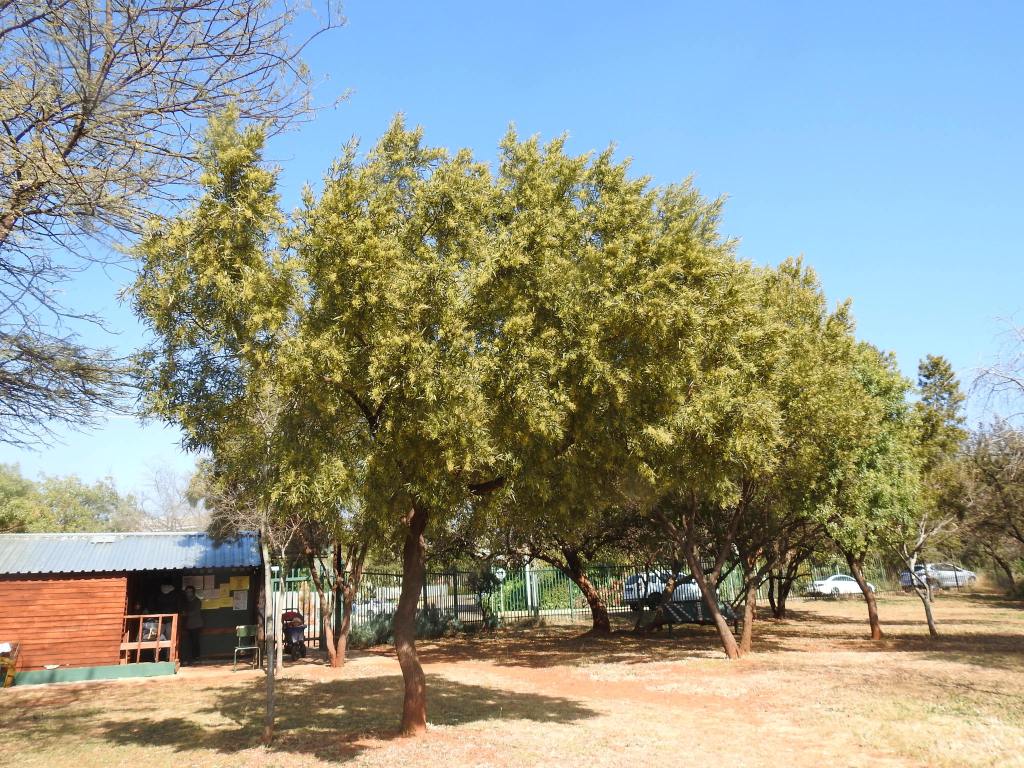
Schinus Species – Pepper Tree
Brazilian pepper (Schinus terebinthifolius) and California pepper (Schinus molle) add a touch of exotic beauty to landscapes, showcasing their vibrant red berries and feathery foliage, while highlighting the fascinating global diversity that can flourish even in the desert environment.
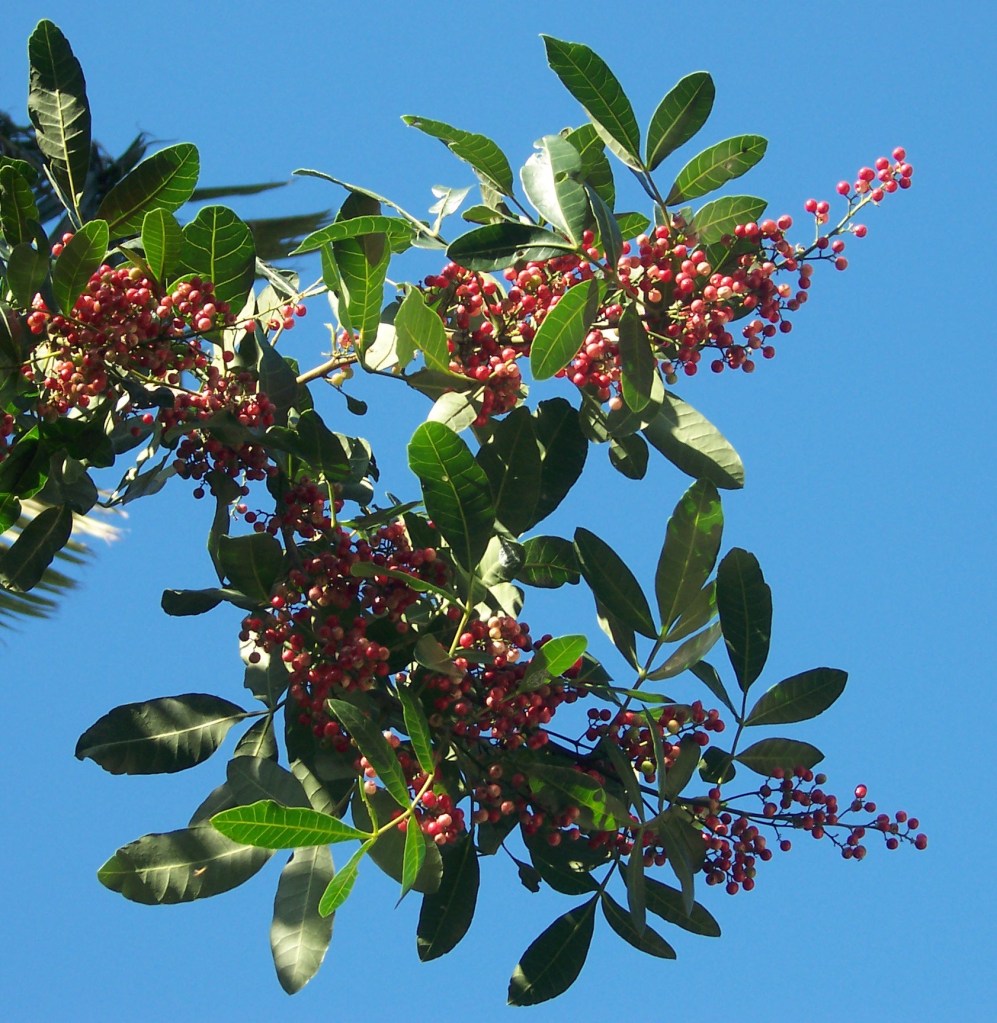
Sophora secundiflora – Texas Mountain Laurel
Sophora secundiflora, the Texas Mountain Laurel, envelops the desert landscape with its intoxicating fragrance, reminiscent of grape soda and sweet floral notes, creating an aromatic symphony that evokes a sensory oasis amidst the arid surroundings.
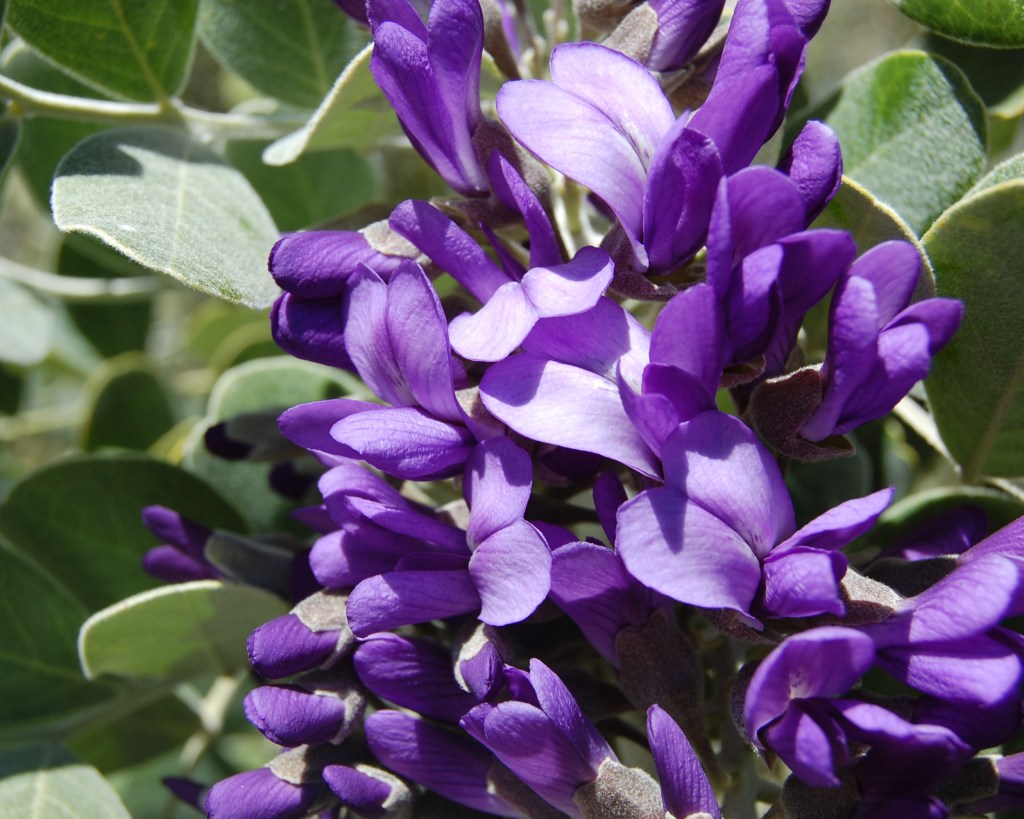
Tamarix aphylla – Athel Tamarisk
Tamarix aphylla, with its delicate pink blossoms and feathery foliage, adds a touch of ethereal charm to desert landscapes, illustrating the captivating beauty that can flourish even in the harshest of arid conditions.

Tipuana tipu – Tipu Tree
Tipuana tipu, the Tipu Tree, stands as a beacon of shade and color in the desert landscape, with its vibrant golden blooms and expansive canopy offering both respite from the sun and a visual feast for the eyes.
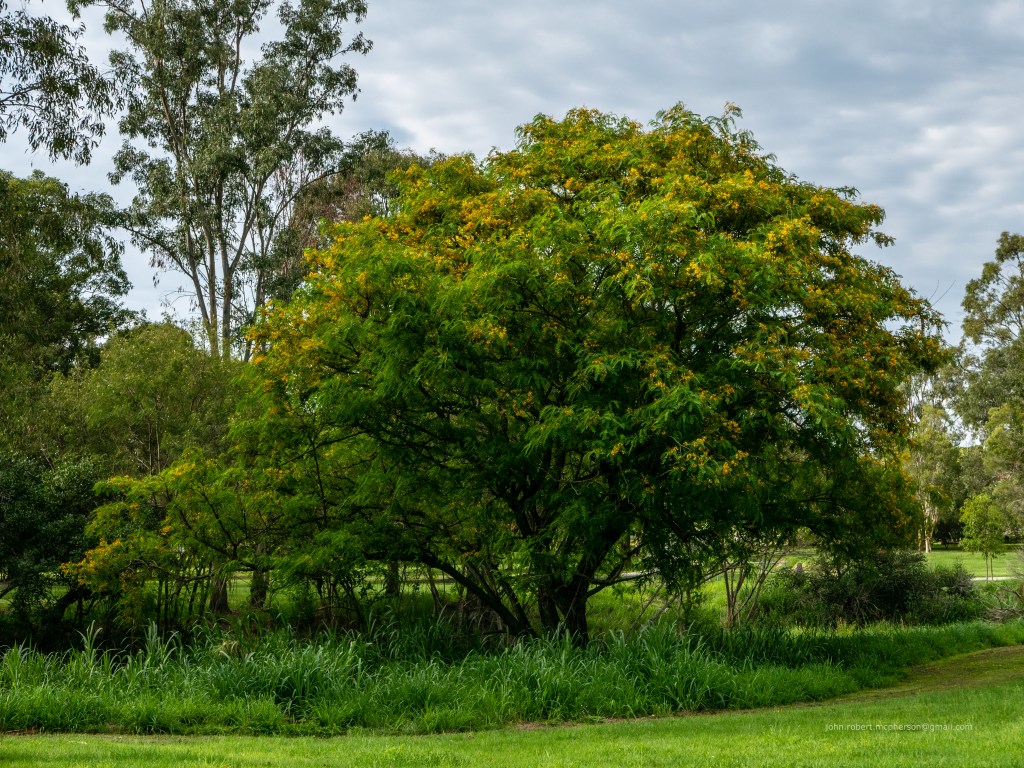
Ulmus species – Elm
Ulmus parvifolia, the Chinese Elm, graces desert landscapes with its elegant form and versatile adaptability, showcasing how nature’s beauty and resilience thrive even in the most challenging environments.
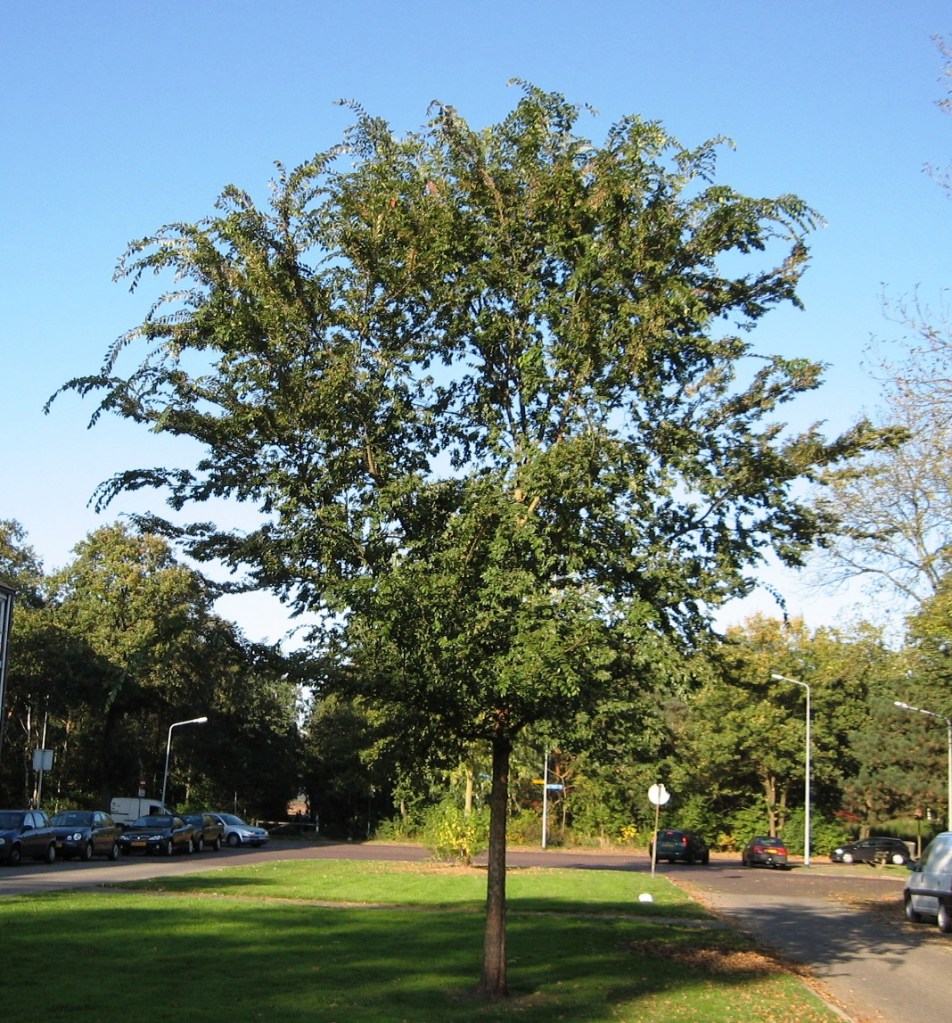
Ungnadia speciosa – Mexican Buckeye
Ungnadia speciosa, the Mexican Buckeye, enchants the desert landscape with its striking pink blooms and captivating seed pods, embodying the magic of nature’s transformations and the unexpected treasures it bestows upon arid ecosystems.

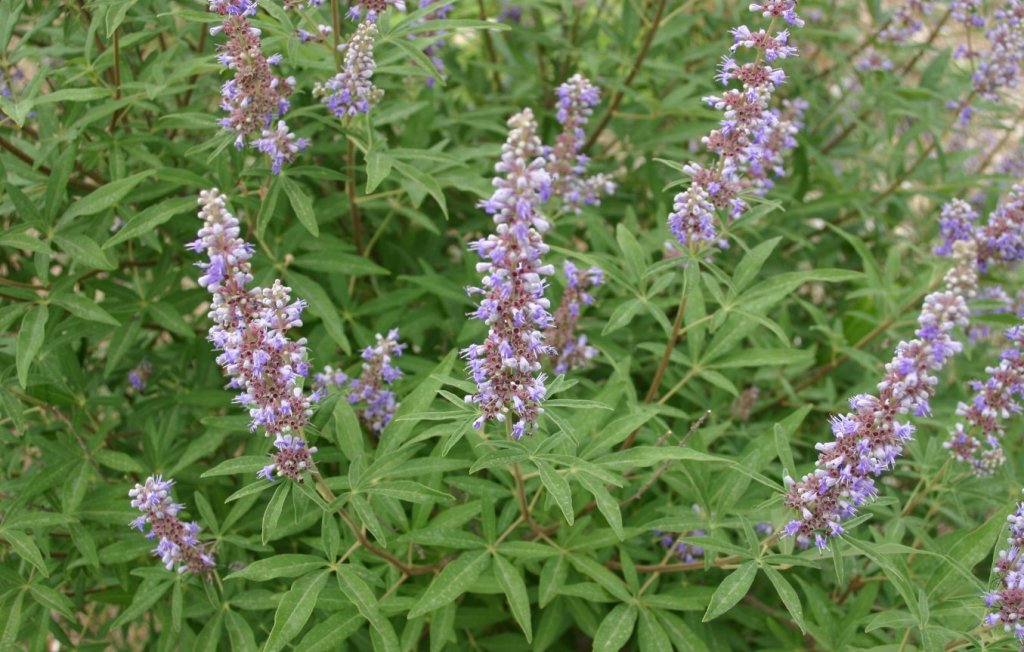
Vitex agnus-castus – Lilac Chastetree
Vitex agnus-castus, the Lilac Chastetree, graces the desert landscape with its impressive spires of delicate lilac-hued blooms, creating a visual spectacle that seems to blend seamlessly with the arid surroundings. Its distinctively fingered leaves form an elegant canopy beneath the flowering spikes, offering a captivating juxtaposition of form and color that adds a touch of enchantment to the desert environment.
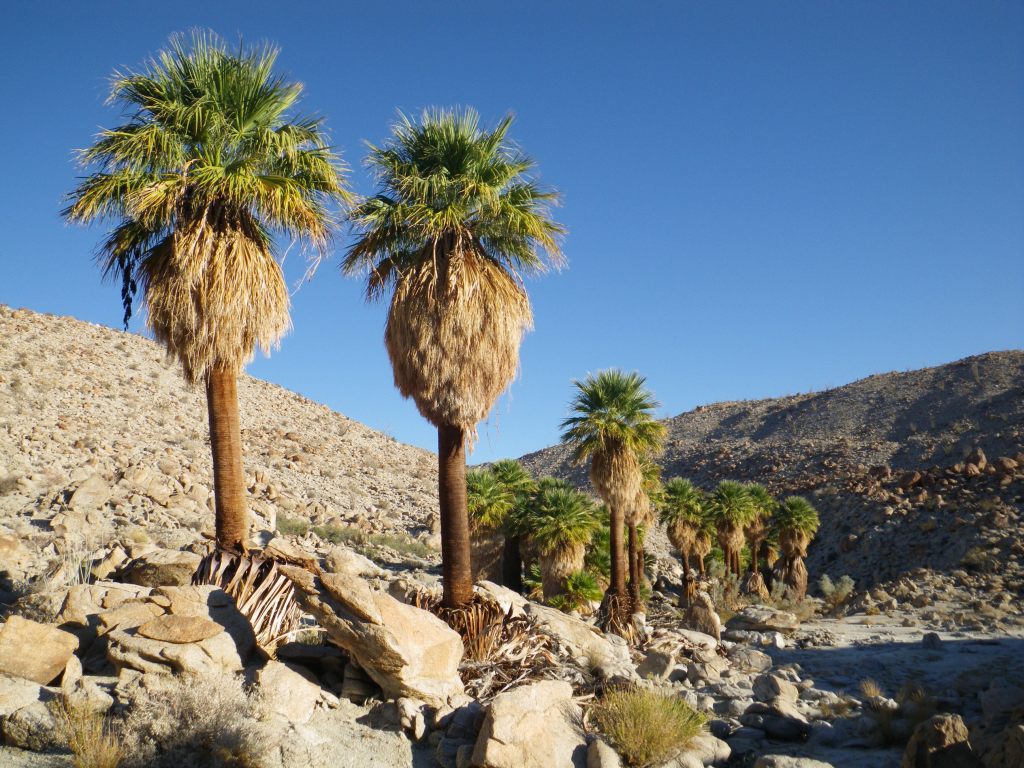
Washingtonia Species – Desert Fan Palm
Desert Fan Palms adorn arid landscapes with their iconic fronds, embodying the essence of oasis-like beauty in the desert. Remarkably, one species, Washingtonia filifera, stands as the sole native palm to both Arizona and California, symbolizing the unique connection these regions share with the natural world.
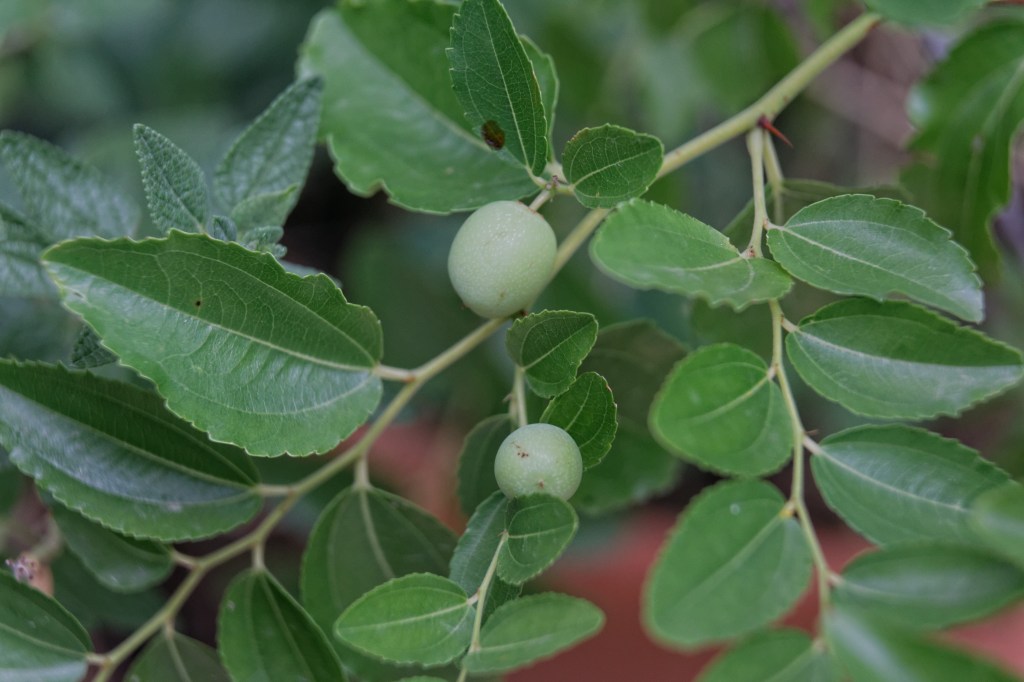
Ziziphus jujuba – Chinese Jujube
Growing Ziziphus jujuba, the Chinese Jujube, brings a host of benefits to the landscape, from its delicious and nutritious fruit to its hardy nature and drought tolerance, exemplifying how nature’s bounty and adaptability can thrive in diverse environments, including arid ones.
 Desert Gardener