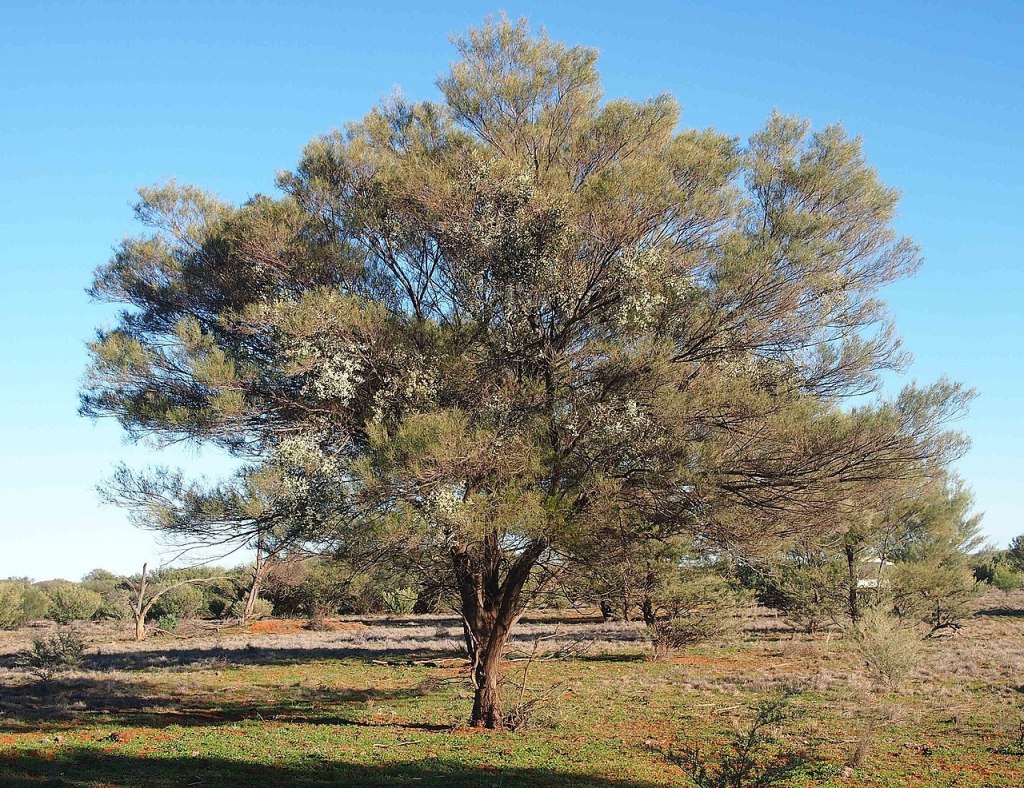
Acacias, with their graceful silhouettes and captivating blooms, are a delight in any garden. Among them, the Mulga Acacia (Acacia aneura), native to the arid landscapes of Australia, has become a favorite for many garden enthusiasts, especially those in drought-prone areas. If you’ve been enchanted by its charm and are keen on propagating it in your own space, you’re in for a treat. Growing Mulga Acacia from seed is an exciting venture, and with the right techniques, you can enjoy a healthy, thriving tree in no time.
Here’s how:
Seed Collection
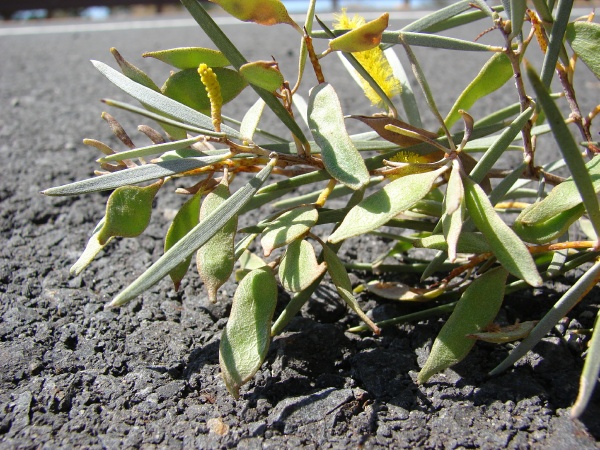
The best seeds are fresh seeds. Collect ripe seed pods directly from a healthy Mulga tree if you have access to one.
Otherwise, consider sourcing high-quality seeds from a reputable nursery or supplier.
Seed Treatment
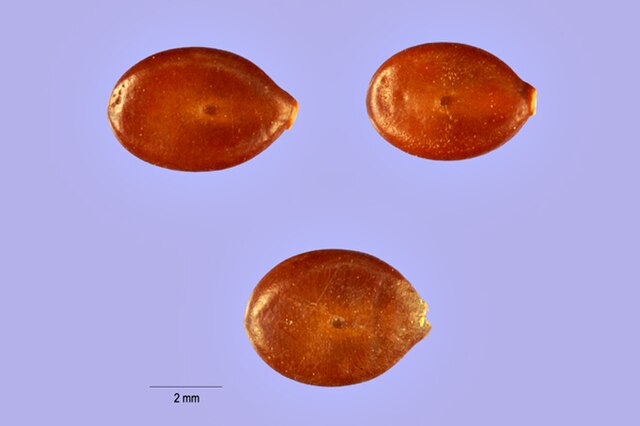
Mulga Acacia seeds have a hard seed coat which can inhibit germination.
Here’s how to overcome this:
Scarification: This involves weakening, opening, or otherwise altering the seed coat to encourage germination. You can:
- Gently nick the seed coat using a knife or file, ensuring you don’t damage the inner seed.
- Alternatively, rub seeds between two pieces of sandpaper.
Hot Water Treatment:
- Boil water and let it cool for a minute. Pour the hot water over the seeds, ensuring they’re submerged.
- Let them soak overnight. By morning, swollen seeds indicate they’re ready for planting. Those that haven’t swollen can undergo scarification and be soaked again.
Sowing the Seeds
Soil Preparation: Use a seed-raising mix or make your own with equal parts of sand, peat moss, and perlite. Ensure the mix is well-draining.

Planting: Sow seeds about 1/4 inch deep in pots or seed trays. Lightly cover them with the soil mix. Mulga Acacia (Acacia aneura) seeds typically begin to germinate within a few days to a few weeks after sowing, provided they’ve undergone proper pretreatment (such as scarification or hot water soaking) and are given the right conditions (warm temperatures and consistent moisture). However, the exact germination time can vary based on factors like seed quality, age, and environmental conditions.
It’s essential to ensure the seeds have been pretreated to break their dormancy, as the hard seed coat of many Acacia species can inhibit water uptake and delay or prevent germination. If you’ve properly pretreated the seeds and provided the right conditions, you should expect to see sprouts within the 1-3 week range. Always monitor the moisture levels in the soil during this period, ensuring that it remains consistently moist but not waterlogged.
Watering
Keep the soil consistently moist but not soggy. A spray bottle can be handy to mist the surface without overwatering.
Provide Optimal Conditions
Temperature: Mulga Acacia seeds prefer warm temperatures to germinate. Maintain a temperature between 70-75°F (21-24°C).
Light: Place the pots in a location that receives bright, indirect light.
Germination: With the right conditions, seeds should begin to sprout in a few weeks.
Transplanting Seedlings
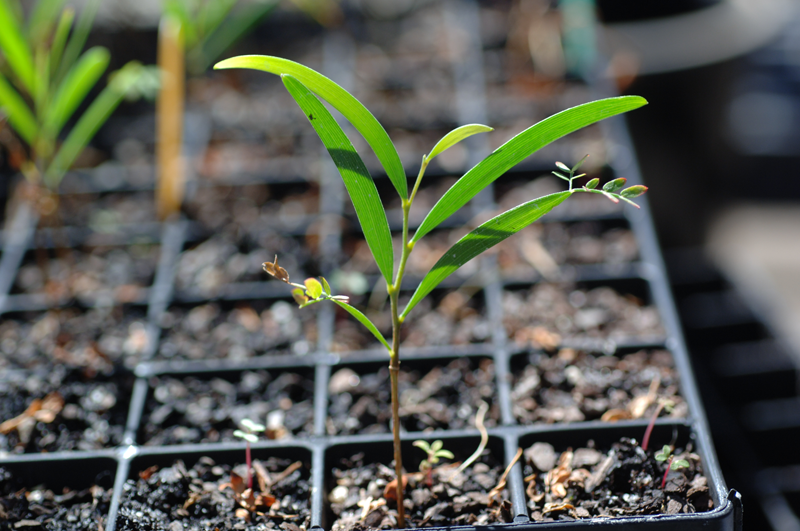
- Once the seedlings have grown a couple of inches tall and developed a few true leaves, they’re ready to be transplanted.
- Gently remove them from their initial pots, taking care not to damage the tender roots.
- Transplant them into larger pots or directly into the ground if the climate permits.
Ongoing Care
Ensure young plants are watered regularly but avoid waterlogging the soil. As they mature and establish their roots, Mulga Acacias become drought-tolerant. Protect young plants from extreme temperatures, strong winds, or frost.
Mulga Acacia (Acacia aneura) seedlings, like many desert-adapted plants, can start off slowly but pick up the pace as they become more established. Their growth rate is influenced by factors like soil quality, water availability, sunlight, and general care.
Here’s a rough breakdown of the growth rate for Mulga Acacia seedlings:
Initial Stages (First Few Months): After germination, the seedlings will spend a considerable amount of energy establishing their root system. Above ground, you might see slower vertical growth—possibly a few inches to a foot in the first year, depending on conditions.
Intermediate Growth (1-3 Years): As the root system becomes well-established, the seedlings will begin to grow more rapidly. In optimal conditions, you might see growth rates of 1 to 2 feet (30 to 60 cm) per year during this phase.
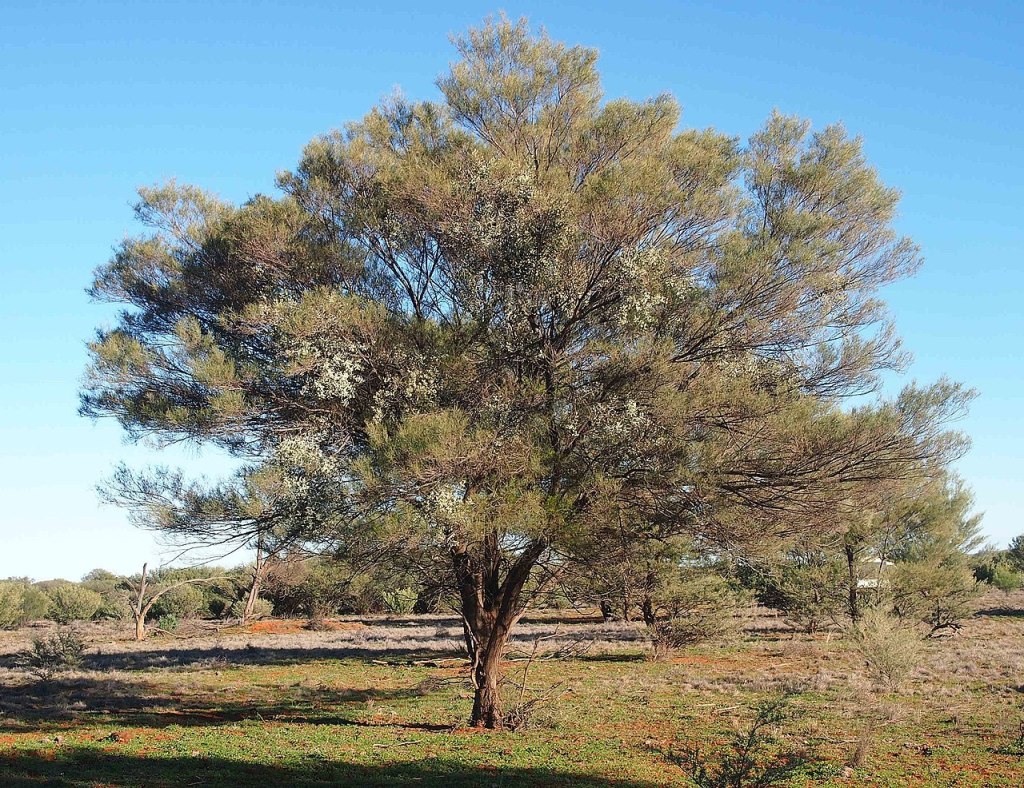
Mature Growth (3+ Years): Once the Mulga Acacia reaches maturity, its annual growth rate might slow down, but by this time, the tree will have a substantial presence in the landscape. Mature Mulga trees can reach heights of 15-30 feet (4.5-9 meters) over their lifespan.
For the best growth rates:
Water: Ensure regular watering in the early stages. Although they’re drought-tolerant when mature, young Mulga seedlings benefit from consistent moisture. However, avoid waterlogged conditions, as this can lead to root rot.
Soil: Plant them in well-draining soil. While they can tolerate a variety of soil types, they thrive best in slightly acidic to neutral pH levels.
Sunlight: Provide full sun. These seedlings, native to arid environments, flourish under ample sunlight.
Remember, like all plants, the growth rate of Mulga Acacia seedlings can vary based on individual circumstances. With proper care, you’ll have a strong and resilient tree that will be a captivating presence in your landscape for years to come.
Final Thoughts
Propagating the Mulga Acacia from seed immerses one into the heart of desert botany, celebrating the intricate dance of life and the resilient spirit of arid landscapes. Beyond the joy of witnessing a seed’s transformation into a thriving tree, this endeavor allows gardeners to form a profound connection with the wonders of nature, particularly the Mulga’s deep roots in Australian desert life and its ability to flourish amidst adversity. As you journey through this propagation process, remember, it’s more than just nurturing a tree—it’s an intimate participation in the miraculous rhythm of life. Every glance at your growing Mulga Acacia will be a reminder of this adventure, from its humble seed beginnings to its stature as a symbol of endurance and grace. So embrace this rewarding endeavor; a majestic, graceful resident is poised to adorn your garden.
- Incorporating River Rock and Gravel in Desert Landscape Designs for the Southwest
- The Native Habitat of Acacia aneura: A Deep Dive into the Australian Desert
- How to Propagate Mulga Acacia (Acacia aneura) from Seed
- Growing the Mulga Trees (Acacia aneura) in Phoenix, Arizona
- Phoenix Landscape Maintenance


 Desert Gardener
Leave a comment